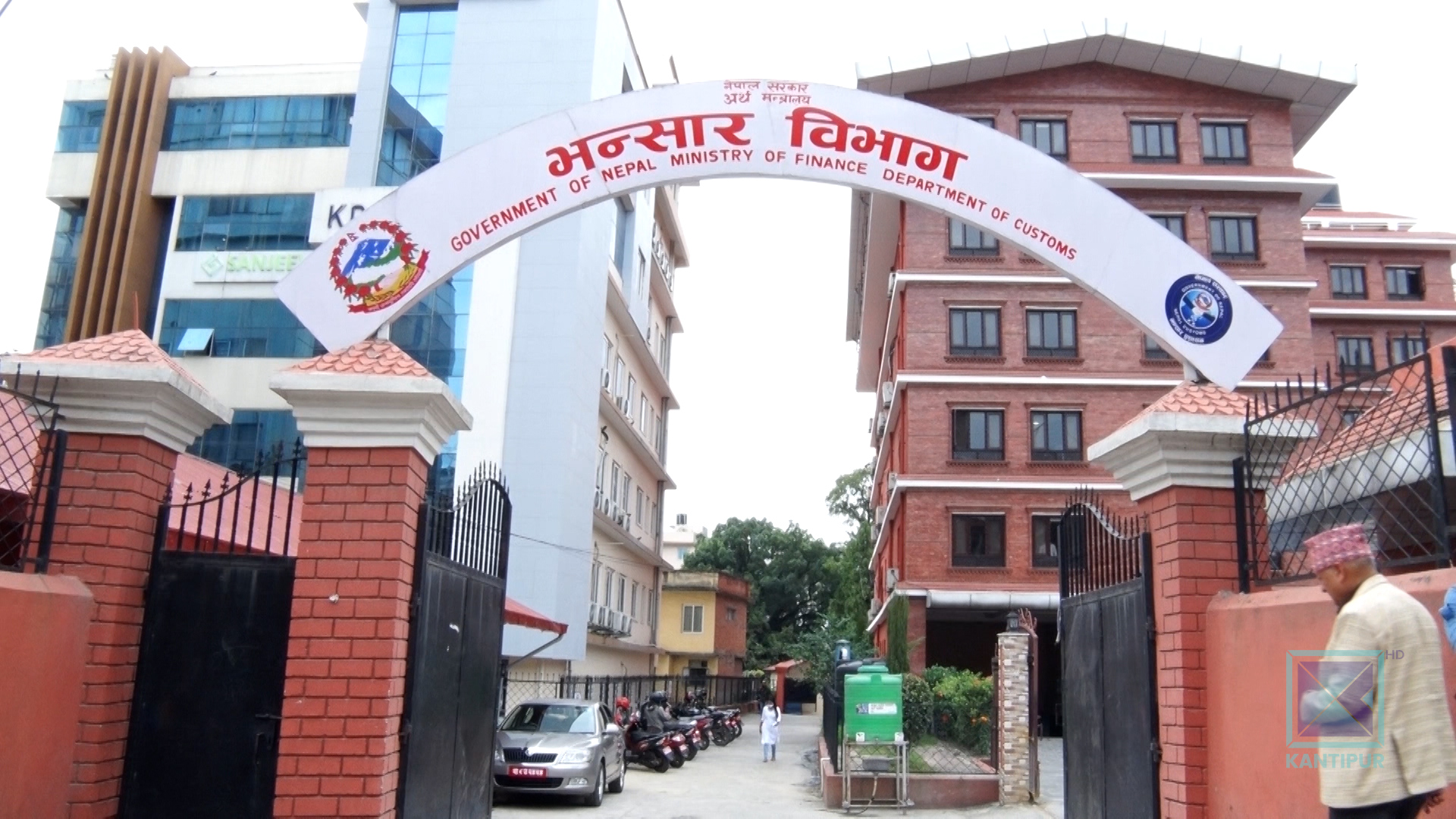
काठमाडौं । अन्तर्राष्ट्रिय व्यापारलाई थप सहज, पारदर्शी र लागत–कुशल बनाउने उद्देश्यसहित भन्सार विभागले देशभरका सबै भन्सार कार्यालयमा डाटाबेस–आधारित अनलाइन भन्सार मूल्यांकन प्रणाली लागू गरेको छ। शुक्रबारदेखि औपचारिक रूपमा सुरु गरिएको यो प्रणाली अब सबै भन्सार कार्यालयमा अनिवार्य गरिएको विभागले जनाएको छ।
काठमाडौंमा शुक्रबार सुरु भएको भन्सार व्यवस्थापन गोष्ठीका अवसरमा रामेश्वर खनालले भर्चुअल माध्यमबाट बाँकी रहेका १८ वटा भन्सार कार्यालयमा प्रणालीको उद्घाटन गरेका हुन्। अर्थमन्त्री खनालको निर्देशनमा यस प्रणालीको परीक्षण यसअघि विराटनगर भन्सार कार्यालयबाट सुरु गरिएको थियो भने मुलुककै सबैभन्दा ठूलो भन्सारका रूपमा रहेको वीरगञ्ज भन्सारमा पनि यसअघि नै कार्यान्वयन भइसकेको थियो।
के हो डाटाबेस–आधारित भन्सार मूल्यांकन प्रणाली?
भन्सार मूल्यांकन भनेको आयात हुने वस्तुको मूल्य निर्धारण गरी त्यसमा लाग्ने कर र महसुल तय गर्ने प्रक्रिया हो। विगतमा नेपालमा सन्दर्भ मूल्यांकन प्रणाली प्रयोग हुँदै आएको थियो, जसमा वस्तुको मूल्य तत्काल अद्यावधिक नहुनु र बजार मूल्य छोटो समयमा परिवर्तन भइरहँदा व्यवहारिक समस्या देखिने गरेको थियो। यसका कारण कहिलेकाहीँ वास्तविक खरिद मूल्यभन्दा बढी कर तिर्नुपर्ने वा कम मूल्य देखाएर भन्सार छली हुने अवस्था सिर्जना हुने गरेको थियो।
नयाँ अनलाइन भन्सार मूल्यांकन डाटाबेस प्रणाली भने विश्व व्यापार संगठन (WTO)को General Agreement on Tariffs and Trade (GATT) मूल्यांकन सिद्धान्तमा आधारित रहेको छ। यस प्रणालीमा सन्दर्भ मूल्यको सट्टा कारोबार मूल्यलाई मुख्य आधार मानिन्छ। व्यवसायीले वस्तु जति मूल्यमा खरिद गरेको हो, भन्सार प्रयोजनका लागि सोही मूल्य स्वीकार गरिनेछ।
भन्सार छली रोक्नका लागि विश्व बजार मूल्य र अघिल्ला कारोबारहरूको तथ्यांक डाटाबेसमा सुरक्षित गरिन्छ। यदि कुनै व्यवसायीले वस्तुको मूल्य अस्वाभाविक रूपमा कम देखाएमा प्रणालीमा उपलब्ध तथ्यांकसँग तुलना गरेर वास्तविक मूल्य पत्ता लगाउन सकिने व्यवस्था गरिएको छ।
पारदर्शिता र सहजीकरणमा जोड
सबै प्रक्रिया अनलाइनमार्फत हुने भएकाले भन्सार जाँचपासमा हुने ढिलासुस्ती कम हुने, कर्मचारीको स्वविवेकीय अधिकार सीमित हुने र प्रणालीमा आधारित वैज्ञानिक मूल्यांकन प्रवर्द्धन हुने भन्सार विभागले जनाएको छ। नेपालमा २०५५ सालदेखि लागू हुँदै आएको सन्दर्भ मूल्यांकन प्रणाली नयाँ व्यवस्थासँगै २७ वर्षपछि पूर्ण रूपमा अन्त्य भएको हो।
अर्थमन्त्री खनालले लामो प्रयासपछि भन्सारमा ग्याट मूल्यांकन प्रणाली पूर्ण रूपमा लागू हुनु ऐतिहासिक उपलब्धि भएको बताउँदै अब व्यवसायीहरू नक्कली बिल–बिजक प्रयोग गर्नुपर्ने बाध्यता अन्त्य भएको उल्लेख गरे। उनले आगामी दिनमा भन्सार प्रशासनलाई उत्पादन र निर्यातमुखी अर्थतन्त्र निर्माणको मेरुदण्डका रूपमा विकास गर्ने लक्ष्य रहेको पनि बताए।
निजी क्षेत्रको स्वागत, सुधारका सुझाव
भन्सार विभागका महानिर्देशक श्यामप्रसाद भण्डारीले नयाँ प्रणालीले व्यापार सहजीकरण मात्र नभई राजस्व संकलनमा समेत शुद्धता ल्याउने विश्वास व्यक्त गरे। प्रविधिको प्रयोगसँगै भन्सार प्रशासन थप व्यावसायिक र वैज्ञानिक बन्ने उनको भनाइ छ।
निजी क्षेत्रले पनि यो प्रणालीको स्वागत गरेका छन्। नेपाल उद्योग वाणिज्य महासंघ, नेपाल चेम्बर अफ कमर्स र नेपाल उद्योग परिसंघका प्रतिनिधिहरूले प्रणालीको प्रशंसा गरेका छन्। यद्यपि, उनीहरूले भन्सार ऐनमा रहेका केही दण्ड र जरिवानाका प्रावधान व्यावहारिक नभएको भन्दै पुनरावलोकन गर्न माग गरेका छन्। साथै, चोरी पैठारी नियन्त्रण र स्वदेशी उद्योग प्रवर्द्धन गर्ने स्पष्ट नीति ल्याउन सरकारलाई सुझाव दिएका छन्।