Energy Sector
Devastating Floods Deal a Massive Blow to the Energy Sector: Over 1,000 MW Disconnected from the Grid
In response to the crisis, authorities have expedited recovery efforts. Technical teams have already been mobilized to the affected sites to restore the power supply at the earliest. However, the mission is fraught with logistical nightmares. With the continuous downpour and landslides severely damaging road networks across the region, transporting the necessary heavy machinery, replacement parts, and manpower to the treacherous terrains to rebuild the fallen towers remains a formidable challenge for the restoration crews.
Dipesh Ghimire
2 min read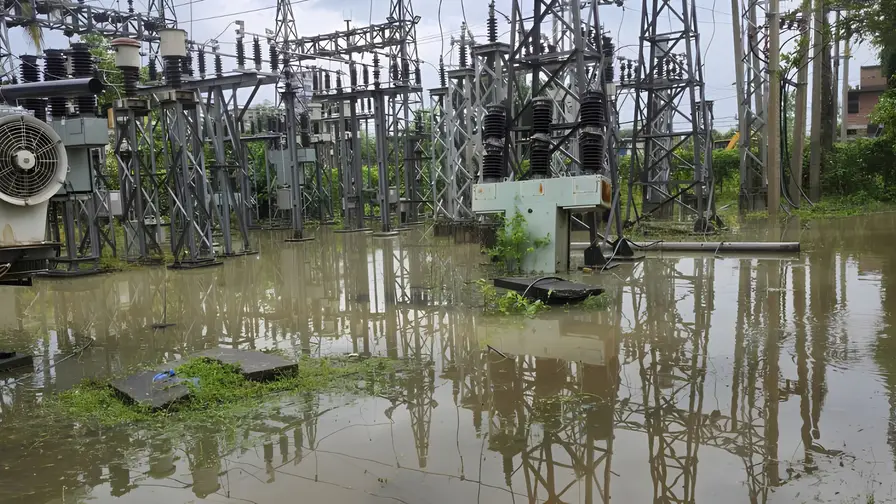
Incessant rainfall triggering severe floods and landslides has precipitated a grave crisis in Nepal's energy sector. Major river basins—specifically the Kaligandaki, Marsyangdi, and Seti-Madi corridors—have been battered by the natural disaster, leading to a sudden and massive disruption of 1,013.2 megawatts (MW) of electricity from the national transmission grid. The widespread impact on both generation and transmission infrastructure has resulted in an unprecedented disruption of the country's power supply.
A closer analysis of the disruption reveals two primary factors behind the blackout: structural devastation and precautionary halts. Of the total disconnected power, the supply of 318 MW has been completely paralyzed due to the collapse of crucial transmission line towers. This represents a long-term structural setback that will require significant time and resources to restore. On the other hand, hydropower projects with a combined capacity of 695.2 MW have been proactively shut down as a safety measure. With river water levels surging and carrying hazardous amounts of silt, mud, and debris, project operators halted generation to prevent irreversible damage to costly electromechanical equipment, particularly turbines.
The implications of this data spell deep trouble for both the domestic energy distribution system and the broader economy. Losing over a thousand megawatts means a significant portion of the country's total installed capacity is currently out of service. While the 695 MW of cautiously halted projects will gradually resume operations once the water and silt levels recede, providing some relief to the grid, the 318 MW lost to tower collapses will take substantial time to reintegrate. This structural deficit poses a major challenge for domestic demand management, raising fears of undeclared load-shedding in certain areas, while simultaneously putting a heavy dent in the country's lucrative electricity exports to India.
In response to the crisis, authorities have expedited recovery efforts. Technical teams have already been mobilized to the affected sites to restore the power supply at the earliest. However, the mission is fraught with logistical nightmares. With the continuous downpour and landslides severely damaging road networks across the region, transporting the necessary heavy machinery, replacement parts, and manpower to the treacherous terrains to rebuild the fallen towers remains a formidable challenge for the restoration crews.
Advertisement
Written by
Dipesh Ghimire