Mid-Chameliya Hydropower
Mid-Chameliya Hydropower Project Moves Closer to Construction with Rs 6.23 Billion Investment
Once completed, Mid-Chameliya will add 28.30 MW to Nepal's electricity system and could contribute more than 185 GWh of energy annually. More importantly, the project illustrates the continuing expansion of hydropower investment beyond Nepal's traditional development centres into the country's far-western river basins.
Dipesh Ghimire
3 min read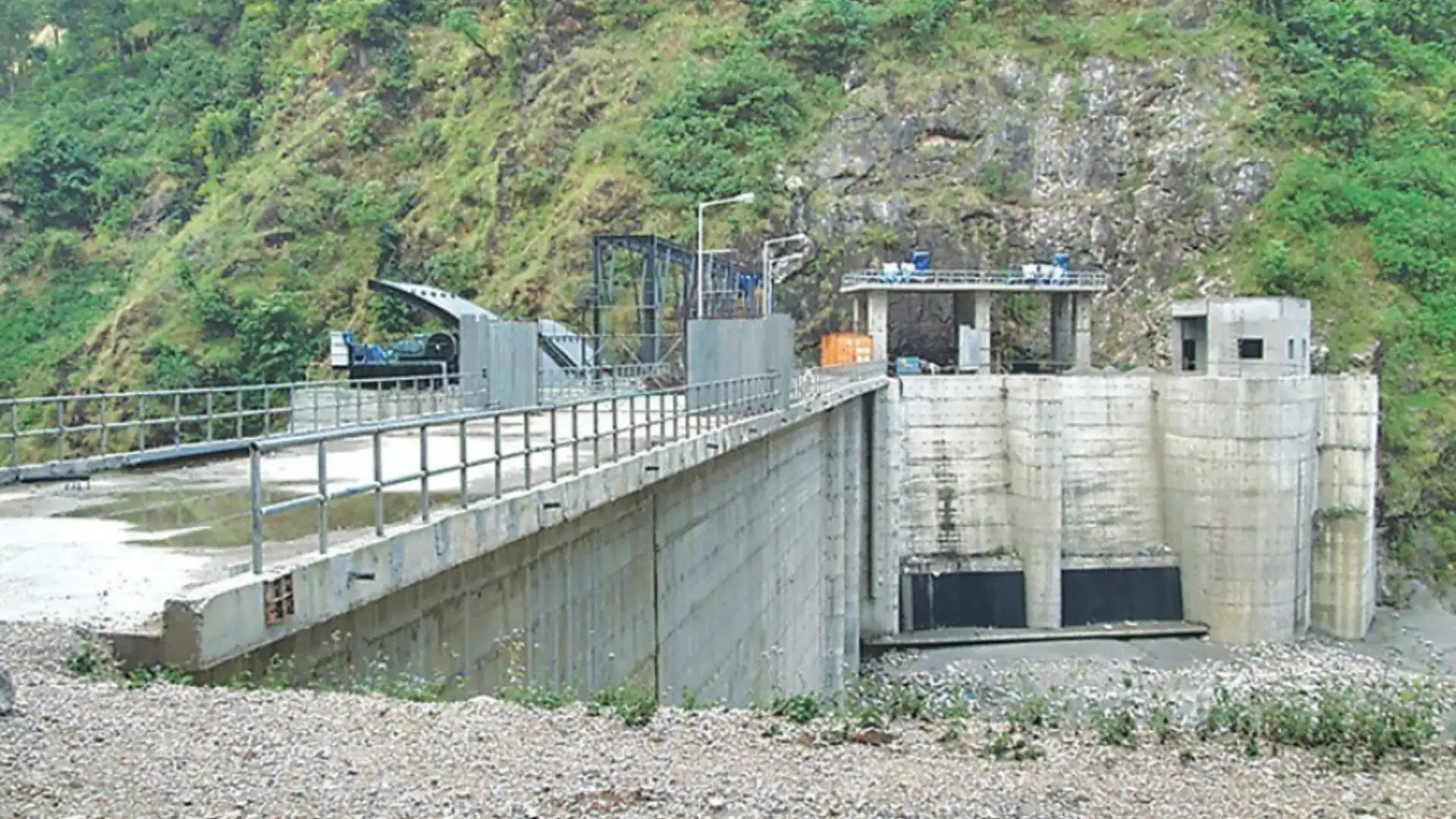
Kathmandu — A 28.30-megawatt hydropower project planned on the Chameliya River in Darchula is moving closer to construction after securing key regulatory, power-purchase and financing approvals.
The Mid-Chameliya Hydropower Project, promoted by Darchula Power Company, will be developed in Marma Rural Municipality of Sudurpaschim Province. The project area falls within the Api Nampa Conservation Area, making environmental compliance an important part of its development process.
Designed as a run-of-river project, Mid-Chameliya received its electricity generation licence from the Department of Electricity Development on March 26, 2025. The project had already secured approval for its original Environmental Impact Assessment on March 20, 2024.
However, subsequent changes in the project design and relocation of some structures have required additional environmental assessment. The government has therefore moved ahead with a supplementary Environmental Impact Assessment to examine whether the revised layout could create new environmental impacts, particularly because the project lies inside a protected conservation area.
The project has also crossed two major commercial milestones. Nepal Electricity Authority and the developer signed a Power Purchase Agreement on October 16, 2023, while financial closure was completed on June 4, 2025. Completion of financing indicates that the developer has arranged the funding required to proceed with implementation, although actual construction will still depend on completing the remaining regulatory and site-related requirements.
The project is expected to generate 185.62 gigawatt-hours of electricity annually. Of the total projected generation, 118.52 GWh, or nearly 64 percent, will be produced during the wet season. The remaining 67.10 GWh, or about 36 percent, is expected during the dry season.
The generation figures suggest a comparatively high utilisation of the project's installed capacity. Based on the projected annual output, Mid-Chameliya would have an implied plant capacity factor of roughly 75 percent. For a run-of-river plant, this indicates that the project expects relatively strong river flows and electricity generation across much of the year.
The relatively substantial dry-season contribution is also significant for Nepal's power system. Run-of-river projects generally produce considerably more electricity during the monsoon months, while generation falls in winter as river flows decline. Mid-Chameliya's projected dry-season output of 67.10 GWh could therefore add useful energy during the period when domestic hydropower production is usually weaker.
The project has an estimated investment requirement of Rs 6.24 billion. This translates into an approximate development cost of Rs 220 million per megawatt of installed capacity. The figure provides an indication of the scale of investment needed for hydropower development in remote mountain areas, where access roads, transmission connections, geological conditions and environmental safeguards can significantly influence costs.
Electricity generated by the project will be evacuated through the Balach substation and connected to the national grid. The availability of an identified grid connection is important because delays in transmission infrastructure have previously affected the commercial operation of several hydropower projects in Nepal.
Mid-Chameliya will also become part of an emerging hydropower corridor along the Chameliya River. The 40 MW Upper Chameliya Hydropower Project lies upstream, while the 30 MW Chameliya Hydropower Project is operating downstream. The addition of another 28.30 MW project would increase the combined installed capacity of these three projects along the river to about 98.30 MW.
The project site is around 30 kilometres northwest of Gokuleshwar. Its location between existing upstream and downstream hydropower developments could offer advantages in terms of infrastructure and grid integration, although the concentration of multiple projects on the same river system also increases the importance of cumulative environmental and water-flow assessment.
The developer has targeted completion within three years. With the generation licence, PPA and financial closure already in place, the supplementary environmental assessment now represents an important step before full-scale construction advances.
Once completed, Mid-Chameliya will add 28.30 MW to Nepal's electricity system and could contribute more than 185 GWh of energy annually. More importantly, the project illustrates the continuing expansion of hydropower investment beyond Nepal's traditional development centres into the country's far-western river basins.
Advertisement
Written by
Dipesh Ghimire