Top2 min readNepal Premier League: A New Era of Cricket and Corporate SynergyNepal Premier League: A New Era of Cricket and Corporate Synergy Nepal's cricketing landscape has entered an unprecedented phase with the launch of the Nepal Premier League (NPL). A nation once struggling with basic cricketing infrastructure is now hosting a world-class franchise league, complete with international stars, state-of-the-art facilities, and robust corporate backing. This development is not just a leap for Nepali cricket but also a testament to the sport's growing commercial and cultural significance.Dipesh Ghimire·1 Dec, 2024
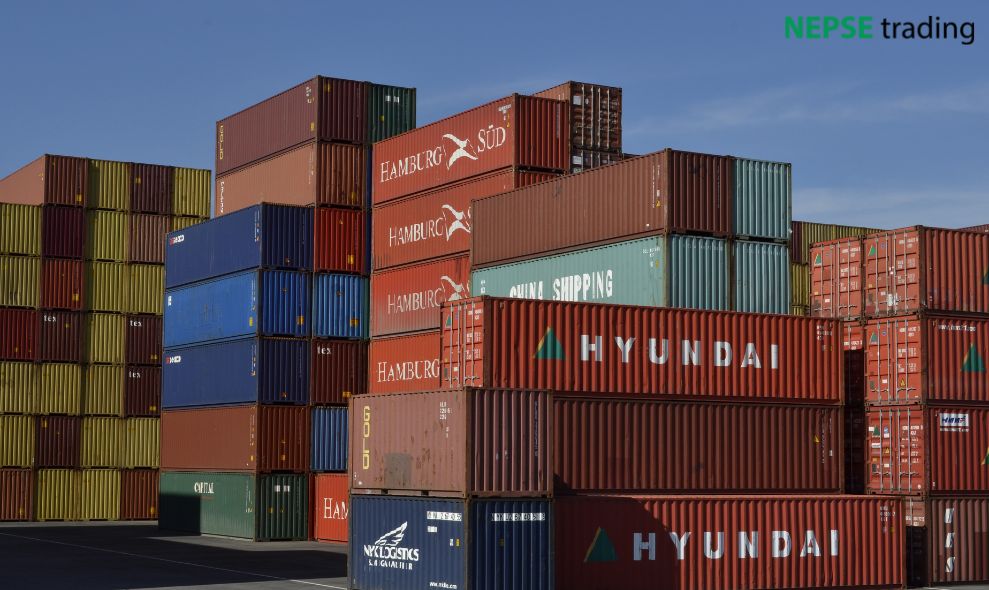
Top2 min readCustoms Revenue in Nepal Faces Steep Decline Amid Rising Smuggling and Systemic LeakageCustoms Revenue in Nepal Faces Steep Decline Amid Rising Smuggling and Systemic Leakage Nepal, a landlocked country dependent on imports and exports through its southern borders, is grappling with a severe decline in customs revenue. Despite ambitious targets, customs offices across the country have consistently fallen short, with the fiscal year 2080/81 witnessing a revenue deficit of NPR 180 billion against a target of NPR 600 billion. This shortfall, accounting for a 30-35% gap, reflects deep-rooted inefficiencies and systemic corruption in the revenue collection process.Dipesh Ghimire·1 Dec, 2024
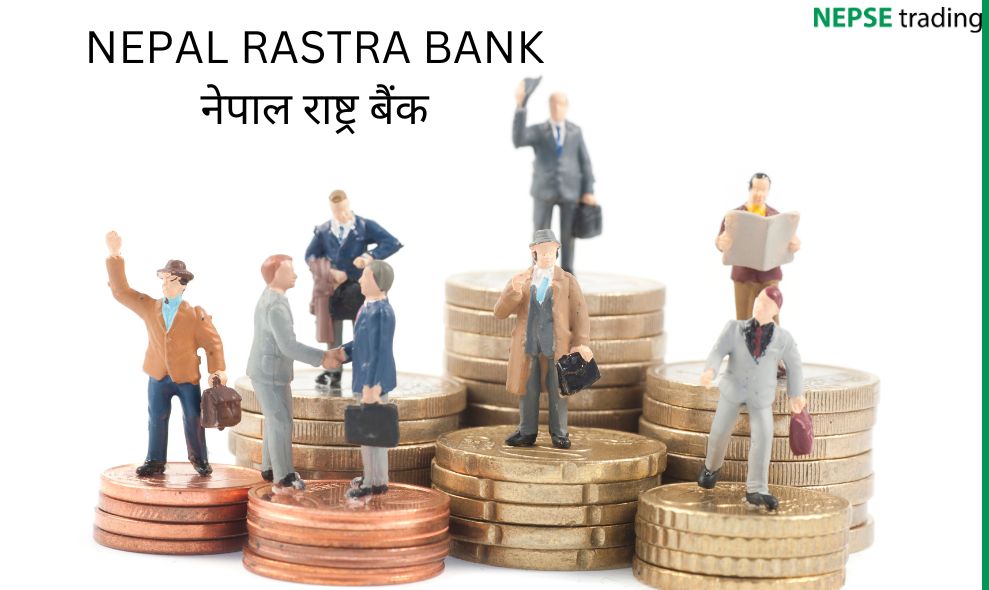
Top5 min readNepal's First Quarterly Review of Monetary Policy for FY 2081/82: Key Insights and ImplicationsNepal's First Quarterly Review of Monetary Policy for FY 2081/82: Key Insights and Implications Kathmandu, The Nepal Rastra Bank (NRB) recently published the first quarterly review of its monetary policy for FY 2081/82, shedding light on the state of the economy, inflationary trends, foreign exchange reserves, and financial sector developments. The review evaluates the policy's implementation over the initial three months, assessing domestic and international economic conditions. This detailed analysis interprets the data and evaluates the potential impacts of the NRB's policy decisions.Dipesh Ghimire·29 Nov, 2024
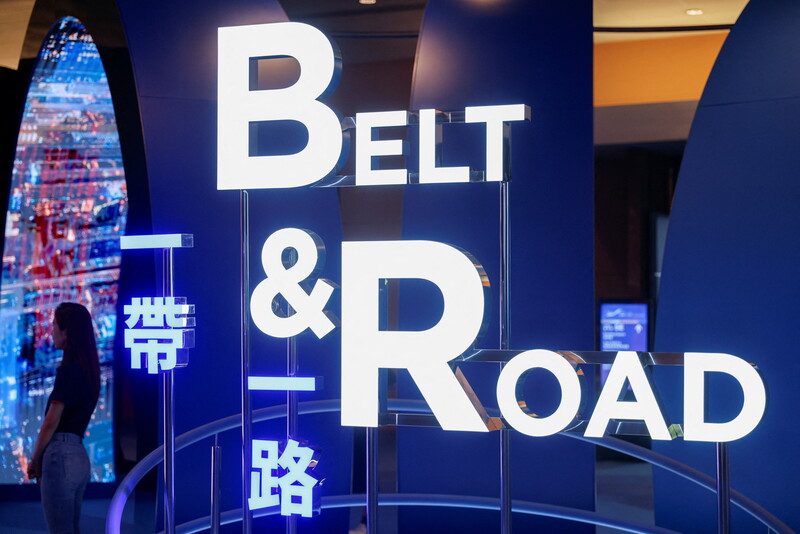
Top4 min readWhat is the Belt and Road Initiative (BRI)?What is the Belt and Road Initiative (BRI)? The Belt and Road Initiative (BRI), also known as the "One Belt, One Road" (OBOR), is a global development strategy introduced by China in 2013 under the leadership of President Xi Jinping. It aims to enhance global trade and stimulate economic growth across Asia, Africa, Europe, and beyond through the development of infrastructure and investment projects. Often referred to as the "New Silk Road," the BRI is one of the most ambitious international projects ever undertaken, with its scope spanning over 150 countries and territories.Dipesh Ghimire·29 Nov, 2024
Popular News2 min readNepal Rastra Bank to Release First Quarterly Review Amid Credit Demand ChallengesNepal Rastra Bank to Release First Quarterly Review Amid Credit Demand Challenges Kathmandu – Nepal Rastra Bank (NRB) is set to release the first quarterly review of its Monetary Policy for fiscal year 2081/82 by this Friday, amidst a mixed economic environment of declining interest rates but stagnant credit demand. According to sources within NRB, the review draft is in its final stages. "Preparations are ongoing, and we will release the policy by Friday as mandated," a senior official stated.Dipesh Ghimire·27 Nov, 2024
Top3 min readYouth Migration and Domestic PotentialYouth Migration and Domestic Potential Nepal, a beautiful landlocked country nestled between China and India, has undergone significant demographic transformations in recent decades. A crucial part of this change is youth migration. Due to economic challenges, limited job opportunities, and aspirations for a better life, Nepal’s youth population increasingly seeks opportunities abroad. However, this migration comes at a substantial cost, impacting not just the economy but also the social fabric of the country. Amid this exodus of young talent, Nepal holds immense untapped potential that, if harnessed effectively, could transform the nation's economic landscape. This discussion explores the reasons behind youth migration, its economic and social impacts, and the untapped opportunities within the country. By addressing these factors, Nepal can create sustainable development and economic prosperity while retaining its youth population.Dipesh Ghimire·24 Nov, 2024
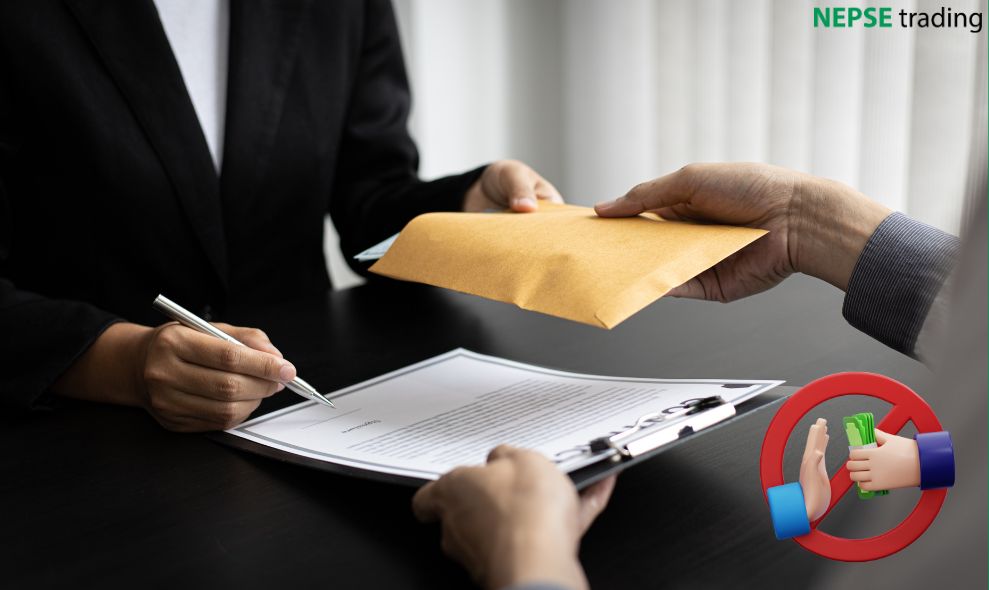
Top3 min readWhy is Corruption Rampant ?Why is Corruption Rampant? Kathmandu: Political instability and frequent changes in the government of Nepal have significantly contributed to corruption. Leadership transitions often involve substantial financial dealings, and there is usually a lack of policy continuity and reforms. Political parties, factions, and individual politicians often misuse state resources for personal and party gains. Nepali politics is heavily influenced by patronage networks, where political parties distribute positions, contracts, and public resources to loyal supporters and financiers. This fosters an environment conducive to corruption.Dipesh Ghimire·24 Nov, 2024
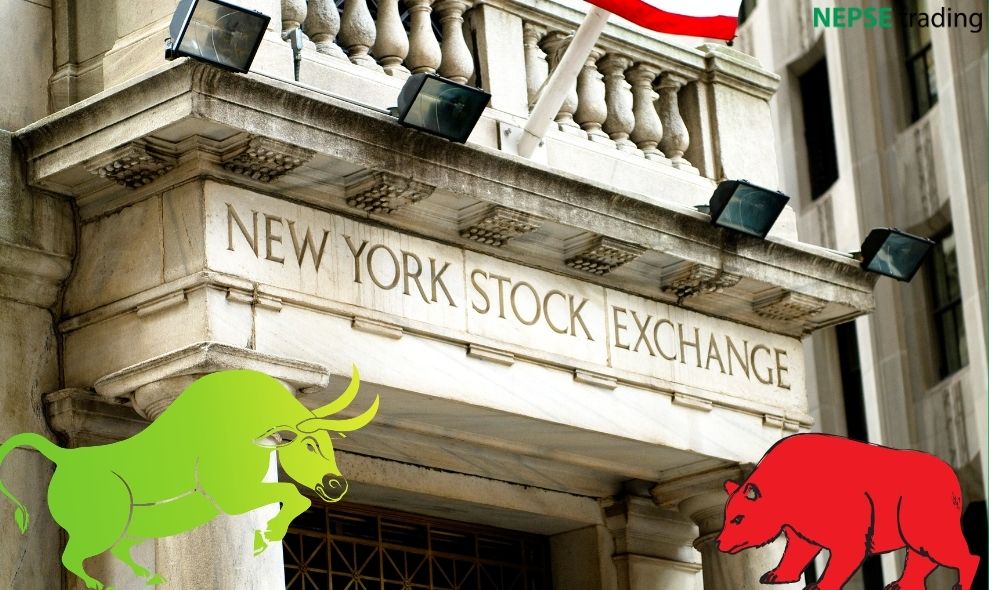
Popular News1 min readAmerican Stock Market: The World’s Largest Financial HubAmerican Stock Market: The World’s Largest Financial Hub The American stock market is considered the largest and most influential financial market globally. It is home to two major stock exchanges: the New York Stock Exchange (NYSE) and NASDAQ. These exchanges serve as central hubs for global investors, showcasing the strength of the American economy and the presence of innovative companies.Dipesh Ghimire·23 Nov, 2024
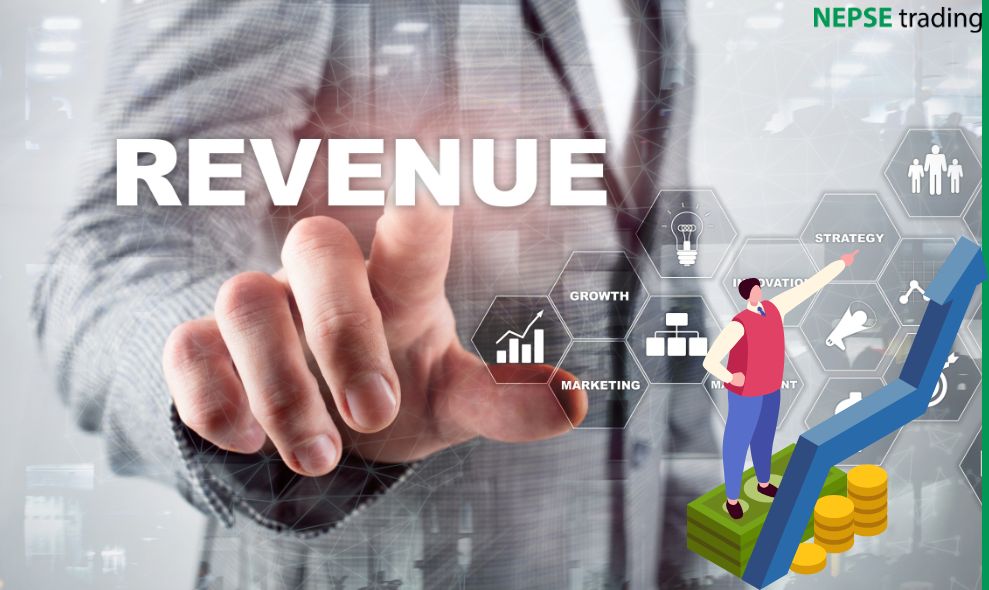
Top2 min readRevenue Increases by 17 Percent, Yet Government Misses TargetThe government’s revenue collection for the first four months of the fiscal year 2081/82 increased by 16.85% compared to the same period last year, reaching NPR 323.24 billion. Despite this growth, the revenue collection still fell short of the target of NPR 406.37 billion, achieving only 80% of the goal.Dipesh Ghimire·21 Nov, 2024
Popular News4 min readThe National Salary and Wage Index: A Deep Dive into Nepal’s Wage DynamicsThe National Salary and Wage Index: A Deep Dive into Nepal’s Wage Dynamics Wages and salaries form the backbone of any economy. They are not only an indicator of the economic health of a nation but also a crucial determinant of the standard of living for its citizens. The National Salary and Wage Index (NSWI) of Nepal offers a lens to examine trends in compensation across industries, inflation-adjusted growth, and the socio-economic shifts influencing these patterns. Anchored to a benchmark of 100 in the fiscal year 2023/24, the index provides critical data for policymakers, employers, and employees.Dipesh Ghimire·21 Nov, 2024