digital1 min readUnderstanding Digital Financial Transaction Accounts and ReconciliationWhen making payments through digital wallets, mobile banking, internet banking, SMS banking, or other electronic methods, transactions can sometimes fail due to technical issues, causing discrepancies in account balances. To address this, the Nepal Rastra Bank has set reconciliation timeframes: one business day for same-day transactions, three business days for transactions between different Nepalese institutions, and thirty business days for transactions involving foreign institutions. The responsibility for reconciliation lies with both issuing and acquiring institutions, ensuring accurate account balances. For more information, consumers can contact the Nepal Rastra Bank's Financial Consumer Protection Department.Sandeep Chaudhary·30 May, 2024
base rate1 min readWhat is the Base Rate of Banks and Financial Institutions?The base rate for banks and financial institutions is the minimum rate at which they calculate the cost of funds. This rate includes expenses such as acquiring deposits, maintaining mandatory reserves as per central bank rules, sustaining necessary liquidity, and operational costs.Sandeep Chaudhary·30 May, 2024
monetory policy2 min readMonetary Policy Highlight for 2023/24 || Enhancing Economic Stability and Growth in NepalThe monetary measures for 2023/24 by the Nepal Rastra Bank are crafted to address both immediate and long-term economic challenges. By adjusting policy rates, enhancing liquidity management, strengthening regulatory frameworks, and promoting financial access and digital transactions, the NRB aims to foster a stable and growth-oriented economic environment in Nepal. These measures are expected to support achieving the targeted economic growth and maintaining macroeconomic stability, ensuring a robust financial sector that can effectively respond to both domestic and global economic conditions.Sandeep Chaudhary·30 May, 2024
economy2 min readMacroeconomic Indicators of Nepal: An In-Depth Analysis Based on Nine Months Data of 2023/24The macroeconomic indicators of Nepal present a mixed picture of recovery and challenges. While GDP and income levels have shown improvement, inflation control remains a critical area. The financial sector shows robust growth in money supply and credit, albeit with rising interest rates. The external sector's persistent deficits highlight the need for structural reforms to improve trade balances. Public finance management, particularly the rising debt levels, requires strategic intervention to ensure sustainable economic growth. Overall, Nepal's economy demonstrates resilience with areas needing focused policy measures for sustained development.Sandeep Chaudhary·29 May, 2024
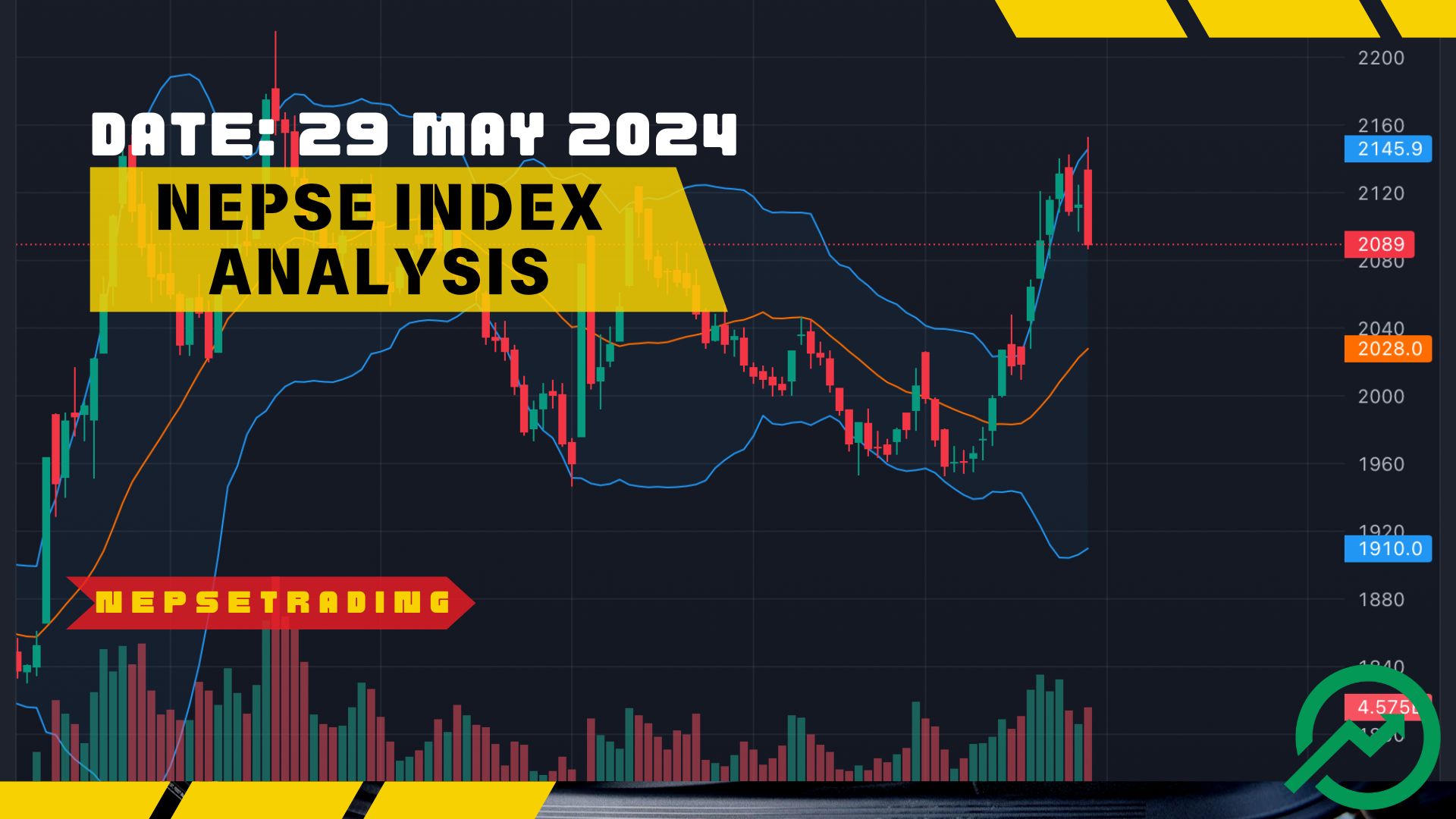
nepse1 min readNEPSE Index Analysis: Short-Term Bearish Trend with High Trading VolumeIn summary, the NEPSE index is showing a short-term bearish trend after a strong upward movement, with the current price dipping below the middle Bollinger Band. The high volume indicates significant trading interest, which could lead to increased volatility. Monitoring the price action around the middle and lower Bollinger Bands will be crucial for the next trading sessions.Sandeep Chaudhary·29 May, 2024
nepse2 min readChanges in Tax Rates for Electric Vehicles in Nepal for the Fiscal Year 2081/82The Nepalese government has introduced a new budget for the fiscal year 2081/82, which includes revised tax rates for electric vehicles (EVs). This move aims to encourage the adoption of eco-friendly vehicles and reduce the nation's carbon footprint. The new tax structure has been adjusted to provide more benefits for lower kilowatt electric vehicles while increasing taxes on higher kilowatt models.Sandeep Chaudhary·29 May, 2024
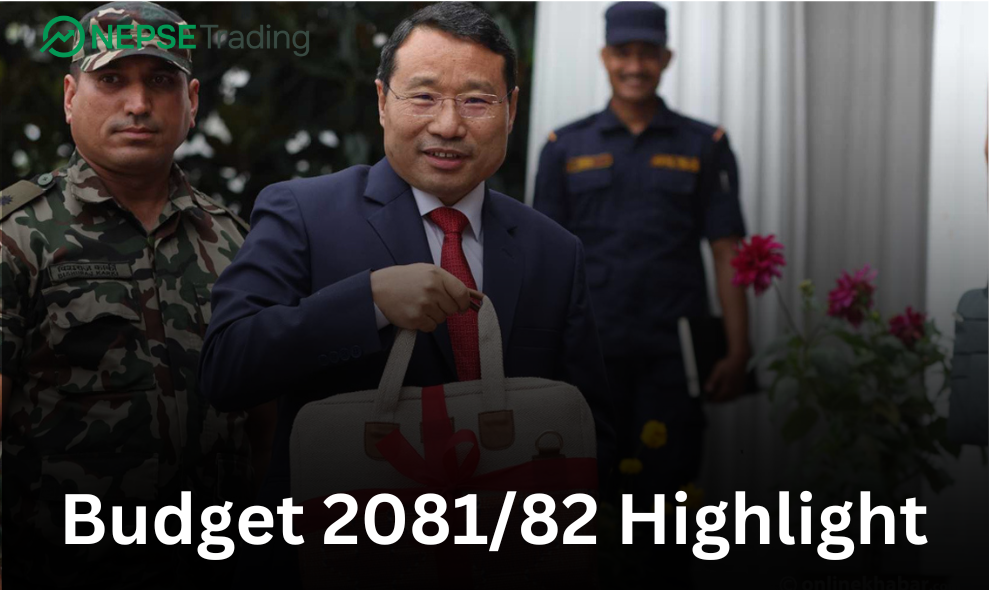
Top2 min readImportant Points and Data from Nepal Budget 2081/82 HighlightThis summary covers the main points from the budget document, focusing on allocations, priorities, and strategies.Writer Content·28 May, 2024