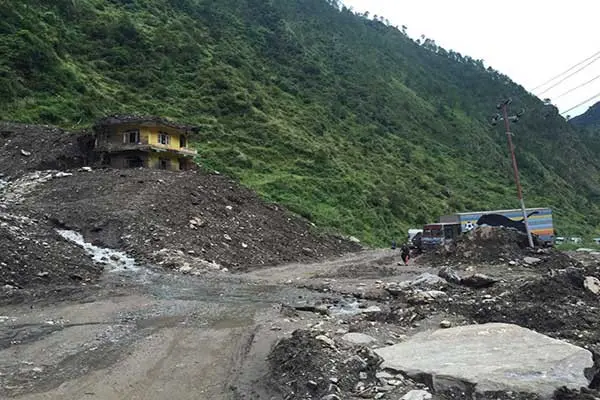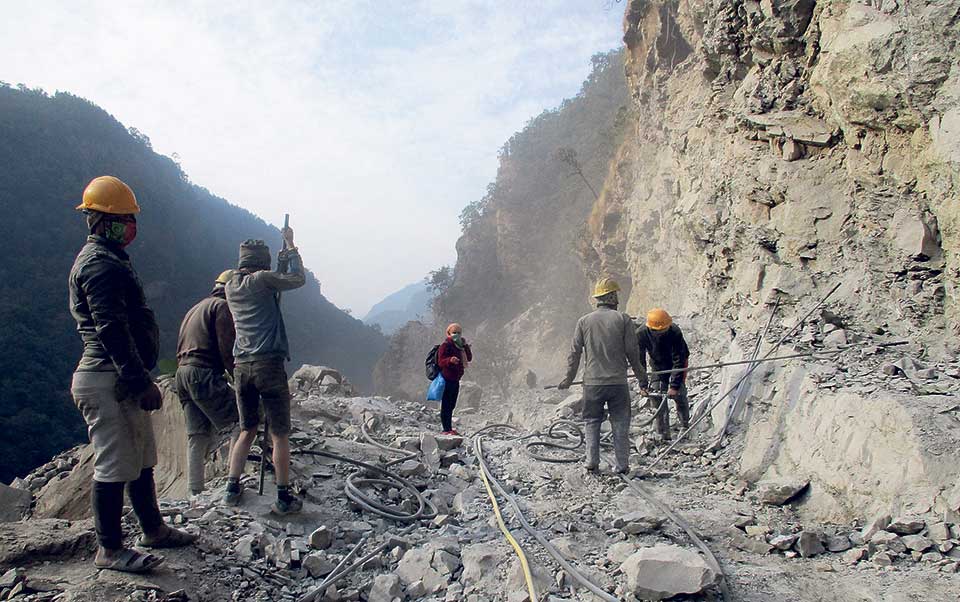
Top4 min readRoad Expansion in Nepal: Rising Expectations, Persistent BarriersRoad Expansion in Nepal: Rising Expectations, Persistent Barriers Nepal’s road transport system is broadly divided into two categories: the central road network and the local road network. The central road system has been managed by the Department of Roads under the Ministry of Physical Infrastructure and Transport since the 1960s, while local roads have been overseen by the Department of Local Infrastructure (DoLIDAR), and later by provincial and local governments. With the adoption of federalism, road responsibilities have been further divided among federal, provincial, and local levels, reshaping the country’s overall transport governance. Under the current federal structure, national highways fall under the jurisdiction of the federal government. A total of 80 highways have been designated as national highways, with a combined length of about 14,913 kilometers. Provincial and local governments together manage nearly 90,000 kilometers of roads. Taken together, Nepal’s total road network now extends close to 100,000 kilometers, reflecting a significant expansion in physical connectivity across the country.Dipesh Ghimire·13 Jan, 2026
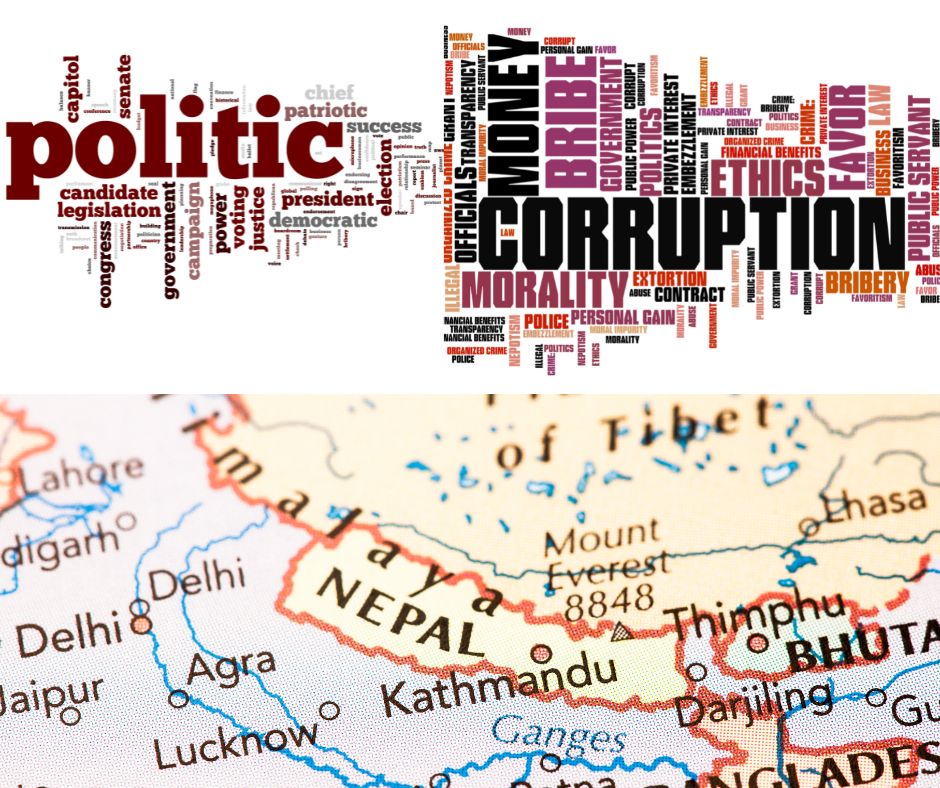
Top5 min readPolitical Consensus Vital for Economic Revival: Challenges and Solutions for NepalPolitical Consensus Vital for Economic Revival: Challenges and Solutions for Nepal Nepal’s economy has faced numerous setbacks in recent years, including the devastating 2015 earthquake, the direct and indirect impacts of COVID-19 from 2019 to 2022, and the annual natural disasters that cause significant damage to both lives and property. Additionally, increasing dependence on imported food and the impact of climate change on productivity have severely affected the country's economic stability. To revive the economy, strong political will and commitment from the leadership are crucial.Dipesh Ghimire·13 Jan, 2026
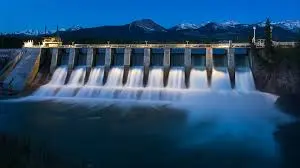
Top4 min readHydropower: The Backbone of Nepal's Economic GrowthHydropower: The Backbone of Nepal's Economic Growth Nepal’s national electricity transmission system has achieved significant milestones, with a total connected capacity of 3,500 megawatts and over 7,000 circuit kilometers of transmission lines across the country. Approximately 200 substations and 208,000 circuit kilometers of distribution lines have been established. As a result, 99% of the population now has access to electricity. The Nepal Electricity Authority (NEA) has signed agreements to purchase over 10,300 megawatts of electricity from various projects. Currently, projects with a total capacity of 7,000 megawatts are under construction, and the country is projected to reach a total installed capacity of 10,000 megawatts within the next five years. Additionally, a process is underway to procure 960 megawatts from solar projects. Once power purchase agreements (PPAs) are finalized, another 11,000 to 12,000 megawatts of capacity will soon enter the construction phase.Dipesh Ghimire·13 Jan, 2026
Top4 min readGovernment Must Invest Public Funds in Infrastructure DevelopmentGovernment Must Invest Public Funds in Infrastructure Development Infrastructure, generally defined, refers to the essential physical and organizational structures needed for the operation of society, industry, and commerce. It includes critical services and systems such as transportation, communication, drinking water, irrigation, healthcare, tourism, energy, and both personal and business buildings. These infrastructures significantly contribute to the country’s economic activities, improving the living standards of the people. According to Nepal Rastra Bank, the infrastructure sector is broadly categorized into 14 areas, including energy, industry, agriculture, trade promotion, transportation, health, education, and urban development.Dipesh Ghimire·13 Jan, 2026
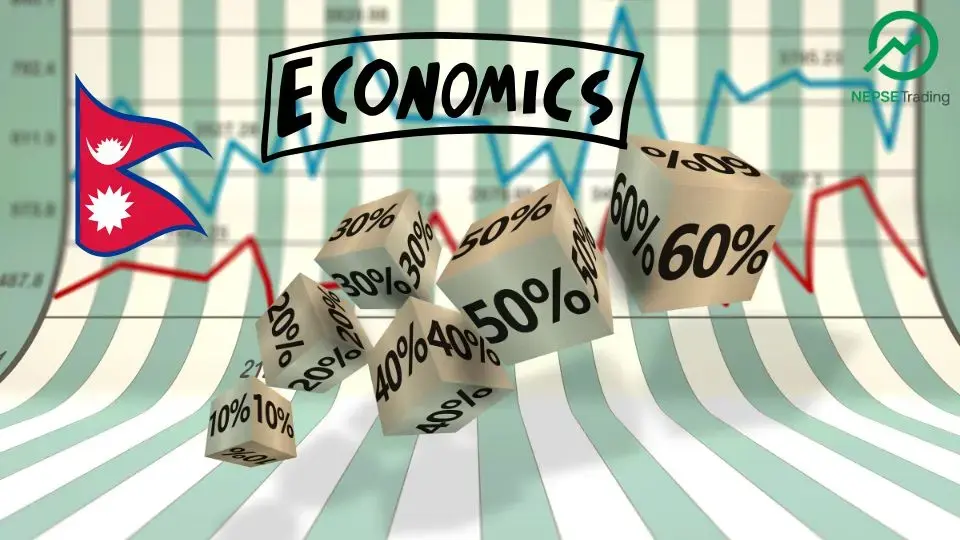
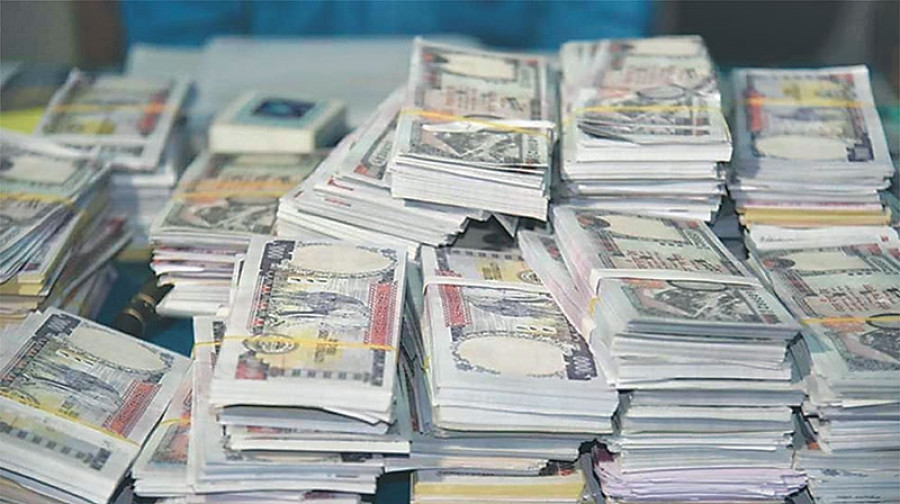
Top4 min readPrivate Sector Emerging from Recession: Nepal's Economic Landscape in TransitionPrivate Sector Emerging from Recession: Nepal's Economic Landscape in Transition Nepal's economy has been volatile for the past four years, with the aftermath of COVID-19 still reverberating through its financial systems. While it appeared that the country was recovering from the pandemic’s impact, the deep economic scars remain evident. According to the data for the fiscal year 2080/81, the industrial sector accounted for only 4.86% of the GDP, the construction sector at 5.41%, and wholesale and retail trade at 13.84%. The central bank’s statistics reflect a modest 5.8% increase in loan expansion, well below the target of 15%, highlighting the stagnation in private sector demand for credit. This is an indication that business investment has yet to recover fully, and entrepreneurs are hesitant to take on debt for growth. On a positive note, Nepal’s foreign exchange reserves are at an all-time high of NPR 20.41 trillion, enough to cover imports for the next 13 months. This is a significant achievement, indicating that the government and state mechanisms are currently in good standing.Dipesh Ghimire·13 Jan, 2026
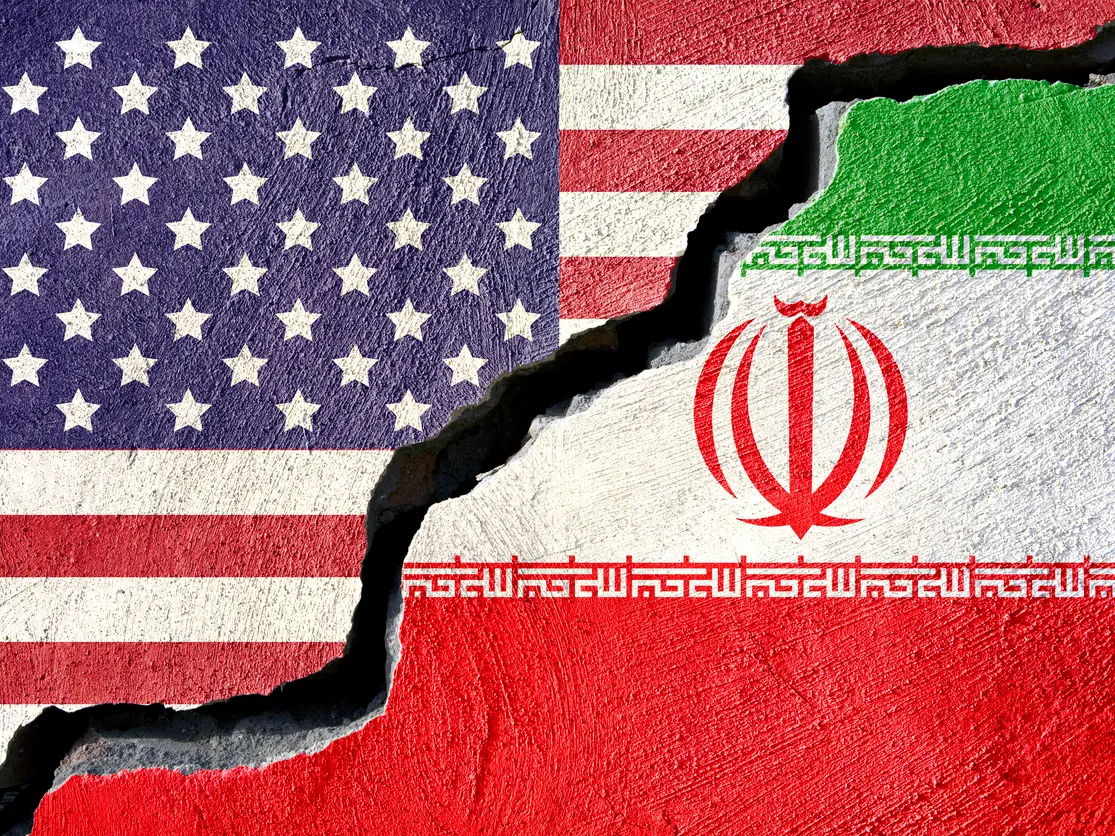
Top3 min readTrump’s 25% Tariff on Imports from Countries Trading with Iran: Impact on Nepal’s TradeTrump’s 25% Tariff on Imports from Countries Trading with Iran: Impact on Nepal’s Trade U.S. President Donald Trump announced on Monday that a 25% customs duty would be imposed on goods imported from countries maintaining trade relations with Iran. This move comes at a time when protests against the Iranian government have entered their third week, putting additional pressure on Tehran. Trump took to social media to state that the tariff would take effect "immediately," but he did not clarify the exact scope of what “doing business with Iran” entails. China, which is Iran's largest trading partner, along with Iraq, the United Arab Emirates, Turkey, and India, are among Iran's biggest commercial partners. This new tariff follows Trump's warning about military intervention should the ongoing protests lead to further fatalities. White House spokesperson Carolyn Levitt confirmed that military options, including airstrikes, remain “under consideration.”Dipesh Ghimire·13 Jan, 2026
Top4 min readNepal Faces Deepening Lifecycle Deficit as Consumption Continues to Outpace IncomeNepal Faces Deepening Lifecycle Deficit as Consumption Continues to Outpace Income Nepal’s economy is showing a growing imbalance between what people earn and what they spend, with new data revealing a widening lifecycle deficit across almost all age groups. According to figures prepared under the National Transfer Accounts (NTA) framework, the average Nepali earned significantly less than their consumption needs in the fiscal year 2081/82 (2024/25), raising concerns about long-term economic sustainability, productivity, and social protection. The data show that Nepal’s per capita labor income stood at NPR 87,814, while average per capita consumption reached NPR 140,179. This gap resulted in a per capita lifecycle deficit of NPR 52,366, indicating that a large portion of consumption is being financed through transfers, savings, remittances, or public spending rather than direct labor income.Dipesh Ghimire·11 Jan, 2026
Top3 min readLack of Sectoral Risk Analysis Emerges as a Major Weakness in Nepal’s Financial Stability FrameworkLack of Sectoral Risk Analysis Emerges as a Major Weakness in Nepal’s Financial Stability Framework Nepal’s financial system continues to operate with a serious gap in sectoral risk assessment, raising concerns about long-term stability. While central banks in advanced and emerging economies rely on stress testing, forward-looking models, and granular industry data to anticipate systemic risks, Nepal’s regulatory framework remains constrained by limited information and incomplete analysis. This has left policymakers, banks, and investors navigating what experts describe as an “unknown unknown” environment. Although Nepal Rastra Bank has recently begun publishing sector-wise non-performing loan (NPL) and provisioning data, analysts argue that such disclosures are only a starting point. These figures should inform deeper background research rather than serve as policy endpoints. Without comprehensive sectoral diagnostics, lending and investment decisions continue to be driven more by market imitation than by evidence-based evaluation.Dipesh Ghimire·11 Jan, 2026
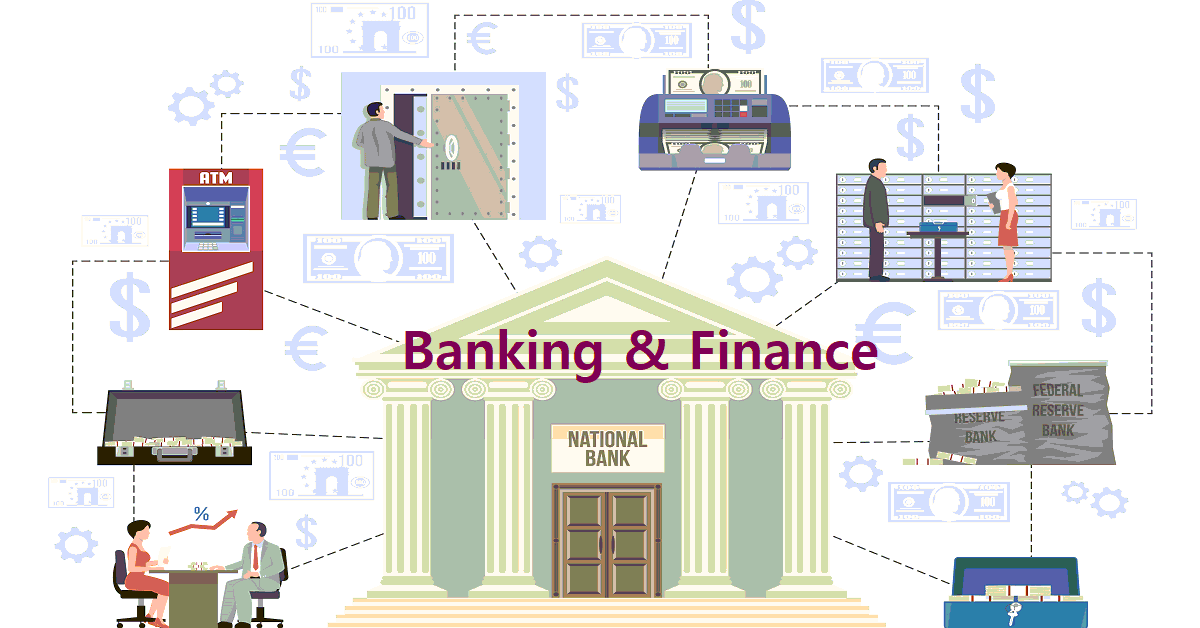
Top4 min readNepal and Papua New Guinea: Two Banking Systems, Two Regulatory PhilosophiesNepal and Papua New Guinea: Two Banking Systems, Two Regulatory Philosophies A comparison between Nepal and Papua New Guinea (PNG) reveals two fundamentally different approaches to banking regulation, pricing freedom, and market discipline. While Nepal’s banking sector is often regarded as mature in terms of institutional depth and regulatory coverage, its heavy reliance on strict controls has increasingly constrained market-driven decision-making. PNG, by contrast, follows a more liberal regulatory philosophy, allowing banks to operate with greater autonomy while placing responsibility for risk squarely on management and shareholders. Nepal’s banking system has expanded rapidly over the past two decades, with a large number of banks operating under detailed prudential rules. Interest rates, spreads, service charges, liquidity ratios, and even sectoral lending priorities are tightly guided by Nepal Rastra Bank. These controls were introduced to ensure stability in an emerging financial system, but critics argue that they now limit competition, innovation, and risk-based decision-making.Dipesh Ghimire·11 Jan, 2026
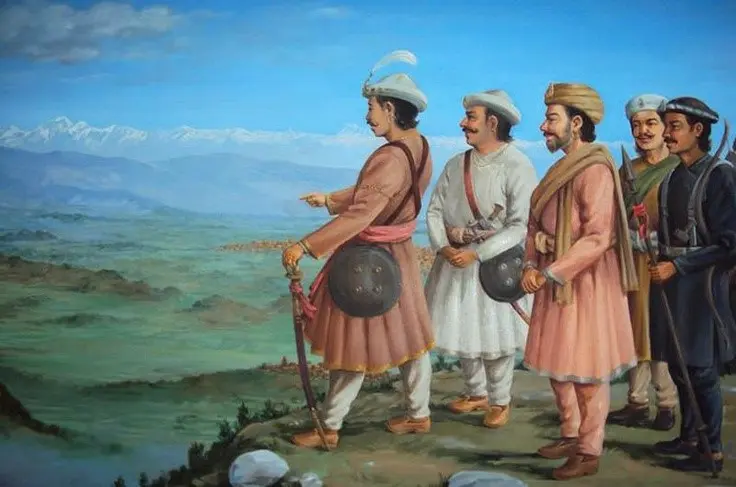
Prithvi Narayan Shah3 min readPrithvi Narayan Shah’s Economic Vision: Foundations of a Self-Reliant Nepali StatePrithvi Narayan Shah’s Economic Vision: Foundations of a Self-Reliant Nepali State Prithvi Narayan Shah, the architect of Nepal’s unification, was not only a formidable military strategist but also a farsighted state-builder with a clear economic vision. While his military campaigns laid the territorial foundation of modern Nepal, his economic ideas shaped the principles of governance that sought to sustain the state beyond conquest. His economic thinking, deeply rooted in national interest and self-reliance, continues to hold relevance in Nepal’s policy discourse. Prithvi Narayan Shah viewed economic strength as inseparable from political sovereignty. His economic philosophy is most clearly articulated in the Divya Upadesh, where he emphasized that a weak economy would ultimately undermine even the strongest military state. For him, economic consolidation was not secondary to unification but a parallel and equally vital process.Dipesh Ghimire·11 Jan, 2026