Electricity Import
Relief for a Battered Energy Grid: India Clears Path for 654 MW Daily Electricity Import to Nepal
However, this event brings a harsh reality to the surface: it exposes how fragile Nepal's energy system remains in the face of natural disasters and how heavily reliant the country still is on emergency imports. For the NEA, the ultimate and most pressing challenge now is to complete the reconstruction and maintenance of its damaged domestic infrastructure as swiftly as possible.
Dipesh Ghimire
2 min read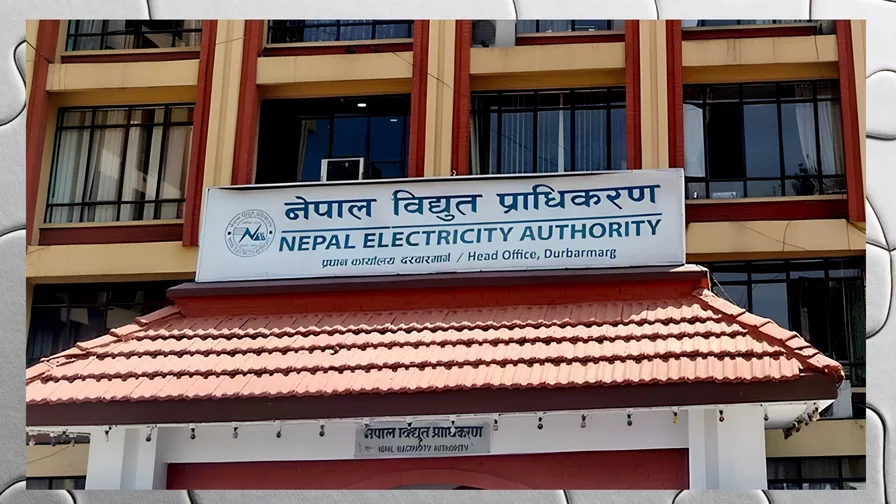
KATHMANDU — In a bid to avert a potential energy crisis triggered by severe damage to domestic power generation from natural disasters, Nepal is set to import emergency electricity from India. Acknowledging the critical situation caused by the recent devastating floods in the Bhotekoshi River, the Indian government has decided to supply up to 654 megawatts (MW) of electricity daily to Nepal until December 31. This move provides a crucial buffer to address potential supply shortages during the upcoming festive and early winter seasons.
The Technical Framework and Import Schedule
The Indian Ministry of Power has given the green light to the Nepal Electricity Authority (NEA) to import this volume, effective September 13. However, this import facility is not available round-the-clock. According to the agreement, Nepal will be permitted to draw this electricity only during an 18-hour window, specifically from midnight (12:00 AM) to 6:00 PM.
On the technical front, the power will flow into Nepal through two major cross-border channels. A maximum of 600 MW will be imported via the country's largest transmission lifeline, the Dhalkebar-Muzaffarpur 400 kV double circuit line. The remaining 54 MW will enter the far-western region via the Tanakpur-Mahendranagar 132 kV single circuit line.
The Flood-Induced Crisis and Bilateral Support
The primary catalyst for this emergency import is the catastrophic flooding of the Bhotekoshi River in the Rasuwa and Sindhupalchok regions on August 26 (Bhadra 10). The floods inflicted massive structural damage on dams, powerhouses, and transmission infrastructures of key hydropower projects connected to the national grid. This sudden loss of generation capacity left the NEA struggling to meet domestic demand.
Responding to this difficult situation, India viewed Nepal's request to bridge the supply gap positively. An official statement from India's Ministry of Power reiterated its commitment to supporting its neighbor during times of crisis. The ministry expressed confidence that this step will further deepen and solidify bilateral energy cooperation between the two nations.
Conditions Set for Future Imports
While this arrangement provides immediate relief, India has not left the door open for an unconditional, long-term supply. The current agreement is strictly a short-term measure valid only until December 31.
Regarding the export of electricity to Nepal from January 2027 onwards, India has stipulated that a new decision will be formulated only after a comprehensive review scheduled for December 2026. This implies that Nepal may need to initiate a fresh round of high-level negotiations to secure power for the core dry season (January–March), when domestic river run-off is at its lowest.
Conclusion: A Temporary Lifeline Highlighting Enduring Dependency
Overall, India's decision acts as an immediate 'lifeline' for Nepal's energy sector, which was rattled by the destruction of its hydropower infrastructure. This imported power will prevent forced blackouts in industrial corridors and ensure uninterrupted supply for general consumers.
However, this event brings a harsh reality to the surface: it exposes how fragile Nepal's energy system remains in the face of natural disasters and how heavily reliant the country still is on emergency imports. For the NEA, the ultimate and most pressing challenge now is to complete the reconstruction and maintenance of its damaged domestic infrastructure as swiftly as possible.
Advertisement
Written by
Dipesh Ghimire