Rupakot Resort Limited IPO
Rupakot Resort’s IPO Plan Signals Growing Tourism Sector Interest in Capital Market
The planned IPO of Rupakot Resort represents not only a fundraising initiative for one hospitality company but also reflects the gradual expansion of Nepal’s capital market into sectors beyond traditional banking, hydropower, and manufacturing.
Dipesh Ghimire
2 min read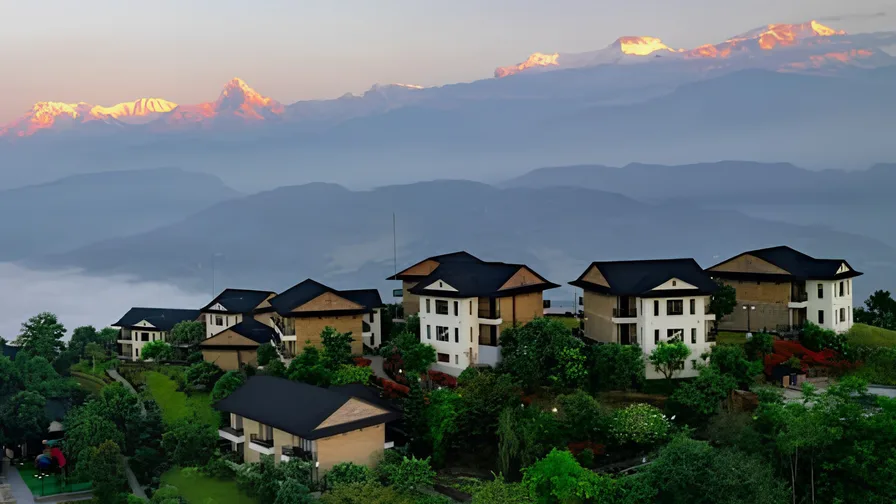
Kathmandu. Rupakot Resort Limited has begun preparations to enter Nepal’s capital market by issuing an Initial Public Offering (IPO) to the general public, marking another step toward greater private sector participation in the country’s tourism industry.
The resort has appointed NIC Asia Capital Limited as the issue and sales manager for the proposed IPO. A formal agreement between the two companies has been signed, initiating the process required for the public share issuance.
Under its “Idea to IPO” service, NIC Asia Capital will provide advisory support, regulatory guidance, and technical facilitation to help Rupakot Resort complete the necessary procedures for becoming a publicly listed company.
The move reflects a growing trend among Nepal’s hospitality and tourism businesses to seek capital market access as an alternative source of financing. Traditionally dependent on bank loans and private investment, tourism companies are increasingly looking toward IPOs to raise expansion capital while allowing public investors to participate in their growth.
Located in Rupa-6, Maidan of Kaski district, Rupakot Resort has positioned itself as a premium tourism destination near Pokhara. The resort’s location, offering views of the Himalayan range and panoramic scenery of Rupa and Begnas lakes, has become one of its major attractions.
The company has been expanding its hospitality services, including accommodation facilities, food and beverage services, recreational activities, and venues for corporate events, conferences, weddings, and private gatherings.
From an investment perspective, the proposed IPO could provide the company with additional financial resources to strengthen infrastructure, expand services, and increase its competitiveness in Nepal’s growing tourism market. Access to public capital may also improve corporate transparency and governance as listed companies are required to follow stricter disclosure and reporting standards.
However, analysts suggest that investor interest in tourism-sector IPOs will depend largely on the company’s financial performance, profitability, future growth plans, and ability to manage seasonal risks associated with the hospitality industry.
Nepal’s tourism sector has significant growth potential due to natural attractions, cultural diversity, and increasing domestic and international travel demand. Companies that successfully convert this potential into sustainable earnings could attract greater interest from capital market investors.
The planned IPO of Rupakot Resort represents not only a fundraising initiative for one hospitality company but also reflects the gradual expansion of Nepal’s capital market into sectors beyond traditional banking, hydropower, and manufacturing.
Advertisement
Written by
Dipesh Ghimire