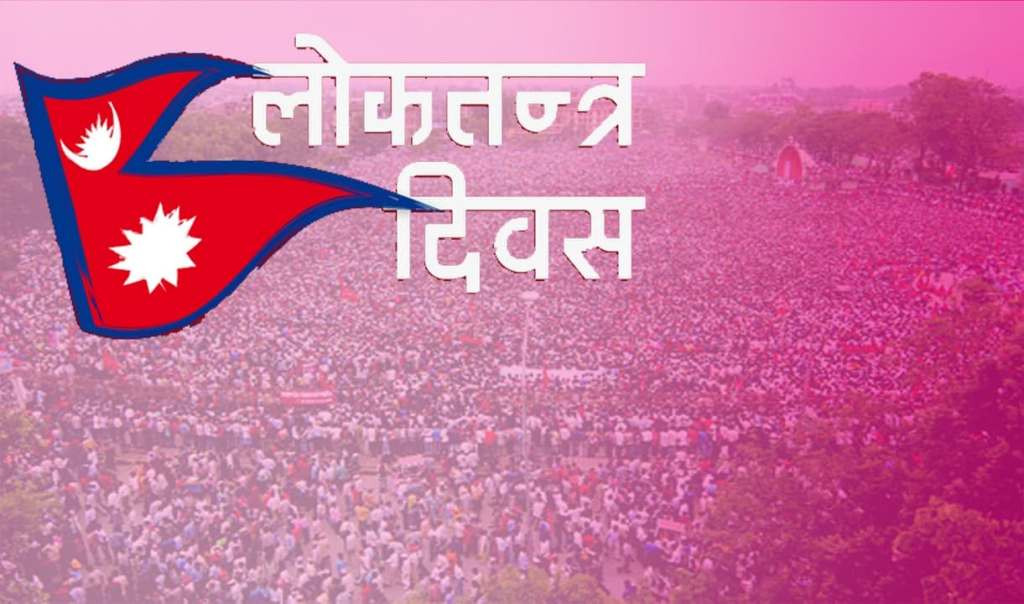
काठमाडौँ । देशभर आज लोकतन्त्र दिवस मनाइँदै छ। जनआन्दोलन–२०६२/६३ को सफलतासँग जोडिएको यो दिनले नेपाली जनताको अधिकार प्राप्तिको ऐतिहासिक मोडलाई स्मरण गराउँछ। ११ वैशाख २०६३ मा तत्कालीन राजाबाट प्रतिनिधिसभा पुनर्स्थापना गर्ने घोषणा भएपछि लोकतान्त्रिक प्रक्रियाले पुनः गति लिएको थियो, जसको सम्झनामा हरेक वर्ष यो दिवस मनाइँदै आएको हो।राजनीतिक अस्थिरता र द्वन्द्वले थलिएको मुलुकमा २०५९ सालपछि निर्वाचन हुन नसक्दा शासन सञ्चालनको स्वरूप विवादास्पद बन्दै गएको थियो। सो अवधिमा सरकार गठन र विघटनको क्रम निरन्तर दोहोरिँदा राज्य व्यवस्थामाथि प्रश्न उठ्न थालेका थिए। यही पृष्ठभूमिमा विभिन्न राजनीतिक दल र विद्रोही शक्तिबीच सहकार्यको आवश्यकता महसुस भयो।२०६१ माघमा सत्ता प्रत्यक्ष रूपमा हातमा लिएपछि जनआन्दोलनको स्वर झन् चर्कियो। त्यसपछि सात दल र माओवादीबीच भएको १२ बुँदे समझदारीले आन्दोलनलाई संगठित बनायो। विभाजित राजनीतिक शक्तिहरू एउटै लक्ष्यमा केन्द्रित भएपछि सडक आन्दोलनले व्यापक रूप लियो र देशव्यापी जनसहभागिता बढ्दै गयो।२०६२ को अन्त्यतिरदेखि सुरु भएको आन्दोलन नयाँ वर्षसँगै उत्कर्षमा पुगेको थियो। राजधानीलगायत विभिन्न सहरमा लाखौँ नागरिक सडकमा उत्रिएपछि सत्तामाथि दबाब बढ्दै गयो। अन्ततः जनदबाबकै कारण ११ वैशाखमा प्रतिनिधिसभा पुनर्स्थापना गर्ने घोषणा भयो, जसले लोकतन्त्र पुनःस्थापनाको ढोका खोल्यो।संसद पुनर्स्थापनापछि राज्य संरचनामा ठूला परिवर्तनहरू सुरु भए। २०६३ जेठमा संसदले राजसंस्थाका अधिकार सीमित गर्दै शासन प्रणालीलाई नयाँ दिशातर्फ लैजाने निर्णय गर्यो। साथै, शान्ति प्रक्रिया अघि बढाउने र संविधानसभा मार्फत नयाँ संविधान बनाउने मार्ग तय गरियो।त्यसपछि २०६४ मा संविधानसभा निर्वाचन सम्पन्न भयो, जसले गणतन्त्र स्थापनाको आधार तयार गर्यो। २०६५ जेठ १५ गते बसेको पहिलो बैठकले सदियौँ पुरानो राजसंस्थाको अन्त्य गर्दै नेपाललाई संघीय लोकतान्त्रिक गणतन्त्र घोषणा गर्यो। यो निर्णय नेपाली राजनीतिक इतिहासकै एक महत्वपूर्ण उपलब्धिका रूपमा लिइन्छ।अन्ततः २०७२ असोज ३ गते नयाँ संविधान जारी भएपछि संघीय संरचनाअनुसार शासन प्रणाली कार्यान्वयनमा आयो। त्यसपछि भएका निर्वाचनमार्फत संघ, प्रदेश र स्थानीय तहमा जनप्रतिनिधिहरू चयन भई शासन सञ्चालन भइरहेको छ।लोकतन्त्र दिवस केवल ऐतिहासिक दिनको सम्झना मात्र होइन, जनअधिकार, स्वतन्त्रता र उत्तरदायी शासनप्रति पुनःप्रतिबद्ध हुने अवसरका रूपमा पनि लिइन्छ। आजका दिन विभिन्न कार्यक्रममार्फत लोकतान्त्रिक मूल्य–मान्यताप्रति सम्मान प्रकट गरिँदैछ।
Investor
2 min read
NEPSE TRADING
लोकतन्त्र दिवस आज: जनआन्दोलनको उपलब्धि सम्झँदै मुलुकभर विविध कार्यक्रमDemocracy Day Observed Nationwide, Marking People’s Victory and Political Transformation
Kathmandu — Democracy Day is being observed across the country today with various programs, commemorating a historic turning point in Nepal’s political journey. The day marks the reinstatement of the dissolved House of Representatives on April 24, 2006 (Baisakh 11, 2063 BS), following the success of the people’s movement. Since then, it has been celebrated annually as a symbol of restored democratic rights and public sovereignty.The years leading up to the movement were marked by deep political instability. After the dissolution of Parliament in 2002, elections could not be held due to the ongoing armed conflict, creating a prolonged constitutional crisis. During this period, frequent changes in government leadership and executive decisions intensified uncertainty and weakened public trust in the system.The situation escalated further when the then monarch assumed direct control of state power in February 2005. This move triggered widespread opposition and ultimately led to a strategic alliance between the seven political parties and the Maoist forces through a 12-point agreement. This understanding played a crucial role in uniting previously divided political forces and strengthening the nationwide protest movement.By early 2006, the protests had gained unprecedented momentum. Massive demonstrations were held across the country, with hundreds of thousands of citizens taking to the streets, particularly in the capital. The growing public pressure eventually compelled the monarchy to reinstate the Parliament on April 24, paving the way for democratic restoration.Following the reinstatement, significant political reforms were introduced. In May 2006, Parliament moved to curtail the powers of the monarchy and initiated a roadmap for peace and political restructuring. This included bringing the Maoists into the peace process and committing to the election of a Constituent Assembly to draft a new constitution.The Constituent Assembly elections held in 2008 marked another milestone, leading to the historic declaration of Nepal as a federal democratic republic on May 28, 2008. Although the first Assembly could not deliver a constitution, it laid the groundwork for long-term transformation.A second Constituent Assembly, elected in 2013, successfully promulgated the Constitution of Nepal on September 20, 2015. Since then, the country has conducted elections at federal, provincial, and local levels, implementing the federal democratic system envisioned through the movement.Democracy Day today stands not only as a remembrance of past struggles but also as a reaffirmation of the people’s commitment to democratic values, inclusive governance, and constitutional rule. Various events are being held nationwide to honor the spirit of the movement and its enduring legacy.
Advertisement