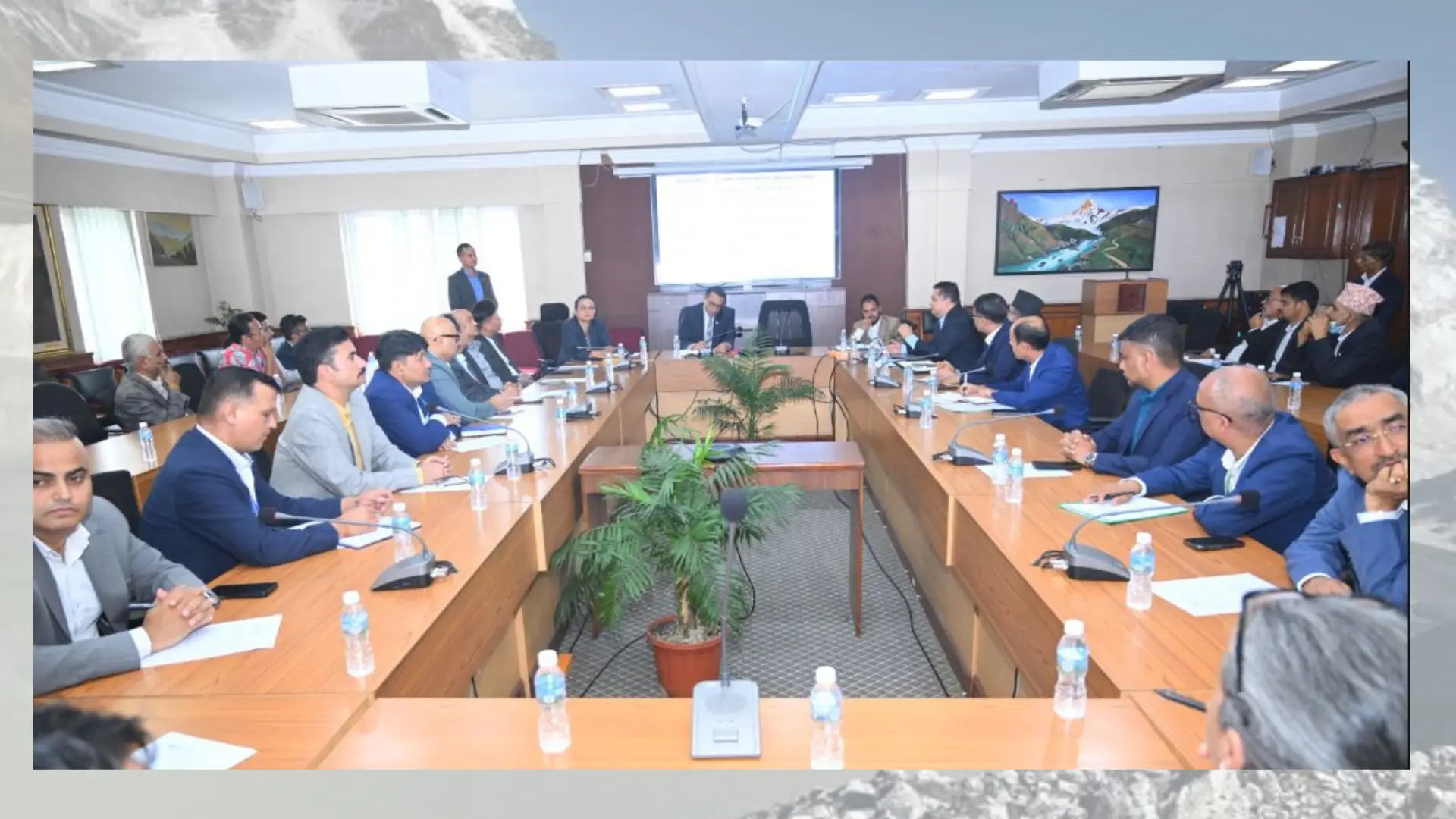
काठमाडौं । पूर्व गभर्नरहरूले आगामी मौद्रिक नीति लचिलो, अनुमानयोग्य तथा आर्थिक वृद्धिलाई सहयोग गर्ने हुनुपर्नेमा जोड दिएका छन्। प्रतिनिधिसभा अन्तर्गतको अर्थ समितिमा आइतबार भएको छलफलमा उनीहरूले वर्तमान आन्तरिक तथा बाह्य आर्थिक अवस्था सन्तोषजनक रहेकाले नीतिगत कडाइ आवश्यक नरहेको धारणा राखे。
पूर्व गभर्नर महाप्रसाद अधिकारीले मुद्रास्फीति नियन्त्रणमा रहेको र बाह्य क्षेत्र स्थिर रहेकाले मौद्रिक नीति थप लचिलो हुन सक्ने बताए। बैंक दर, नीतिगत ब्याजदर तथा निक्षेप संकलन दरलाई कडा बनाउने आवश्यकता नरहेको उनको भनाइ थियो।
उनले हालको मौद्रिक अवस्थाले वित्तीय प्रणालीमा सन्तुलन कायम गरेको उल्लेख गर्दै नीतिलाई आयात नियन्त्रणमा मात्र केन्द्रित नगरी आन्तरिक उत्पादन वृद्धितर्फ उन्मुख गर्नुपर्ने बताए।
ऊर्जा क्षेत्रमा १५ प्रतिशत र साना तथा घरेलु उद्योगमा १५ प्रतिशत कर्जा प्रवाह गर्ने जस्ता दीर्घकालीन नीतिगत व्यवस्थालाई निरन्तरता दिनुपर्ने उनले बताए। विप्रेषण आप्रवाहका कारण प्रणालीमा तरलता पर्याप्त भए पनि दीर्घकालीन लक्ष्यलाई सहजताको नाममा हटाउन नहुने उनको भनाइ थियो।
उनले पछिल्ला वर्षमा कर्जा विस्तार सुस्त हुनु, बजार सन्तृप्त हुँदै जानु र डिजिटल कारोबारको विस्तारजस्ता कारणले कर्जाको माग अपेक्षाअनुसार नबढेको बताए। साथै, वित्तीय अनुशासनका लागि लागू गरिएका खराब कर्जा वर्गीकरण तथा अपेक्षित कर्जा नोक्सानीसम्बन्धी मापदण्डबाट पछि हट्न नहुने उनले बताए।
उनका अनुसार केन्द्रीय बैंकले मूल्य स्थायित्व र वित्तीय स्थायित्व दुवैलाई सन्तुलनमा राख्नुपर्ने आवश्यकता छै।
अर्का पूर्व गभर्नर चिरञ्जीवी नेपालले बैंक तथा वित्तीय संस्थाको पुँजी वृद्धि र संस्थागत सुदृढीकरणका कारण वित्तीय प्रणाली सुरक्षित रहेको बताए। पुँजी वृद्धि नगरिएको भए बैंकिङ प्रणाली पनि सहकारी क्षेत्रजस्तै संकटमा पर्न सक्ने अवस्था आउन सक्ने उनको भनाइ थियो।
उनले मौद्रिक नीतिले मूल्य स्थायित्वसँगै आर्थिक वृद्धिलाई पनि समान रूपमा सहयोग गर्नुपर्ने बताए। केन्द्रीय बैंकको पहिलो जिम्मेवारी मूल्यवृद्धि नियन्त्रण भए पनि आर्थिक वृद्धि हासिल गर्न सहयोग पुर्याउनु पनि उत्तिकै महत्वपूर्ण रहेको उनले बताए।
नेपालले बैंक तथा वित्तीय संस्थाहरूको कर्जा विस्तार र आर्थिक वृद्धिबीच प्रत्यक्ष सम्बन्ध रहेको उल्लेख गर्दै कर्जालाई अनावश्यक रूपमा नियन्त्रण गर्न नहुने,

2 min read
Latest News
मौद्रिक नीति लचिलो र अनुमानयोग्य हुनुपर्ने पूर्व गभर्नरहरूको जोडFormer Governors Emphasize the Need for Flexible and Predictable Monetary Policy
The former governors have emphasized the need for a flexible, predictable, and growth-supportive monetary policy. They expressed this view during a discussion at the parliamentary Finance Committee on Sunday, stating that the current domestic and external economic conditions are satisfactory, and therefore, no policy tightening is required.
Former Governor Mahaprasad Adhikari stated that since inflation is under control and the external sector is stable, the monetary policy can be more flexible. He mentioned that there is no need to tighten the bank rate, policy rate, and deposit collection rate.
He noted that the current monetary situation has maintained balance in the financial system and suggested that the policy should focus on increasing domestic production rather than just controlling imports.
Adhikari emphasized the need to continue long-term policy arrangements, such as providing 15% credit flow to the energy sector and 15% to small and cottage industries. He stated that even if there is sufficient liquidity in the system due to remittances, long-term goals should not be compromised for the sake of ease.
He pointed out that in recent years, credit expansion has been slow, the market has been saturated, and the expansion of digital transactions has not increased credit demand as expected. Additionally, he stated that the criteria for bad loan classification and expected loan loss provision, implemented for financial discipline, should not be relaxed.
According to him, the central bank needs to balance price stability and financial stability.
Another former governor, Chiranjibi Nepal, stated that the financial system is secure due to the capital increase and institutional strengthening of banks and financial institutions. He mentioned that if capital had not been increased, the banking system could have faced a crisis similar to that of the cooperative sector.
Nepal emphasized that monetary policy should support economic growth equally, along with price stability. He stated that while controlling inflation is the primary responsibility of the central bank, supporting economic growth is also equally important.
Nepal noted that there is a direct relationship between the credit expansion of banks and financial institutions and economic growth, and therefore, credit should not be unnecessarily controlled.
Advertisement