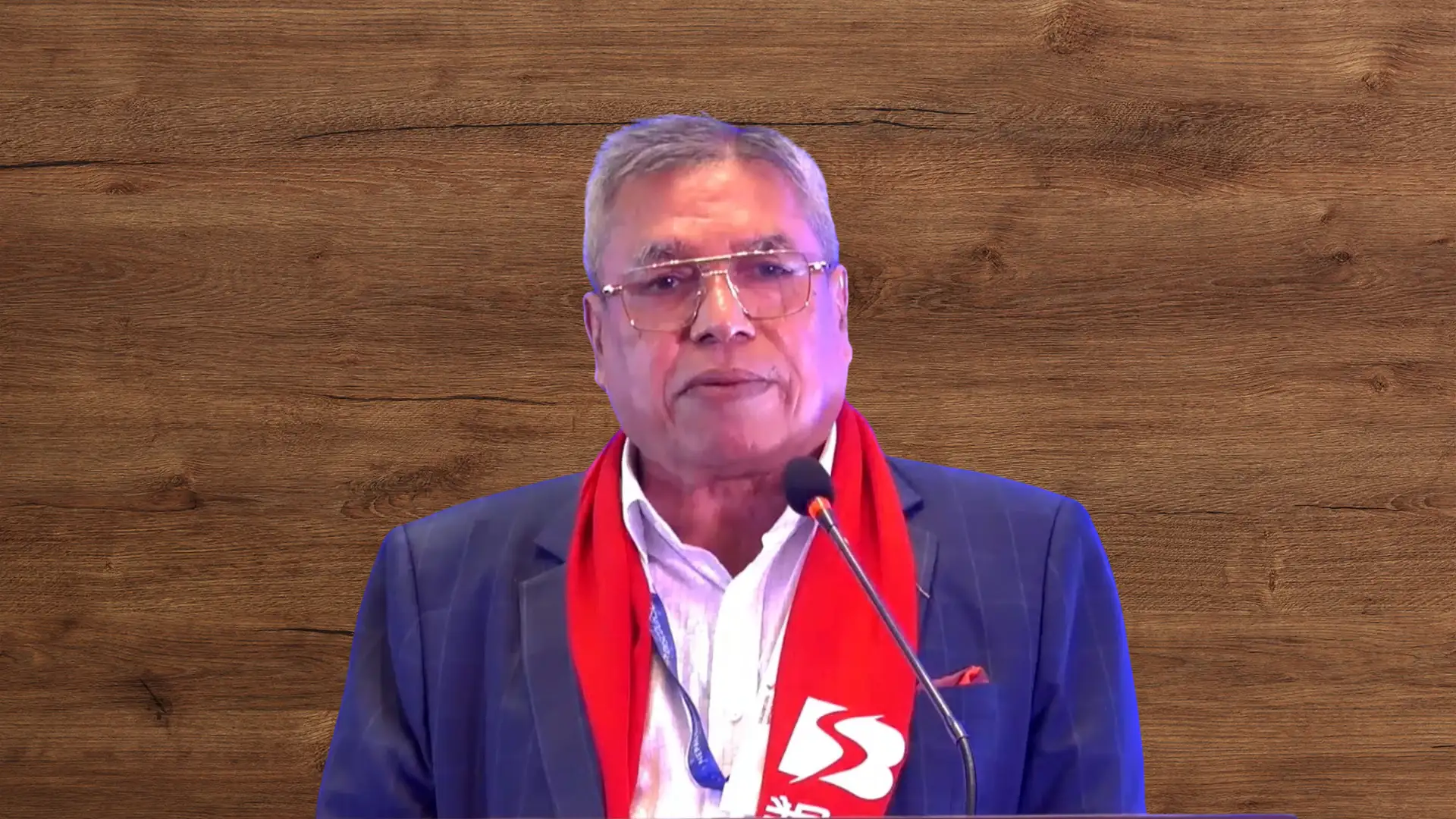
काठमाडौं — नेपाल चेम्बर अफ कमर्सका अध्यक्ष कमलेशकुमार अग्रवालले पुँजी बजारलाई सामान्य सेयर खरिदबिक्रीको थलोका रूपमा मात्र नहेरी दीर्घकालीन पुँजी परिचालनको बलियो आधार बनाउनुपर्ने बताएका छन्। अर्थतन्त्रलाई बैंकको कर्जामा मात्रै निर्भर गराउने परिपाटीको अन्त्य गर्दै अब ‘मार्केट बेस्ड फाइनान्सिङ’ (बजारमा आधारित वित्तीय प्रणाली) तर्फ रूपान्तरण गर्नुपर्ने आवश्यकता उनले औंल्याएका हुन्।
बैंकिङ समाचार र नासा सेक्युरिटिजको आयोजनामा भएको ‘नेपाल क्यापिटल मार्केट डिस्कोर्स–२०२६’ कार्यक्रममा बोल्दै अध्यक्ष अग्रवालले यस्तो धारणा राखेका हुन्। उत्पादन, पूर्वाधार विकास र रोजगारी सिर्जनाका लागि निजी क्षेत्रलाई आवश्यक पर्ने पुँजी बजारले सहज रूपमा उपलब्ध गराउन सके मात्रै देशको आर्थिक रूपान्तरण सम्भव हुने उनले प्रस्ट पारे।
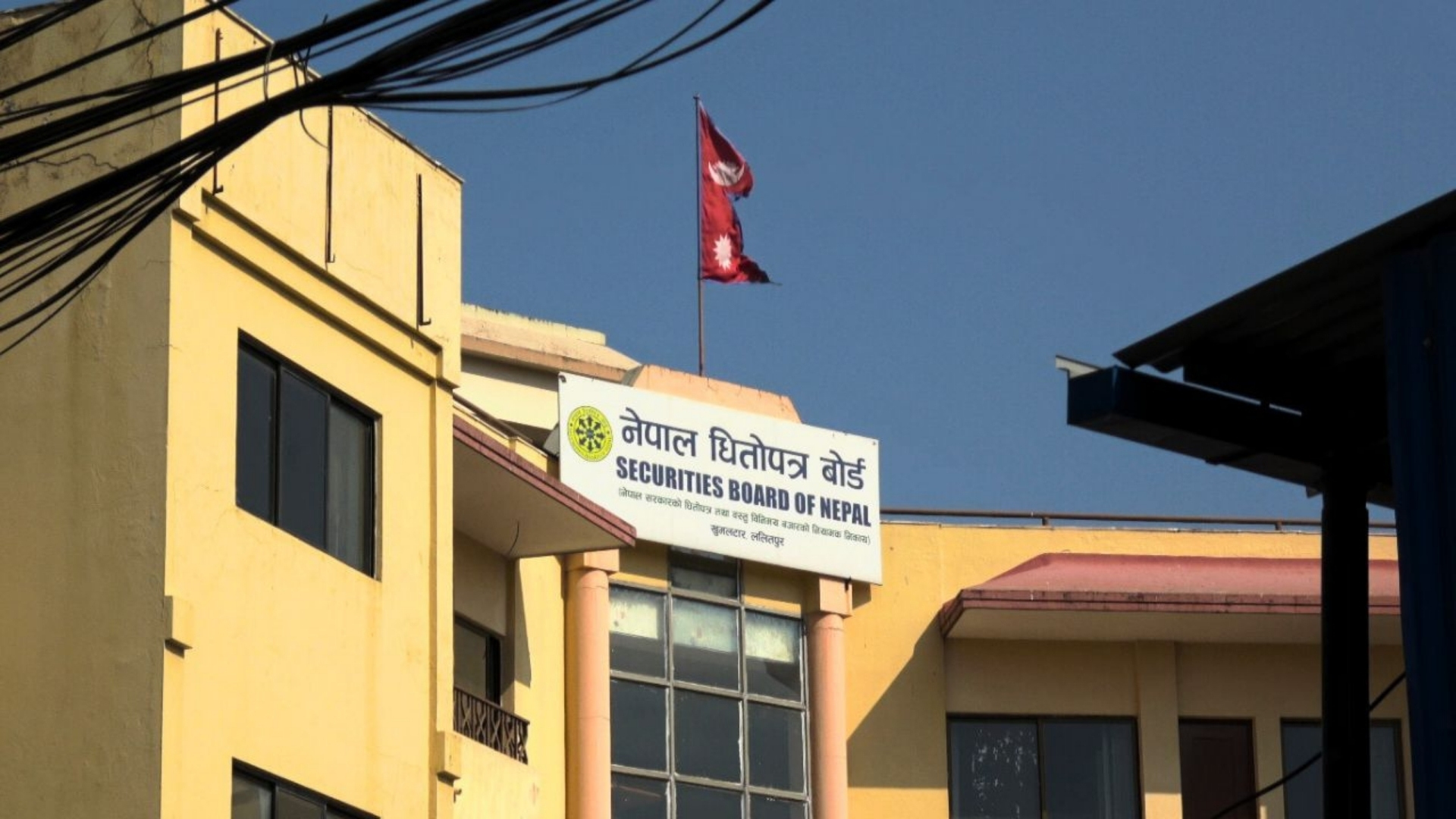
विगतका नीतिगत कमजोरीका कारण नेपाली सेयर बजारमा सट्टेबाजी प्रवृत्ति हावी भएको भन्दै अग्रवालले असन्तुष्टि व्यक्त गरे। विशेषगरी एउटै कम्पनीको सेयरमा पनि 'डबल आईएसआईएन' (संस्थापक र सर्वसाधारण सेयर) को व्यवस्थाले मूल्यमा ५० प्रतिशतसम्मको अन्तर ल्याएको र यसले लगानीकर्तामा भ्रम सिर्जना गरेको उनले बताए। यसै अन्योललाई चिर्न नेपाल धितोपत्र बोर्ड (सेबोन) ले एउटै 'आईएसआईएन' लागू गर्ने तयारी गरेकोमा स्वागत गर्दै उनले आगामी दिनमा कम्पनीको वास्तविक क्षमता र प्रतिफलका आधारमा मात्र सेयर मूल्य तय हुने पारदर्शी वातावरण बन्नुपर्नेमा जोड दिए।
Kathmandu — Nepal Chamber of Commerce (NCC) President Kamlesh Kumar Agrawal has emphasized that the capital market must be developed as a robust foundation for long-term capital mobilization, rather than just a conventional platform for share trading. He pointed out the urgent need to transition the country's economy from its current heavy reliance on bank loans to a 'market-based financing' system.
Speaking at the 'Nepal Capital Market Discourse-2026' organized by Banking Samachar and Nasa Securities, Agrawal articulated this vision. He stated that meaningful economic transformation is only possible if the capital market can seamlessly provide the private sector with the necessary funds for boosting production, infrastructure development, and job creation.
Expressing dissatisfaction with past policy flaws that fueled speculative trends in the Nepali stock market, Agrawal highlighted the confusion caused by the 'Double ISIN' system (separate pricing for promoter and public shares), which created price discrepancies of up to 50 percent for shares of the exact same company. Welcoming the Securities Board of Nepal's (SEBON) ongoing preparation to implement a single ISIN system, he stressed the need for a transparent environment where share prices are determined strictly by a company's actual management capacity and future returns.