NEPSEtrading

Make smarter moves backed by machine learning. Join thousands of traders leveraging AI to maximize profits.

nepsetrading.com is an online news portal that provides insights into trading and investment by analyzing the stock market and the global economy. We create charts based on the analysis of various indicators. Please do not rely solely on this information for investment decisions. Self-study is crucial. Use this information only as an educational and informational resource.

Marketminds Investment Group Private Limited

DOIB Registration certificate no.: 4680-2081/2082

Director & Editor-in-chief: Dipesh Ghimire · 9802363868, 9851119988

Koteshwor 32, Kathmandu
01-5253221 · +977 9709066745

Contact support

Subscribe to our newsletter

Weekly insights from the NEPSE market in your inbox.

Get the app

Track markets, signals and alerts from your phone.

Get it onGoogle Play

Market

  • Stocks
  • Sectors

Company

  • About Us
  • Our Team
  • Terms of Use
  • Our Policy
  • Training
  • Contact Us

Help

  • Support
  • Report
  • FAQ

© 2026 nepsetrading.com. All rights reserved.
Owned and operated by Marketminds Investment Group Private Limited.

Charts powered by TradingView

  1. News
  2. Investor
  3. Nepal Faces Annual Investment Gap of Over Rs 755 Billion to Meet SDGs
एसडिजी पूरा गर्न वार्षिक साढे ७ खर्बभन्दा बढी लगानी अपुग
Investor
2 min read
Published on April 27, 2025
NEPSE trading

एसडिजी पूरा गर्न वार्षिक साढे ७ खर्बभन्दा बढी लगानी अपुगNepal Faces Annual Investment Gap of Over Rs 755 Billion to Meet SDGs

नेपालले सन् २०३० सम्म दिगो विकास लक्ष्य (एसडिजी) पूरा गर्न वार्षिक साढे ७ खर्ब रुपैयाँभन्दा बढी लगानी अपुग रहने देखिएको छ। राष्ट्रिय योजना आयोगले सार्वजनिक गरेको ‘दिगो विकास लक्ष्यः आवश्यकता पहिचान, लागत अनुमान तथा वित्तीय रणनीति, २०८१’ प्रतिवेदनअनुसार लक्ष्य पूरा गर्न प्रत्येक वर्ष औसत ३० खर्ब २४ अर्ब लगानी आवश्यक पर्छ। तर स्रोत जुटाइ औसत २२ खर्ब ६९ अर्बमै सीमित हुने आँकलन गरिएको छ।

यस आधारमा वार्षिक औसत ७ खर्ब ५५ अर्ब रुपैयाँको वित्तीय अन्तर रहनेछ। आर्थिक वृद्धि दर ६ प्रतिशत कायम रहेमा यस्तो अन्तर आउने हो भने वृद्धि दर कमजोर भए अन्तर अझै गहिरिने आयोगले जनाएको छ।

सन् २०२४ देखि २०३० सम्म कुल २११ खर्ब ६५ अर्ब रुपैयाँ लगानी आवश्यक पर्ने अनुमान छ। तर सार्वजनिक, निजी, सहकारी तथा गैरसरकारी क्षेत्रको कूल लगानीबाट ५२ खर्ब ८५ अर्ब अपुग पर्ने देखिएको छ।

सार्वजनिक क्षेत्रबाट मात्रै १३६ खर्ब ४७ अर्ब लगानी आवश्यक पर्नेछ। तर हालको अनुमान अनुसार सार्वजनिक क्षेत्रमै वार्षिक चार खर्ब २६ अर्ब कम लगानी हुनेछ। निजी क्षेत्रबाट ७२ खर्ब ७३ अर्ब लगानी आवश्यक भए पनि २३ खर्ब चार अर्ब अपुग देखिएको छ। सहकारी, गैरसरकारी र घरपरिवारबाट अपेक्षित योगदान भए पनि वित्तीय अन्तर ठूलो नै रहने आयोगले उल्लेख गरेको छ।

आयोगका कार्यक्रम निर्देशक अनिता पौडेलका अनुसार, “पूर्वाधार, दिगो सहर, शिक्षा, स्वास्थ्य, खानेपानीजस्ता क्षेत्रमा सबैभन्दा ठूलो वित्तीय अन्तर देखिएको छ।” उनका अनुसार औपचारिक विकास सहायता (ODA) र प्रत्यक्ष वैदेशिक लगानी (FDI) मा १० प्रतिशत वृद्धिपछि पनि वित्तीय खाडल पूर्ति नहुनेछ।

कुन क्षेत्रमा कति लगानी आवश्यक?

प्रतिवेदनअनुसार, कुल गार्हस्थ्य उत्पादन (जिडिपी) को ४५.४ प्रतिशत बराबर लगानी आवश्यक हुनेछ।

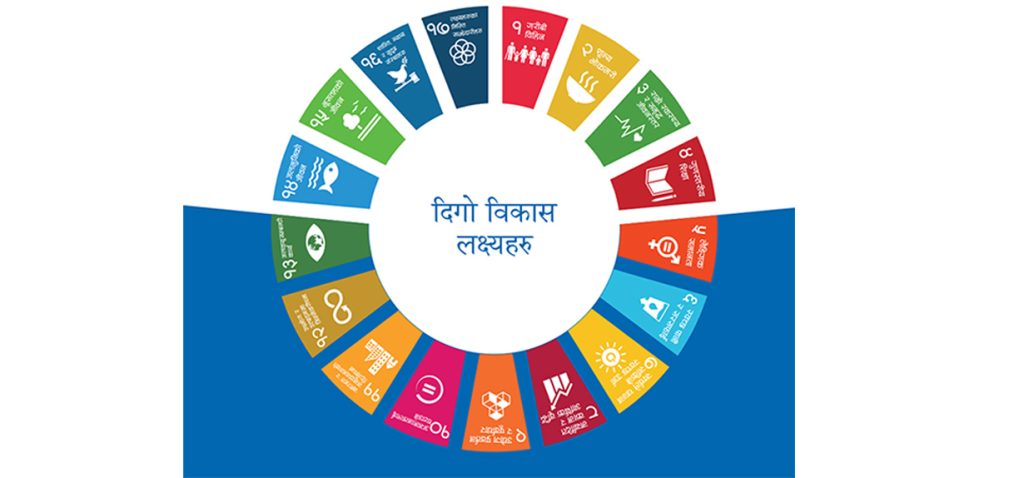
  • उद्योग, नवीनता र पूर्वाधार (लक्ष्य–९): कुल लगानीको २४%, अर्थात् ५२ खर्ब ७ करोड।

  • स्वच्छ ऊर्जामा (लक्ष्य–७): १२% लगानी (२५ खर्ब १४ अर्ब)।

  • गरिबी अन्त्य (लक्ष्य–१): ११% लगानी (२५ खर्ब १५ अर्ब)।

  • शून्य भोकमरी (लक्ष्य–२): वार्षिक १ खर्ब ५८ अर्ब।

  • स्वास्थ्य (लक्ष्य–३): वार्षिक २ खर्ब ६४ अर्ब।

  • गुणस्तरीय शिक्षा (लक्ष्य–४): वार्षिक २ खर्ब ९८ अर्ब।

  • लैङ्गिक समानता (लक्ष्य–५): वार्षिक ६ अर्ब।

  • खानेपानी र सरसफाइ (लक्ष्य–६): वार्षिक १ खर्ब ८२ अर्ब।

  • दिगो सहर र समुदाय (लक्ष्य–११): वार्षिक २ खर्ब २३ अर्ब।

  • जलवायु कार्य (लक्ष्य–१३): वार्षिक २९ अर्ब।

  • शान्ति तथा न्याय (लक्ष्य–१६): वार्षिक २ खर्ब ९५ अर्ब।

स्रोत जुटाउन रणनीति

आयोगले सार्वजनिक, निजी, सहकारी र घरपरिवारबाट लगानी परिचालन गर्ने रणनीति अघि सारेको छ।

  • सार्वजनिक क्षेत्रबाट ५७.५% लगानी जुटाउने,

  • निजी क्षेत्रबाट ३४.३५%,

  • सहकारी तथा गैरसरकारीबाट ४.१८%,

  • घरपरिवारबाट ३.९५% योगदान अपेक्षित छ।

कर प्रणालीको सुधार, राजस्व चुहावट नियन्त्रण, सार्वजनिक–निजी साझेदारी (PPP) प्रवर्द्धन, वैकल्पिक वित्तीय स्रोतको पहिचान तथा वैदेशिक सहायता परिचालनलाई बलियो बनाउनेजस्ता रणनीति आवश्यक रहेको आयोगले औंल्याएको छ।


Nepal is projected to face an annual investment gap of over Rs 755 billion to achieve the Sustainable Development Goals (SDGs) by 2030. According to the National Planning Commission’s newly released report, “Sustainable Development Goals: Needs Assessment, Costing, and Financing Strategy 2081”, an average of Rs 30.24 trillion investment is required annually. However, only Rs 22.69 trillion is expected to be mobilized each year.

This creates an average annual financing gap of Rs 755 billion. The gap is calculated under the assumption of a 6% economic growth rate — if growth falls short, the financing gap will widen further.

The total investment needed between 2024 and 2030 is estimated at Rs 211.65 trillion. However, public, private, cooperative, and non-government sectors together are expected to fall short by Rs 52.85 trillion.

Specifically, the public sector requires Rs 136.47 trillion by 2030, but it will still face a shortfall of Rs 29.81 trillion, averaging Rs 426 billion annually. Similarly, the private sector needs Rs 72.73 trillion, but a gap of Rs 23.04 trillion is expected. Contributions from cooperatives, NGOs, and households have also been projected, but even with these, the overall financial gap remains substantial.

Program Director Anita Paudel from the Commission noted, “The biggest financing gaps are seen in infrastructure, sustainable cities, education, health, and water and sanitation sectors.” She also highlighted that even with a 10% growth in Official Development Assistance (ODA) and Foreign Direct Investment (FDI), the gap would persist.

Sector-wise Investment Requirements

According to the report, Nepal will need to invest around 45.4% of its Gross Domestic Product (GDP) annually to meet the SDGs.

  • Industry, Innovation, and Infrastructure (Goal 9): 24% of the total investment needed, Rs 52 trillion.

  • Clean Energy (Goal 7): 12%, Rs 25.14 trillion.

  • Ending Poverty (Goal 1): 11%, Rs 25.15 trillion.

  • Zero Hunger (Goal 2): Rs 158 billion annually.

  • Good Health and Well-being (Goal 3): Rs 264 billion annually.

  • Quality Education (Goal 4): Rs 298 billion annually.

  • Gender Equality (Goal 5): Rs 6 billion annually.

  • Water and Sanitation (Goal 6): Rs 182 billion annually.

  • Sustainable Cities and Communities (Goal 11): Rs 223 billion annually.

  • Climate Action (Goal 13): Rs 29 billion annually.

  • Peace, Justice, and Strong Institutions (Goal 16): Rs 295 billion annually.

Strategy to Mobilize Resources

To meet the investment requirements, a mixed financing strategy has been outlined:

  • 57.5% of total investment is expected to come from the public sector (with 70% from the federal government, 9% from provinces, and 21% from local governments).

  • 34.35% from the private sector.

  • 4.18% from cooperatives and NGOs.

  • 3.95% from households.

The report stresses the need for reforms like expanding the tax base, integrating non-budgetary expenditures into formal budgeting, enhancing private sector participation, revising tax rates, controlling revenue leakage, and improving cost-effectiveness of public spending.

The Commission also recommends strengthening foreign aid mobilization, promoting Public-Private Partnerships (PPP) and Public-Community Participation (PCP) models, and identifying alternative financial resources at all federal, provincial, and local levels.

Trending News

  • Trending2 Jul, 2026

    नेप्सेको आजको चार्टले के भन्छ : सन्तुलनको धरातलमा उभिएको बजारNEPSE Forms Hammer at Weak Low: Technical Signals Hint at Possible Turnaround, But Confirmation Still Pending

    Read news
  • Trending2 Jul, 2026

    चीनको बेइजिङमा नेपाल लगानी सम्मेलन, २०० भन्दा बढी लगानीकर्ता सहभागी हुनेNepal Investment Conference Begins in Beijing, Over 200 Investors Expected

    Read news
  • Trending2 Jul, 2026

    सरकारको १०० दिनमा आर्थिक सुधारको सकारात्मक संकेत देखिएको दाबीGovernment Claims Early Economic Gains Amid Reform Drive

    Read news

Related News

  • NEPSE Forms Hammer at Weak Low: Technical Signals Hint at Possible Turnaround, But Confirmation Still Pending
    Investor

    3 min read

    नेप्सेको आजको चार्टले के भन्छ : सन्तुलनको धरातलमा उभिएको बजारNEPSE Forms Hammer at Weak Low: Technical Signals Hint at Possible Turnaround, But Confirmation Still Pending

    NEPSE TRADING

    ·

    2 Jul, 2026

  • Nepal Investment Conference Begins in Beijing, Over 200 Investors Expected
    Top

    1 min read

    चीनको बेइजिङमा नेपाल लगानी सम्मेलन, २०० भन्दा बढी लगानीकर्ता सहभागी हुनेNepal Investment Conference Begins in Beijing, Over 200 Investors Expected

    NEPSE TRADING

    ·

    2 Jul, 2026

  • Government Claims Early Economic Gains Amid Reform Drive
    Top

    2 min read

    सरकारको १०० दिनमा आर्थिक सुधारको सकारात्मक संकेत देखिएको दाबीGovernment Claims Early Economic Gains Amid Reform Drive

    NEPSE TRADING

    ·

    2 Jul, 2026

  • Draft Company Law Amendment Proposes Stronger Investment Protection for Infrastructure Projects
    Investor

    1 min read

    कम्पनी ऐन संशोधन मस्यौदामा पूर्वाधार लगानीकर्तालाई नयाँ सुरक्षाDraft Company Law Amendment Proposes Stronger Investment Protection for Infrastructure Projects

    NEPSE TRADING

    ·

    2 Jul, 2026

  • Foreign Exchange Rates: Dollar Selling Rate at Rs 151.76, Kuwaiti Dinar the Most Expensive
    Investor

    1 min read

    विदेशी मुद्रा विनिमय दर : डलरको बिक्री मूल्य १५१.७६ रुपैयाँ, कुवेती दिनार सबैभन्दा महँगोForeign Exchange Rates: Dollar Selling Rate at Rs 151.76, Kuwaiti Dinar the Most Expensive

    Dipesh Ghimire

    ·

    1 Jul, 2026