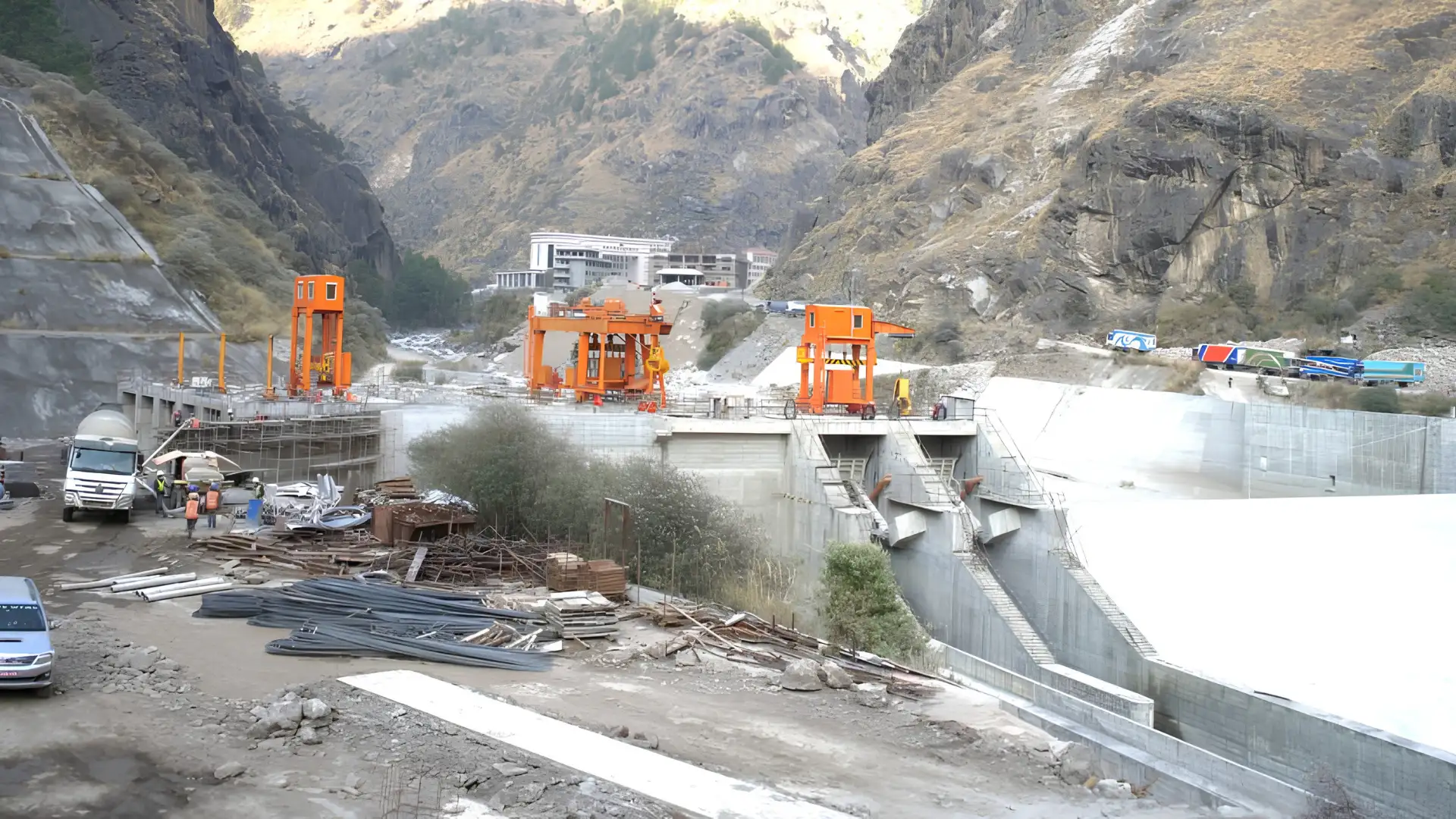
काठमाडौं — नेपालले आन्तरिक उत्पादनबाटै विद्युत् माग धान्दै भारततर्फ उल्लेख्य परिमाणमा बिजुली निर्यात गरेको छ। नेपाल विद्युत् प्राधिकरणका अनुसार कुल ऊर्जा व्यवस्थापन ७३ हजार ६२९ मेगावाट घण्टा पुगेको छ भने भारतबाट विद्युत् आयात गरिएको छैन।
प्राधिकरणले २२ हजार १०२ मेगावाट घण्टा बिजुली निर्यात गरेको जनाएको छ। देशभित्रको कुल विद्युत् खपत भने ५१ हजार ५२७ मेगावाट घण्टा रहेको छ।
विद्युत् उत्पादनमा निजी क्षेत्रको हिस्सा सबैभन्दा ठूलो देखिएको छ। निजी ऊर्जा उत्पादकले प्राधिकरणको प्रणालीमा ४७ हजार ५६३ मेगावाट घण्टा बिजुली उपलब्ध गराएका छन्।
प्राधिकरणका सहायक कम्पनीबाट १७ हजार १०८ मेगावाट घण्टा र आफ्नै आयोजनाबाट आठ हजार ९५९ मेगावाट घण्टा विद्युत् उत्पादन भएको छ।
साँझको उच्च मागका समयमा विद्युत् माग तीन हजार २४८ मेगावाटसम्म पुगेको प्राधिकरणले जनाएको छ।
वर्षाका कारण हालसम्म देशका कुनै पनि क्षेत्रमा विद्युत् आपूर्तिमा उल्लेख्य अवरोध नरहेको प्राधिकरणको भनाइ छ।
सम्भावित अवरोधलाई ध्यानमा राख्दै सातै प्रदेश तथा काठमाडौंमा प्राविधिक र मर्मत टोली तयारी अवस्थामा राखिएको छ। समस्या देखिएलगत्तै विद्युत् सेवा पुनः सञ्चालन गर्न टोली परिचालन गर्ने व्यवस्था गरिएको प्राधिकरणले जनाएको छ।
Kathmandu — Nepal met its electricity requirement entirely through domestic generation while exporting a substantial volume of power to India, according to the Nepal Electricity Authority (NEA).
The total volume of electricity managed in the system reached 73,629 megawatt-hours (MWh). Of this, 51,527 MWh was consumed domestically, while 22,102 MWh was exported.
The NEA said no electricity was imported from India during the period, indicating that domestic generation was sufficient to meet national demand as well as support exports.
Private power producers made the largest contribution to the national grid, supplying 47,563 MWh of electricity.
NEA subsidiary companies generated another 17,108 MWh, while projects directly owned by the authority contributed 8,959 MWh.
Peak electricity demand in the evening reached 3,248 MW, according to the authority.
Despite ongoing rainfall across the country, the NEA said there had been no major disruption to electricity supply.
Technical and maintenance teams have been kept on standby in all seven provincial offices as well as in Kathmandu so that faults can be addressed quickly if disruptions occur.