कतारको राजधानी दोहामा जारी संयुक्त राष्ट्रसङ्घीय भ्रष्टाचारविरुद्धको महासन्धि (UNCAC) का पक्षराष्ट्रहरूको ११औँ सम्मेलनमा नेपालले भ्रष्टाचारविरुद्ध शून्य सहनशीलताको नीति अवलम्बन गर्दै आएको स्पष्ट गरेको छ। सम्मेलनमा नेपालले कानुनी, प्रशासनिक तथा संस्थागत सुधारलाई तीव्र रूपमा कार्यान्वयन गरिरहेको जानकारी दिँदै सुशासन प्रवर्द्धनमा आफ्नो प्रतिबद्धता दोहोर्याएको हो।
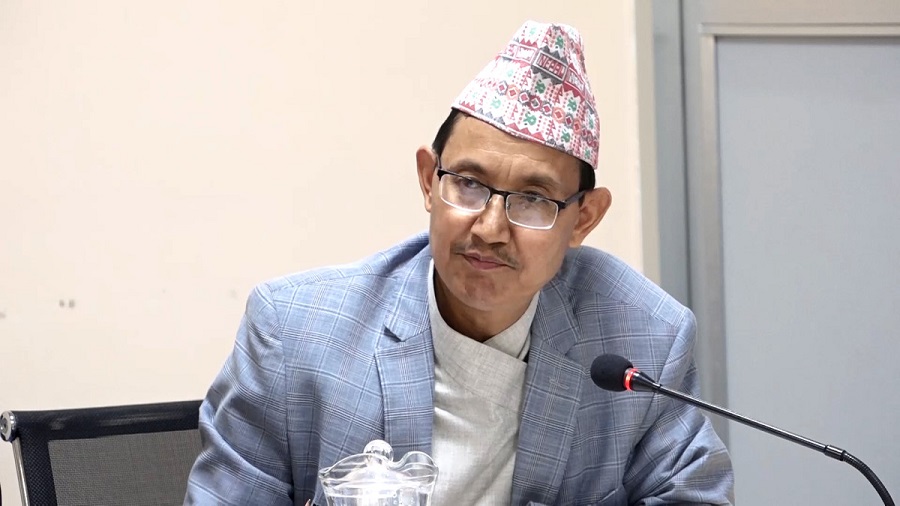
सम्मेलनमा नेपाली प्रतिनिधिमण्डलको नेतृत्व गर्दै प्रधानमन्त्री तथा मन्त्रिपरिषद् कार्यालयका सचिव गोविन्दबहादुर कार्कीले सुशासन र पारदर्शितालाई केन्द्रमा राखेर हाल नेपालमा अन्तरिम सरकार गठन गरिएको उल्लेख गरे। उनले वर्तमान सरकार भ्रष्टाचार नियन्त्रण र सार्वजनिक प्रशासन सुधारका विषयमा दृढतापूर्वक अघि बढिरहेको बताए। उनका अनुसार शासन प्रणालीलाई प्रभावकारी बनाउन नीति, संरचना र कार्यान्वयन तीनै तहमा सुधारलाई प्राथमिकता दिइएको छ।
नेपाल हाल वित्तीय कारबाही कार्यदल (FATF) द्वारा तय गरिएको कार्ययोजनाअन्तर्गतका दायित्वहरू पूरा गर्ने चरणमा रहेको जानकारी पनि सम्मेलनमा गराइएको छ। अवैध आर्थिक गतिविधि नियन्त्रण, वित्तीय प्रणालीको विश्वसनीयता अभिवृद्धि तथा अन्तर्राष्ट्रिय मापदण्डअनुसार सुधार अघि बढाइरहेको नेपालले जनाएको छ।
दोहास्थित नेपाली राजदूतावासका अनुसार सम्मेलनमा सचिव कार्कीले पदको दुरुपयोग, घुसखोरी, सम्पत्ति शुद्धीकरण तथा अवैध सम्पत्ति आर्जनलाई गम्भीर अपराधका रूपमा परिभाषित गर्दै तिनको नियन्त्रणका लागि सरकारले चालेका कदमहरूबारे जानकारी गराएका थिए। उनले यस्ता गतिविधिविरुद्ध कानुनी कारबाहीलाई अझ प्रभावकारी बनाउने दिशामा सरकार केन्द्रित रहेको बताए।
नेपालले संयुक्त राष्ट्रसङ्घीय भ्रष्टाचारविरुद्धको महासन्धिप्रति आफ्नो प्रतिबद्धता निरन्तर कायम राख्दै अन्तर्राष्ट्रिय समुदायसँग सहकार्य बढाउने नीति लिएको पनि सम्मेलनमा स्पष्ट गरिएको छ। सुशासन, पारदर्शिता र उत्तरदायित्वलाई सुदृढ बनाउँदै भ्रष्टाचारविरुद्धको लडाइँलाई संस्थागत रूपमै अगाडि बढाउने नेपाल सरकारको धारणा सम्मेलनमार्फत सार्वजनिक गरिएको हो।