NEPSEtrading

Make smarter moves backed by machine learning. Join thousands of traders leveraging AI to maximize profits.

nepsetrading.com is an online news portal that provides insights into trading and investment by analyzing the stock market and the global economy. We create charts based on the analysis of various indicators. Please do not rely solely on this information for investment decisions. Self-study is crucial. Use this information only as an educational and informational resource.

Marketminds Investment Group Private Limited

DOIB Registration certificate no.: 4680-2081/2082

Director & Editor-in-chief: Dipesh Ghimire · 9802363868, 9851119988

Koteshwor 32, Kathmandu
01-5253221 · +977 9709066745

Contact support

Subscribe to our newsletter

Weekly insights from the NEPSE market in your inbox.

Get the app

Track markets, signals and alerts from your phone.

Get it onGoogle Play

Market

  • Stocks
  • Sectors

Company

  • About Us
  • Our Team
  • Terms of Use
  • Our Policy
  • Training
  • Contact Us

Help

  • Support
  • Report
  • FAQ

© 2026 nepsetrading.com. All rights reserved.
Owned and operated by Marketminds Investment Group Private Limited.

Charts powered by TradingView

  1. News
  2. Education
  3. Risk Management in the Banking Sector: Necessity and Strategies
बैंकिङ क्षेत्रमा जोखिम व्यवस्थापन: आवश्यकता र रणनीतिहरू
Education
2 min read
Published on June 26, 2024
NEPSE trading

बैंकिङ क्षेत्रमा जोखिम व्यवस्थापन: आवश्यकता र रणनीतिहरूRisk Management in the Banking Sector: Necessity and Strategies

जोखिम व्यवस्थापनका प्रकारहरू

१. कर्जा जोखिम

कर्जा जोखिम भन्नाले कर्जा वा सापटी लिने वा दिने कुनै एक पक्षले पूरा गर्नुपर्ने दायित्व पूरा गर्नबाट बञ्चित गराइएको कारण उत्पन्न हुने जोखिमलाई बुझ्नुपर्दछ। कर्जा जोखिम व्यवस्थापनको मुख्य उद्देश्य जोखिमको न्युनिकरण गर्नु र कर्जा जोखिमलाई स्वीकृत मापदण्डभित्र कायम राखेर बैंकको जोखिम समायोजित प्रतिफल दरलाई अधिकतममा पुर्याउनु हो।

२. बजार जोखिम

बजारमा भइरहने परिवर्तनका कारण बैंकमा हुने सम्भावित नोक्सानीलाई बजार जोखिम भनिन्छ। व्याजदर, मुद्रा विनिमय दर, तथा अन्य सम्बन्धित मूल्यहरु नकारात्मक ढंगले प्रभावित हुँदा बैंकको आर्जनमा प्रभाव पर्न जान्छ। बजार जोखिम व्यवस्थापनले बैंकको तरलता, व्याजदर, विदेशी विनिमय लगायत अन्य सम्बन्धित पक्षहरुको मापन, अनुगमन र व्यवस्थापन गर्न मद्दत गर्छ।

३. तरलता जोखिम

बैंकले आफ्नो दायित्व पूरा गर्न रकम जुटाउन नसक्नु वा जुटाउँदा अस्वभाविक दस्तुर तिर्नुपर्ने अवस्थाले तरलता जोखिमको सिर्जना हुन्छ। यस्तो जोखिम व्यवस्थापन गर्न निक्षेप, लगानी, र वासलात बाहिरको दाबीलाई भुक्तानी दिन सहायक हुन्छ।

४. व्याजदर जोखिम

व्याजदरमा परिवर्तन आएर बैंकको नाफा नोक्सान प्रभावित भई वित्तीय स्थिती समेतलाई प्रभावित बनाउँछ। व्याजदर जोखिम व्यवस्थापनको मुख्य उद्देश्य बैंकको आर्जनलाई कायम राख्ने र सम्भावित नोक्सानीलाई ग्रहण गर्न सक्ने क्षमता विकास गर्नु हो।

५. विदेशी विनिमय जोखिम

विदेशी मुद्राको विनिमय दरमा आउने परिवर्तनबाट संस्थाको वित्तीय अवस्थामा पर्न सक्ने असरलाई विदेशी विनिमयसम्बन्धी जोखिम भनिन्छ। यसले गर्दा अनुमान गरिएको सावा रकम तथा लगानीको प्रतिफल प्राप्त गर्न सकिँदैन।

६. सञ्चालन जोखिम

मानवीय गल्ती, वित्तीय जालसाझी, तथा प्राकृतिक प्रकोपका कारण उत्पत्ति हुने जोखिमहरु सञ्चालन जोखिम हुन्। सञ्चालन जोखिमलाई न्युनिकरण गर्न आन्तरिक नियन्त्रण प्रणाली तथा आन्तरिक लेखा परीक्षणलाई अपनाउन सकिन्छ।

जोखिम व्यवस्थापनका रणनीतिहरू

१. जोखिम पहिचान र मूल्यांकन

जोखिम व्यवस्थापनको पहिलो चरण जोखिम पहिचान र मूल्यांकन हो। यस अन्तर्गत जोखिमलाई प्रभाव पार्ने विभिन्न शीर्षकका मौज्दातको पहिचान, पोजिसन निक्र्योल, तथ्यांक संकलन तथा प्रशोधन गर्नुपर्छ।

२. जोखिम नियन्त्रण र अनुगमन

पहिचान गरिएको जोखिमलाई नियन्त्रण गर्न र अनुगमन गर्न प्रभावकारी योजना बनाउनु पर्छ। यसमा बैंकको तरलता, व्याजदर, विदेशी विनिमय लगायतका पक्षहरुको अनुगमन र व्यवस्थापन गर्ने योजना समावेश हुन्छ।

३. जोखिम व्यवस्थापन उपकरणहरूको प्रयोग

बैंकहरुले जोखिम व्यवस्थापनका लागि विभिन्न उपकरणहरूको प्रयोग गर्छन्, जस्तै रिपो, रिभर्स रिपो, सोझै बिक्री, सोझै खरिद, निक्षेप संकलन, र नेपाल राष्ट्र बैंक ऋणपत्र। यी उपकरणहरु मार्फत बैंकहरुले तरलता व्यवस्थापन गर्छन्।

४. सञ्चालन जोखिम न्यूनीकरण

सञ्चालन जोखिमलाई न्युनिकरण गर्न आन्तरिक नियन्त्रण प्रणाली, आन्तरिक लेखा परीक्षण, तथा बीमा प्रक्रियाको प्रयोग गर्न सकिन्छ।

निष्कर्ष

जोखिम व्यवस्थापन भनेको जोखिम बुझेर पूर्ण ज्ञान, स्पष्ट उद्देश्य र समझदारीका साथ मापन र न्युनिकरण गर्न लिइने कार्य हो। यसले संस्थालाई असफल वा प्रतिष्पर्धात्मक अवस्थामा भौतिक रुपले स्विकार गर्न नसकिने नोक्सानी हुनबाट बचाउँछ। बैंकहरुको वित्तीय व्यवस्थापनको लागि जोखिम व्यवस्थापन आवश्यक कार्य हो। यसले संस्थाको अस्तित्वलाई दीगो र स्थिर राख्न मद्दत गर्छ।

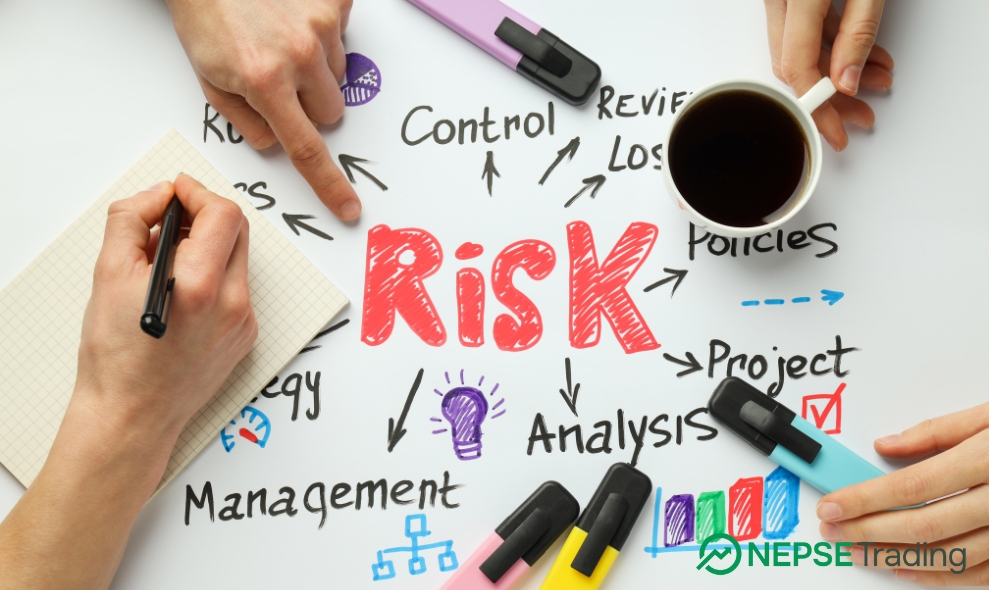
Risk is an inherent part of every aspect of life, especially in the financial sector. Uncertainty in any business and financial behavior is fundamentally driven by risk. The future of banking operations undoubtedly depends on the dynamism of risk management.

Types of Risk Management

1. Credit Risk

Credit risk refers to the risk arising when a borrower fails to meet their obligations. The primary objective of credit risk management is to minimize risk and keep it within acceptable standards, thereby maximizing the bank’s risk-adjusted return rate.

2. Market Risk

Market risk is the potential loss a bank might face due to changes in market conditions. This includes fluctuations in interest rates, exchange rates, and other related prices. Market risk management helps measure, monitor, and manage liquidity, interest rates, foreign exchange, and other related aspects.

3. Liquidity Risk

Liquidity risk arises when a bank is unable to meet its obligations or has to incur unreasonable costs to do so. Managing this risk involves ensuring adequate deposits, investments, and off-balance sheet claims to cover liabilities.

4. Interest Rate Risk

Interest rate risk affects a bank’s profit and financial condition due to changes in interest rates. The primary aim of managing interest rate risk is to maintain the bank’s earnings and develop the capacity to absorb potential losses.

5. Foreign Exchange Risk

Foreign exchange risk refers to the potential impact on a bank’s financial condition due to changes in exchange rates. This risk can result in not receiving the expected principal and returns on investments.

6. Operational Risk

Operational risks arise from human errors, financial fraud, and natural disasters. Reducing operational risk involves adopting internal control systems and internal audits.

Risk Management Strategies

1. Risk Identification and Assessment

The first step in risk management is identifying and assessing risks. This involves identifying various reserves that affect risk, determining positions, and collecting and processing data.

2. Risk Control and Monitoring

Effective plans should be made to control and monitor identified risks. This includes plans to monitor and manage aspects like the bank’s liquidity, interest rates, and foreign exchange.

3. Use of Risk Management Tools

Banks use various tools for risk management, such as repo, reverse repo, outright sale, outright purchase, deposit collection, and Nepal Rastra Bank bonds. These tools help manage liquidity.

4. Reducing Operational Risk

Reducing operational risk involves using internal control systems, internal audits, and insurance processes.

Conclusion

Risk management involves understanding risks and taking actions to measure and minimize them with full knowledge, clear objectives, and understanding. This helps institutions avoid losses that cannot be physically accepted in a competitive or failed state. Risk management is essential for the financial management of banks, helping maintain the institution's sustainability and stability.

Trending News

  • Trending2 Jul, 2026

    नेप्सेको आजको चार्टले के भन्छ : सन्तुलनको धरातलमा उभिएको बजारNEPSE Forms Hammer at Weak Low: Technical Signals Hint at Possible Turnaround, But Confirmation Still Pending

    Read news
  • Trending2 Jul, 2026

    चीनको बेइजिङमा नेपाल लगानी सम्मेलन, २०० भन्दा बढी लगानीकर्ता सहभागी हुनेNepal Investment Conference Begins in Beijing, Over 200 Investors Expected

    Read news
  • Trending2 Jul, 2026

    सरकारको १०० दिनमा आर्थिक सुधारको सकारात्मक संकेत देखिएको दाबीGovernment Claims Early Economic Gains Amid Reform Drive

    Read news

Related News

  • NEPSE Forms Hammer at Weak Low: Technical Signals Hint at Possible Turnaround, But Confirmation Still Pending
    Investor

    3 min read

    नेप्सेको आजको चार्टले के भन्छ : सन्तुलनको धरातलमा उभिएको बजारNEPSE Forms Hammer at Weak Low: Technical Signals Hint at Possible Turnaround, But Confirmation Still Pending

    NEPSE TRADING

    ·

    2 Jul, 2026

  • Nepal Investment Conference Begins in Beijing, Over 200 Investors Expected
    Top

    1 min read

    चीनको बेइजिङमा नेपाल लगानी सम्मेलन, २०० भन्दा बढी लगानीकर्ता सहभागी हुनेNepal Investment Conference Begins in Beijing, Over 200 Investors Expected

    NEPSE TRADING

    ·

    2 Jul, 2026

  • Government Claims Early Economic Gains Amid Reform Drive
    Top

    2 min read

    सरकारको १०० दिनमा आर्थिक सुधारको सकारात्मक संकेत देखिएको दाबीGovernment Claims Early Economic Gains Amid Reform Drive

    NEPSE TRADING

    ·

    2 Jul, 2026

  • Draft Company Law Amendment Proposes Stronger Investment Protection for Infrastructure Projects
    Investor

    1 min read

    कम्पनी ऐन संशोधन मस्यौदामा पूर्वाधार लगानीकर्तालाई नयाँ सुरक्षाDraft Company Law Amendment Proposes Stronger Investment Protection for Infrastructure Projects

    NEPSE TRADING

    ·

    2 Jul, 2026

  • Foreign Exchange Rates: Dollar Selling Rate at Rs 151.76, Kuwaiti Dinar the Most Expensive
    Investor

    1 min read

    विदेशी मुद्रा विनिमय दर : डलरको बिक्री मूल्य १५१.७६ रुपैयाँ, कुवेती दिनार सबैभन्दा महँगोForeign Exchange Rates: Dollar Selling Rate at Rs 151.76, Kuwaiti Dinar the Most Expensive

    Dipesh Ghimire

    ·

    1 Jul, 2026