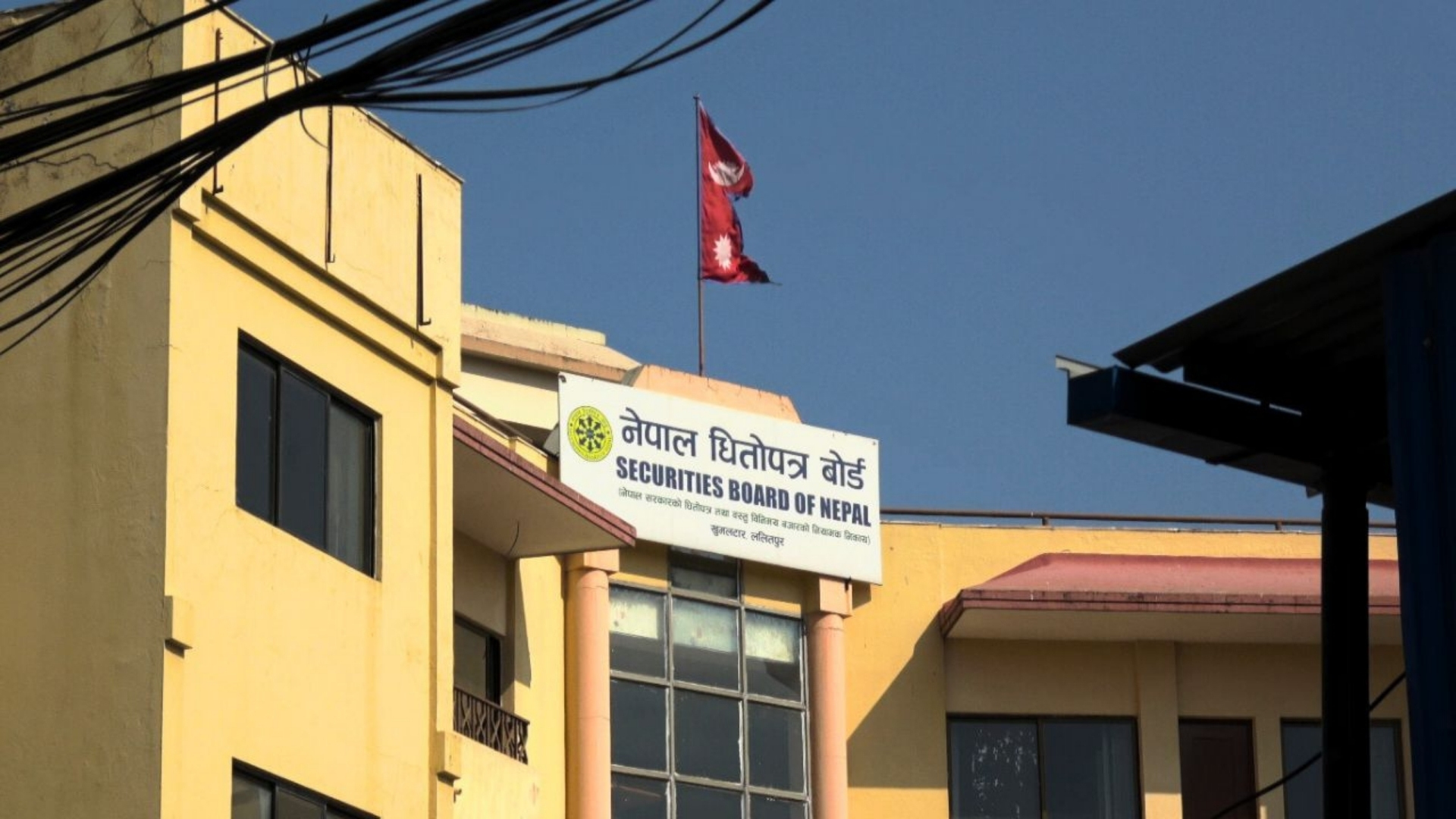
नेपाल धितोपत्र बोर्ड (सेबोन) ले पुँजी बजारलाई थप फराकिलो र सुदृढ बनाउने उद्देश्यले बैंक तथा वित्तीय संस्थाबाहेकका अन्य संगठित संस्थाहरूलाई पनि ऋणपत्र (बन्ड/डिबेन्चर) जारी गर्न दिने तयारी गरेको छ। यसका लागि बोर्डले ‘ऋणपत्र दर्ता तथा निष्काशन नियमावली, २०८३’ को मस्यौदा सार्वजनिक गर्दै सरोकारवालाहरूसँग ७ दिने म्याद राखेर राय तथा सुझाव माग गरेको छ। यो व्यवस्था लागू भएपछि उद्योग र व्यावसायिक कम्पनीहरूले दीर्घकालीन पुँजी जुटाउन बैंक कर्जाकै मात्र भर पर्नुपर्ने अवस्थाको अन्त्य हुनेछ।
प्रस्तावित मस्यौदाअनुसार ऋणपत्र जारी गरेर बजारबाट पुँजी संकलन गर्न चाहने संस्थाको न्यूनतम चुक्ता पुँजी १ अर्ब रुपैयाँ हुनुपर्नेछ। कम्पनीहरूले जथाभावी ऋण उठाएर वित्तीय जोखिम नबढाऊन् भन्ने उद्देश्यले कुल पुँजी संरचनामा ऋण र पुँजीको अनुपात (डेब्ट–इक्विटी रेसियो) ७०:३० भन्दा बढी हुन नहुने सीमा तोकिएको छ। साथै, लगानीकर्ताको सुरक्षालाई ध्यानमा राख्दै ऋणपत्र जारी गर्नुअघि क्रेडिट रेटिङ गराउनुपर्ने र बोर्डबाट अनुमति प्राप्त 'ऋणपत्र ट्रष्टी' (जिम्मा लिने संस्था) अनिवार्य रूपमा नियुक्त गर्नुपर्ने व्यवस्था प्रस्ताव गरिएको छ।
यसैगरी, बैंक र बिमा कम्पनीबाहेकका अन्य व्यावसायिक कम्पनीले लगानीको सुनिश्चितताका लागि सुरक्षणसहितको 'सुरक्षित ऋणपत्र' मात्र जारी गर्न पाउनेछन्। यस्तो ऋणपत्र बढीमा ५० जनासम्मका योग्य लगानीकर्तालाई मात्र लक्षित गरेर (प्राइभेट प्लेसमेन्ट) वा सर्वसाधारणका लागि (पब्लिक इस्यु) जारी गर्न सकिनेछ। जारी भएका ऋणपत्रको दोस्रो बजारमा सहजै खरिदबिक्री गर्नका लागि बोर्डले छुट्टै कारोबार (ट्रेडिङ) प्लेटफर्म वा ओटीसी बजारको विकास गर्ने योजना अघि सारेको छ।
यो नियमावली कार्यान्वयनमा आएपछि नेपालको सेयर बजार 'इक्विटी' (सेयर) मा मात्र सीमित नरही बहु–उपकरणयुक्त (मल्टी–प्रडक्ट) पुँजी बजारमा रूपान्तरण हुने बोर्डको विश्वास छ। मस्यौदाले नेपाली पुँजी बजारमा हरित (ग्रीन), सामाजिक तथा दिगो विकाससँग सम्बन्धित नयाँ प्रकृतिका ऋणपत्र जारी गर्ने र अन्तर्राष्ट्रिय बजारबाट समेत पुँजी ल्याउन सक्ने बाटो खुला गर्नेछ। साथै, संस्थागत ऋणपत्रलाई 'रेपो' कारोबारमा समेत प्रयोग गर्न सकिने व्यवस्थाले बजारमा तरलता व्यवस्थापन गर्न थप मद्दत पुग्ने देखिन्छ।
In a major move to deepen Nepal’s capital market, the Securities Board of Nepal (SEBON) is preparing to allow non-banking and non-financial corporate entities to issue debentures. Releasing the draft of the 'Debenture Registration and Issuance Regulation, 2083,' the regulatory board has sought feedback from stakeholders within seven days. Once implemented, this provision will liberate industrial and commercial enterprises from their traditional, exclusive reliance on bank loans to secure long-term capital.
According to the proposed draft, any entity looking to raise funds through the bond market must have a minimum paid-up capital of Rs 1 billion. To prevent companies from taking on excessive financial risk, the regulation caps the debt-to-equity ratio at 70:30. Furthermore, to safeguard investor interests, issuing companies must undergo mandatory credit ratings and appoint a SEBON-approved 'Debenture Trustee' before floating their bonds.
To ensure investment security, ordinary corporate enterprises—excluding banks and insurance companies—will only be permitted to issue 'secured debentures.' These bonds can be issued either through private placement, targeting a maximum of 50 qualified investors, or via a general public issue. To facilitate the smooth trading of these debt instruments, SEBON also plans to establish a dedicated secondary trading platform or an Over-The-Counter (OTC) market.
SEBON anticipates that this landmark regulation will transform Nepal's financial landscape from an equity-dominated arena into a dynamic, multi-product capital market. The draft also paves the way for issuing innovative instruments like green, social, and sustainable bonds, and opens new avenues to attract international capital. Additionally, the proposal to allow corporate debentures to be used in 'repo' (repurchase agreement) transactions is expected to significantly aid in overall market liquidity management.