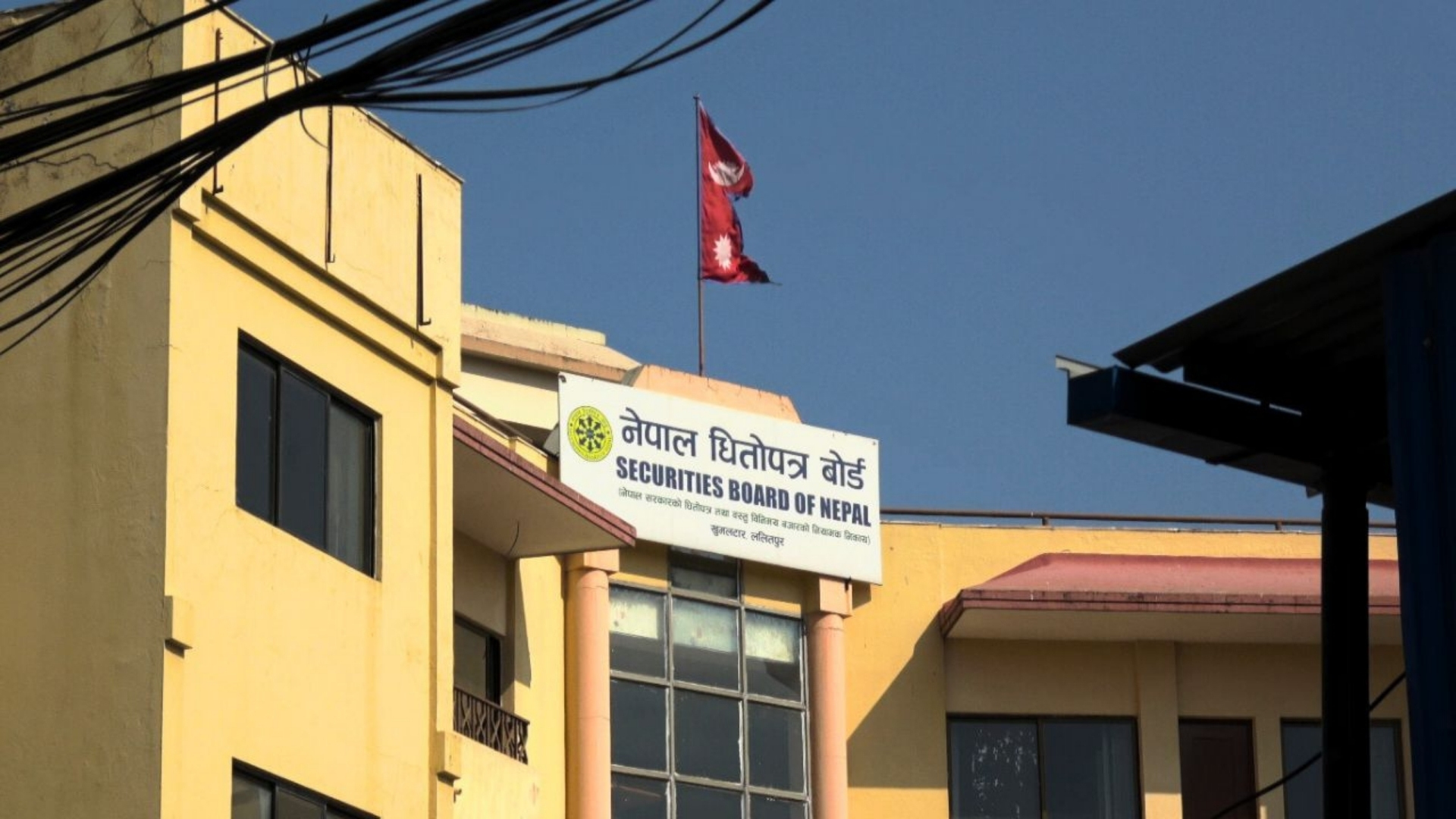
दुई तिहाइ बहुमतसहितको शक्तिशाली सरकारले चालु आर्थिक वर्षको पहिलो महिनामै जनअपेक्षा अनुसारको नतिजा देखाउन सकेको छैन। स्थिर सरकार बनेपछि आर्थिक गतिविधिले गति लिने र बजेट कार्यान्वयन प्रभावकारी हुने अपेक्षा रहे पनि साउन महिनाको राजस्व संकलनको तथ्यांकले विगतकै अस्थिर सरकारहरूको झल्को दिएको छ।
चालु आर्थिक वर्षको साउनमा सरकारले जम्मा ९२ अर्ब २२ करोड रुपैयाँ राजस्व संकलन गरेको छ। यो रकम सरकारको वार्षिक लक्ष्यको ५.८४ प्रतिशत मात्र हो। तथ्यांकअनुसार विगतका चार वर्षमा पनि साउन महिनामा औसत ५ देखि ६ प्रतिशतकै हाराहारीमा मात्र राजस्व उठ्ने गरेको थियो। यसले के देखाउँछ भने, सरकार फेरिएर बलियो बने पनि अर्थतन्त्रको सुरुवाती प्रवृत्तिमा कुनै तात्विक भिन्नता आएको छैन।
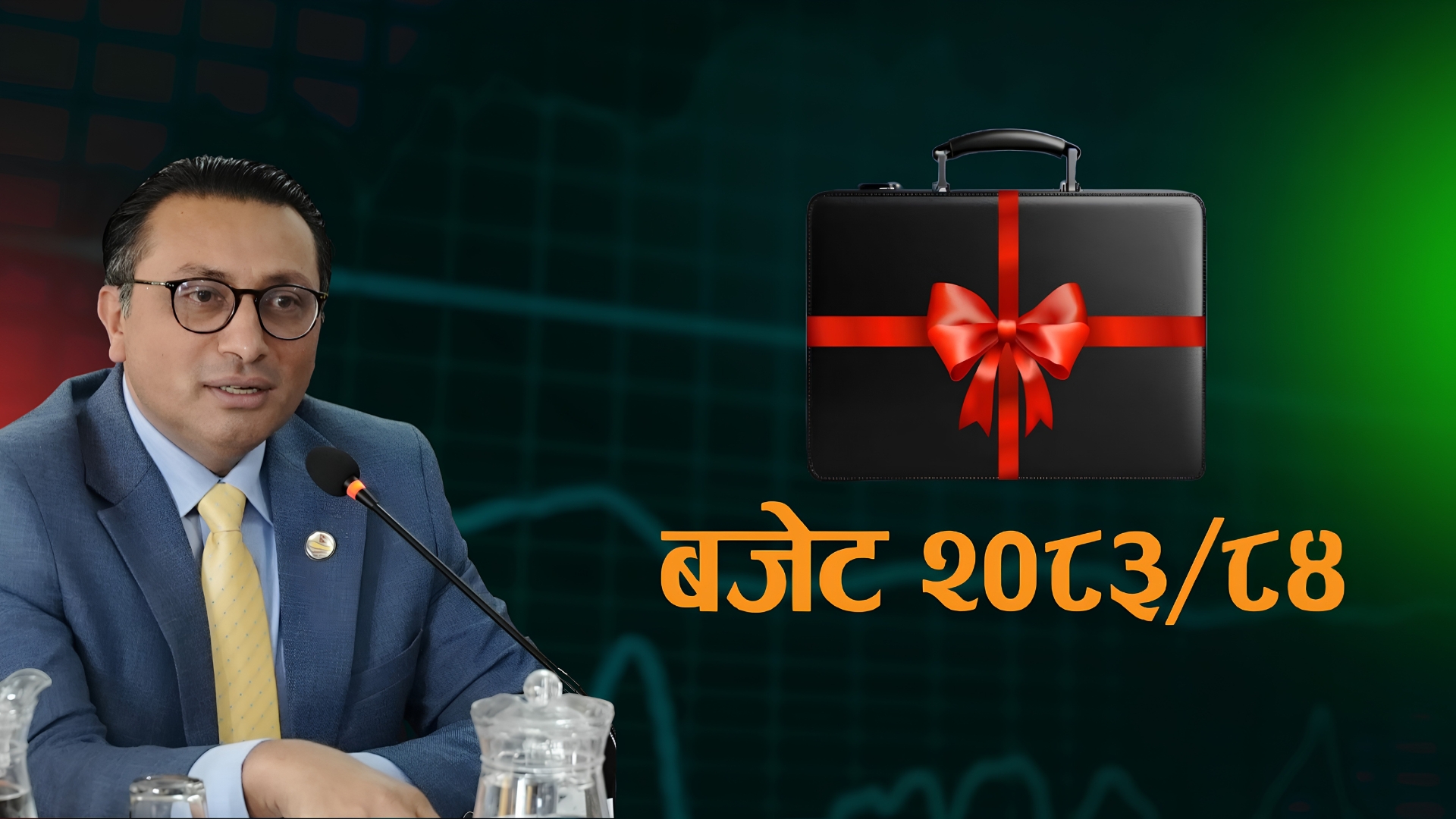
अर्थमन्त्री स्वर्णिम वाग्लेले यस वर्ष २१ खर्ब २४ अर्बको बजेट ल्याउँदै १५ खर्ब ८० अर्ब रुपैयाँ राजस्व उठाउने महत्त्वाकांक्षी लक्ष्य राखेका छन्। यो लक्ष्य भेट्टाउन सरकारले हरेक महिना औसतमा १ खर्ब ३१ अर्ब रुपैयाँभन्दा बढी राजस्व उठाउनुपर्छ। गत वर्ष १२ खर्ब ४१ अर्ब (लक्ष्यको ८४ प्रतिशत) मात्र राजस्व उठेको पृष्ठभूमिमा यस वर्ष करिब २७ प्रतिशतले राजस्व वृद्धि गर्नुपर्ने दबाब सरकारलाई छ। तर, गत वर्षको साउनको तुलनामा यसपटक जम्मा ९ प्रतिशतले मात्रै राजस्व बढेकाले अहिलेकै सुस्त गतिमा वार्षिक लक्ष्य प्राप्ति हुने सम्भावना न्यून देखिन्छ।
राजस्व संकलन कमजोर हुनुको मुख्य जड मुलुकमा हुर्किएको विशाल अनौपचारिक अर्थतन्त्र हो। कुल अर्थतन्त्रमा अनौपचारिक क्षेत्रको हिस्सा ४० प्रतिशतभन्दा माथि रहेको अनुमान छ। भन्सार नाकामा हुने चुहावट, व्यापारी र कर्मचारी संयन्त्रको मिलेमतोका कारण समानान्तर अर्थतन्त्र फस्टाइरहेको छ। राजस्वको भीमकाय लक्ष्य पूरा गर्ने हो भने सरकारले यस्ता अवैध गतिविधिलाई कानुनी दायरामा ल्याई दोषीमाथि निर्मम कारबाही गर्नैपर्ने सरोकारवालाहरू बताउँछन्।
Despite the formation of a powerful government backed by a two-thirds majority, the first month of the current fiscal year has failed to deliver the anticipated economic momentum. While the public expected robust budget implementation from a stable administration, the revenue collection data for the month of Shrawan bears a striking resemblance to the sluggish performance of previous, unstable governments.
In Shrawan, the government collected a total of Rs 92.22 billion in revenue, accounting for a mere 5.84 percent of its annual target. Statistics from the past four years reveal a similar trend, with Shrawan's revenue collection consistently hovering around the 5 to 6 percent mark. This indicates that despite the political shift, the initial economic trajectory remains completely unchanged.
Finance Minister Swarnim Wagle has set an ambitious revenue target of Rs 1.58 trillion to fund a total budget of Rs 2.12 trillion this year. To achieve this, the government must collect an average of Rs 131 billion every month. Considering that only Rs 1.24 trillion (about 84 percent of the target) was collected last year, the state is under immense pressure to boost revenue by nearly 27 percent this year. However, with Shrawan's collection growing by just 9 percent compared to the same month last year, hitting the annual target at this pace appears highly improbable.
The massive scale of the informal economy is identified as the primary culprit behind this weak collection. Experts estimate that the informal sector accounts for over 40 percent of the nation's total economy. A thriving parallel economy—fueled by leakages at customs points and widespread collusion between businesses and state mechanisms—continues to drain the state's coffers. Stakeholders emphasize that unless the government takes uncompromising legal action against these financial irregularities, the colossal revenue targets will remain a distant dream.