NEPSEtrading

Live NEPSE data, charts, broker analysis and portfolio tools for investors in Nepal.

Subscribe to our newsletter

Weekly insights from the NEPSE market in your inbox.

Marketminds Investment Group Private Limited

Registration
DOIB certificate no. 4680-2081/2082
Editor-in-chief
Dipesh Ghimire, Director
9802363868, 9851119988
Office
Koteshwor 32, Kathmandu
Phone
01-5253221, +977 9709066745
Email

Contact support

Market

  • Stocks
  • Sectors

Company

  • About Us
  • Our Team
  • Terms of Use
  • Our Policy
  • Training
  • Contact Us

Help

  • Support
  • Report
  • FAQ

Get the app

Markets, signals and alerts on your phone.

Get it onGoogle Play

More from NEPSE Trading

  • Stock EducationFree share market courses
  • EconomyNepal and world economic data
  • BFIS CompareBank rates, loans and insurance
  • Nepal's CapitalsMutual fund NAV and dividends
  • JobsNepalJobs in Nepal

nepsetrading.com is an online news portal that provides insights into trading and investment by analyzing the stock market and the global economy. We create charts based on the analysis of various indicators. Please do not rely solely on this information for investment decisions. Self-study is crucial. Use this information only as an educational and informational resource.

© 2026 nepsetrading.com. All rights reserved. Owned and operated by Marketminds Investment Group Private Limited.·Charts powered by TradingView

  • Portfolio
  • Explore
  • Calendar
  • Chart
  • Social
  • News
  • Account
  1. News
  2. Stock
  3. Strategic Shift in IMF Lending: Fund Abandons 'One-Size-Fits-All' for Capacity-Based Loan ...

आईएमएफको कर्जा नीतिमा रणनीतिक ‘सिफ्ट’ : कठोर सर्तको साटो देशको क्षमता र यथार्थमा आधारित वित्तीय कार्यक्रमStrategic Shift in IMF Lending: Fund Abandons 'One-Size-Fits-All' for Capacity-Based Loan Conditions

NEPSE TRADINGPublished on September 27, 20262 min read
आईएमएफको कर्जा नीतिमा रणनीतिक ‘सिफ्ट’ : कठोर सर्तको साटो देशको क्षमता र यथार्थमा आधारित वित्तीय कार्यक्रम

विश्व अर्थतन्त्रमा निरन्तर देखिइरहेका अनपेक्षित झट्का र बढ्दो अनिश्चिततालाई सम्बोधन गर्न अन्तर्राष्ट्रिय मुद्रा कोष (आईएमएफ) ले आफ्नो कर्जा प्रवाह र सर्तसम्बन्धी परम्परागत ढाँचामा व्यापक हेरफेर गर्ने भएको छ। ‘वान साइज फिट्स अल’ (सबैलाई एउटै नियम) को कठोर नीतिबाट पछि हट्दै आईएमएफले सदस्य राष्ट्रहरूको वास्तविक क्षमता, राजनीतिक परिस्थिति र आर्थिक यथार्थलाई केन्द्रमा राखेर कर्जा कार्यक्रम डिजाइन गर्ने नयाँ नीति अनुमोदन गरेको छ। सेप्टेम्बर १४ मा आईएमएफको कार्यकारी बोर्डबाट पारित भई सेप्टेम्बर २४ मा सार्वजनिक गरिएको ‘२०२६ रिभ्यु अफ प्रोग्राम डिजाइन एन्ड कन्डिसनालिटी’ ले संकटग्रस्त मुलुकहरूलाई आर्थिक सुधारको बाटोमा डोहोर्‍याउन थप लचिलो र व्यवहारिक दृष्टिकोण अपनाउने मार्गप्रशस्त गरेको छ।

सन् २०१८ देखि २०२४ सम्मको अवधिलाई आधार मानेर गरिएको यस विस्तृत समीक्षाले कोभिड–१९ महामारी, भूराजनीतिक तनाव र विश्वव्यापी वित्तीय दबाबका बेला आईएमएफका कार्यक्रमहरूको प्रभावकारिता मापन गरेको थियो। उक्त अस्थिर अवधिमा आईएमएफको वित्तीय सहायताले धेरै मुलुकलाई भुक्तानी सन्तुलनको चरम सङ्कटबाट त जोगायो, तर निरन्तरका बाह्य झट्का र देशहरूको कमजोर कार्यान्वयन क्षमताका कारण दीर्घकालीन आर्थिक स्थायित्व कायम गर्न भने गम्भीर चुनौती खडा भयो। यही भोगाइको जगमा टेकेर आईएमएफले अब कर्जा कार्यक्रम बनाउँदा देशको आर्थिक अवस्थालाई मात्र नभई सरकारको सुधार लागू गर्न सक्ने वास्तविक क्षमता र सम्भावित राजनीतिक जोखिमलाई समेत मुख्य सूचक मान्ने भएको छ।

नयाँ नीतिको सबैभन्दा महत्त्वपूर्ण पक्ष भनेको कर्जा कार्यक्रमभित्र जोखिम व्यवस्थापनको पूर्वतयारी हो। अब आईएमएफले कार्यक्रम तय गर्दा नै निर्वाचनजस्ता राजनीतिक घटनाक्रम र अन्य आन्तरिक तथा बाह्य झट्काले अर्थतन्त्रमा पार्न सक्ने प्रभावको सूक्ष्म विश्लेषण गर्नेछ। परिस्थितिजन्य जोखिमहरू आएको खण्डमा कर्जा कार्यक्रमलाई बीचमै पुनरावलोकन गरी नयाँ सिराबाट समायोजन गर्न सकिने 'आकस्मिक योजना' (कन्टिन्जेन्सी प्लान) लाई अब अनिवार्य र बलियो बनाइनेछ। यसले गर्दा कुनै एउटा सर्त पूरा नहुँदैमा वा बाह्य कारणले अर्थतन्त्र धर्मराउँदा सिंगो कर्जा कार्यक्रम नै अवरुद्ध हुने विगतको नियति अन्त्य हुने अपेक्षा गरिएको छ।

भुक्तानी सन्तुलनको समस्या समाधान गर्न वित्तीय समायोजनलाई कार्यक्रमको सुरुवाती चरणमै कडाइका साथ लागू गर्नुपर्ने मान्यतामा आईएमएफका अधिकांश कार्यकारी निर्देशकहरू सहमत भए पनि यसमा महत्त्वपूर्ण अपवाद राखिएको छ। न्यून आय भएका, द्वन्द्वग्रस्त वा चरम सङ्कटबाट गुज्रिरहेका मुलुकहरूमा एकैपटक कडा वित्तीय नीति लाद्‍दा त्यसले निम्त्याउन सक्ने गम्भीर सामाजिक मूल्यलाई अब नजरअन्दाज गरिनेछैन। यस्ता संवेदनशील अर्थतन्त्रहरूमा वित्तीय, मौद्रिक र विनिमय दरको नीतिबीच सन्तुलन कायम गर्दै सामाजिक सुरक्षामा आँच नआउने गरी सावधानीपूर्वक सुधारका कार्यक्रम लागू गरिने नीति आईएमएफले लिएको छ।

यसका साथै, आईएमएफले अनावश्यक र असम्बन्धित सर्तहरूको भारी बोकाउने विगतको प्रवृत्तिको अन्त्य गर्दै ‘संरचनागत सुधार’ लाई अब कडा प्राथमिकीकरण गर्ने भएको छ। अर्थतन्त्रको स्थायित्व र भुक्तानी सन्तुलनका लागि नभई नहुने अत्यावश्यक सुधारहरूलाई मात्र छानेर कर्जा कार्यक्रमसँग जोडिनेछ। यसका लागि ‘मिडियम टर्म स्ट्रक्चरल रिफर्म स्ट्राटेजी’ लाई परीक्षणका रूपमा अघि सार्दै कुन सुधार पहिला गर्ने र त्यसका लागि आवश्यक प्राविधिक सहयोग कसरी जुटाउने भन्ने स्पष्ट खाका तयार गरिनेछ। आईएमएफको यो सहायताले देशको आन्तरिक सुधारलाई पन्छाउने नभई थप वैदेशिक र बजारमुखी वित्तीय स्रोत (क्याटालिटिक रोल) जुटाउन उत्प्रेरकको काम गर्नुपर्नेमा जोड दिइएको छ।

आईएमएफको यो रणनीतिक परिवर्तन तत्काल सबै मुलुकमा एकमुस्ट लागू हुनेछैन। सुरुवाती चरणमा नयाँ विश्लेषणात्मक उपकरण र सञ्चालन मार्गदर्शन तयार गरी चरणबद्ध रूपमा यसको कार्यान्वयन गरिनेछ। विशेषगरी कमजोर प्रशासनिक क्षमता भएका विकासशील मुलुकहरूमाथि थप बोझ नपर्ने गरी जोखिममा आधारित समानुपातिक दृष्टिकोण अपनाइने आईएमएफले स्पष्ट पारेको छ। बदलिँदो विश्व अर्थतन्त्रमा ऋण दिगोपना र समष्टिगत आर्थिक निगरानीलाई थप प्रभावकारी बनाउन ल्याइएको यो नीतिगत सिफ्टले नेपालजस्ता आईएमएफको कर्जा र परामर्शमा निर्भर साना अर्थतन्त्रहरूलाई आफ्नै मौलिकता र क्षमताअनुसारको आर्थिक सुधार गर्न महत्त्वपूर्ण राहत दिने देखिन्छ।
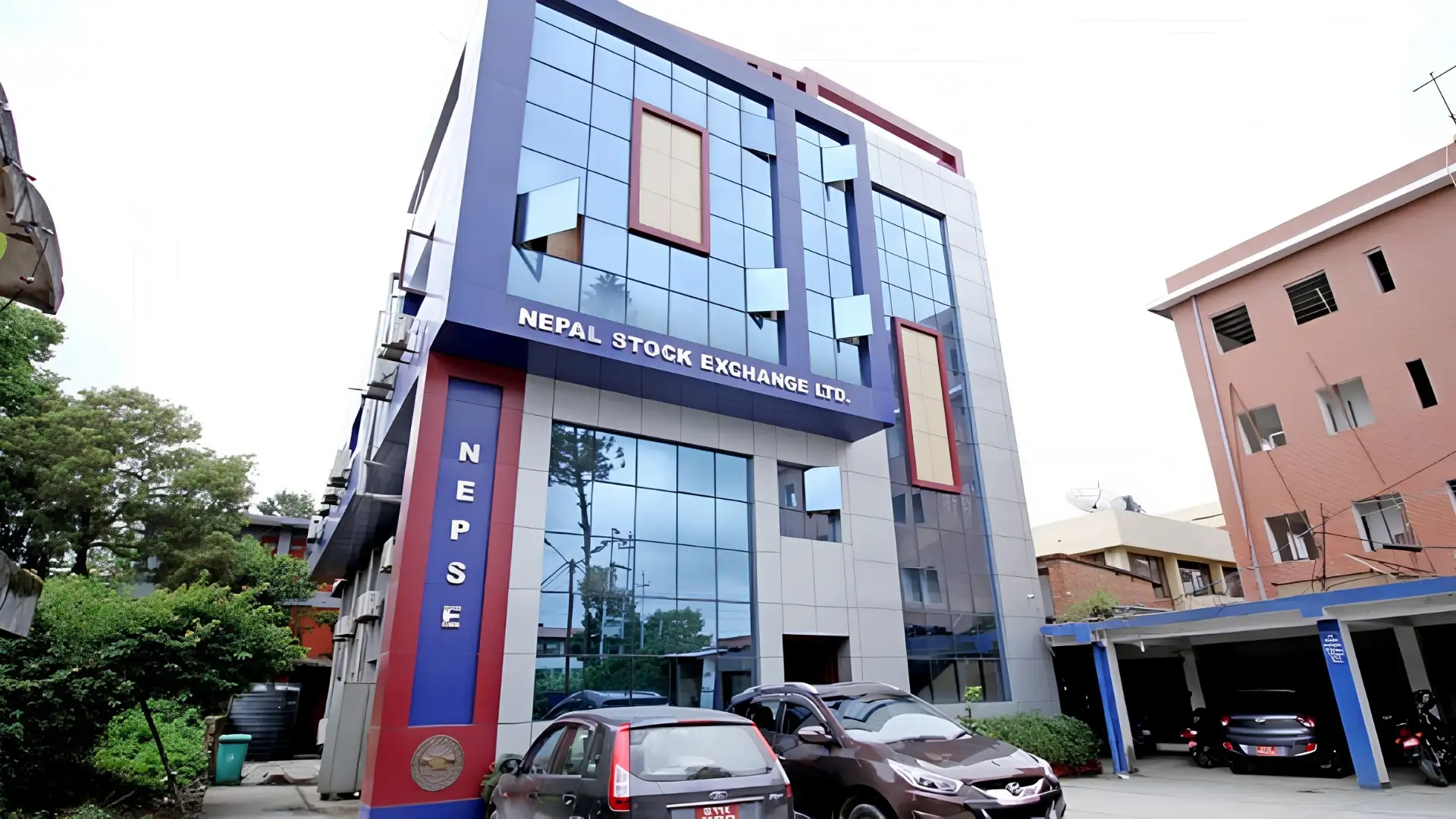

KATHMANDU: In a significant departure from its traditionally rigid lending frameworks, the International Monetary Fund (IMF) has announced a sweeping overhaul of its program design and conditionality. Recognizing the realities of an increasingly volatile global economy and the frequency of external shocks, the Fund is shifting away from its strict "one-size-fits-all" approach. Instead, it has adopted a new policy that tailors financial rescue packages to the actual implementation capacities and political realities of borrowing nations.

The strategic pivot, outlined in the "2026 Review of Program Design and Conditionality"—approved by the IMF Executive Board on September 14 and made public on September 24—aims to make future bailout programs more realistic, flexible, and adaptive. The overhaul is rooted in lessons learned from a comprehensive review of IMF-supported programs between 2018 and 2024. During this tumultuous period marked by the Covid-19 pandemic, geopolitical fragmentation, and tightening financial conditions, IMF interventions successfully averted immediate balance-of-payments crises. However, the review acknowledged that recurrent shocks and weak institutional capacities often hindered borrowing countries from achieving medium-term economic stability.

A central pillar of the revamped policy is the institutionalization of proactive risk management and contingency planning. Rather than assuming a seamless rollout of reforms, future IMF programs will systematically analyze potential derailment risks, including domestic political events such as upcoming elections. By embedding robust contingency plans into the foundational design of its loans, the IMF aims to ensure that unforeseen shocks trigger timely program adjustments rather than abrupt suspensions or failures.

While IMF Executive Directors largely agreed that early fiscal adjustment remains necessary to resolve severe balance-of-payments deficits, the new framework introduces crucial caveats regarding austerity. Acknowledging the heavy social toll of sudden fiscal tightening, the IMF will no longer push for aggressive, front-loaded austerity as a blanket rule. Particularly for low-income nations and fragile, conflict-affected states, the Fund will adopt a more calibrated approach. The new strategy emphasizes a careful balance among fiscal, monetary, and exchange-rate policies to ensure that economic stabilization does not come at the cost of severe social disruption.

Furthermore, the IMF is addressing long-standing criticisms of its tendency to overburden borrowing nations with excessive conditionalities. Moving forward, structural reforms will be strictly prioritized. Rather than packing programs with exhaustive lists of policy changes, the Fund will focus exclusively on reforms that are critical to resolving balance-of-payments issues and securing macroeconomic stability. To facilitate this, the IMF plans to pilot a "Medium-Term Structural Reform Strategy," which will help sequence necessary reforms and align them with targeted technical assistance.

The IMF also reiterated that its lending should serve a "catalytic role"—acting as an anchor to mobilize additional external and market-based financing. However, to achieve this, borrowing countries must formulate credible fiscal strategies and maintain transparent debt management practices.

The rollout of these sweeping changes will not be immediate. To avoid overwhelming countries that already possess limited administrative capacity, the IMF plans a phased, risk-based implementation. Initial steps will involve developing new operational guidelines and analytical tools before the reforms are gradually integrated into country-level programs. For smaller, developing economies that frequently rely on multilateral financial support, this policy shift signals a welcome transition toward more pragmatic, customized, and country-owned paths to economic recovery.

Trending News

  • नाफा सुरक्षित गर्ने होडले नेप्सेमा १०.८९ अंकको विश्राम, प्राविधिक सूचक भन्छन्— 'बजार अझै सुरक्षित जोनमै'Profit-Booking Triggers a 10.89-Point Pause in NEPSE; Technical Indicators Signal Market Remains in a Safe Zone

    NEPSE TRADING26 Nov, 2026

  • मनि वर्ल्ड सेक्युरिटिज तीन दिनका लागि निलम्बितMoney World Securities Suspended for Three Days

    NEPSE TRADING26 Nov, 2026

  • दुई जलविद्युत् कम्पनीको आईपीओ पाइपलाइनमा, ८० लाख ७७ हजार कित्ता सेयर आउनेTwo Hydropower Companies in IPO Pipeline to Issue Over 8 Million Shares

    NEPSE TRADING26 Nov, 2026

Related News

  • नाफा सुरक्षित गर्ने होडले नेप्सेमा १०.८९ अंकको विश्राम, प्राविधिक सूचक भन्छन्— 'बजार अझै सुरक्षित जोनमै'Profit-Booking Triggers a 10.89-Point Pause in NEPSE; Technical Indicators Signal Market Remains in a Safe Zone
  • मनि वर्ल्ड सेक्युरिटिज तीन दिनका लागि निलम्बितMoney World Securities Suspended for Three Days
  • दुई जलविद्युत् कम्पनीको आईपीओ पाइपलाइनमा, ८० लाख ७७ हजार कित्ता सेयर आउनेTwo Hydropower Companies in IPO Pipeline to Issue Over 8 Million Shares
  • ३० हजार मेगावाट लक्ष्य पूरा गर्न नयाँ ऊर्जा मिश्रणको खाका बन्दैNew Energy Mix Framework Underway to Meet 30,000 MW Target
  • दुई कम्पनीको लाभांश सुरक्षित गर्ने आज अन्तिम दिनLast Day Today to Secure Dividends of Two Companies