NEPSEtrading

Live NEPSE data, charts, broker analysis and portfolio tools for investors in Nepal.

Subscribe to our newsletter

Weekly insights from the NEPSE market in your inbox.

Marketminds Investment Group Private Limited

Registration
DOIB certificate no. 4680-2081/2082
Editor-in-chief
Dipesh Ghimire, Director
9802363868, 9851119988
Office
Koteshwor 32, Kathmandu
Phone
01-5253221, +977 9709066745
Email

Contact support

Market

  • Stocks
  • Sectors

Company

  • About Us
  • Our Team
  • Terms of Use
  • Our Policy
  • Training
  • Contact Us

Help

  • Support
  • Report
  • FAQ

Get the app

Markets, signals and alerts on your phone.

Get it onGoogle Play

More from NEPSE Trading

  • Stock EducationFree share market courses
  • EconomyNepal and world economic data
  • BFIS CompareBank rates, loans and insurance
  • Nepal's CapitalsMutual fund NAV and dividends
  • JobsNepalJobs in Nepal

nepsetrading.com is an online news portal that provides insights into trading and investment by analyzing the stock market and the global economy. We create charts based on the analysis of various indicators. Please do not rely solely on this information for investment decisions. Self-study is crucial. Use this information only as an educational and informational resource.

© 2026 nepsetrading.com. All rights reserved. Owned and operated by Marketminds Investment Group Private Limited.·Charts powered by TradingView

  • Portfolio
  • Explore
  • Calendar
  • Chart
  • Social
  • News
  • Account
  1. News
  2. Stock
  3. SEBON’s Institutional Investor Policy: A Strategic Push to Stabilize Nepal’s Volatile Capi...

पुँजी बजारको स्थायित्वका लागि संस्थागत लगानीकर्ता भित्र्याउने दाउ: सेबोनले ल्यायो कडा अनुपालन र सीमासहितको नीतिSEBON’s Institutional Investor Policy: A Strategic Push to Stabilize Nepal’s Volatile Capital Market

NEPSE TRADINGPublished on October 16, 20262 min read
पुँजी बजारको स्थायित्वका लागि संस्थागत लगानीकर्ता भित्र्याउने दाउ: सेबोनले ल्यायो कडा अनुपालन र सीमासहितको नीति

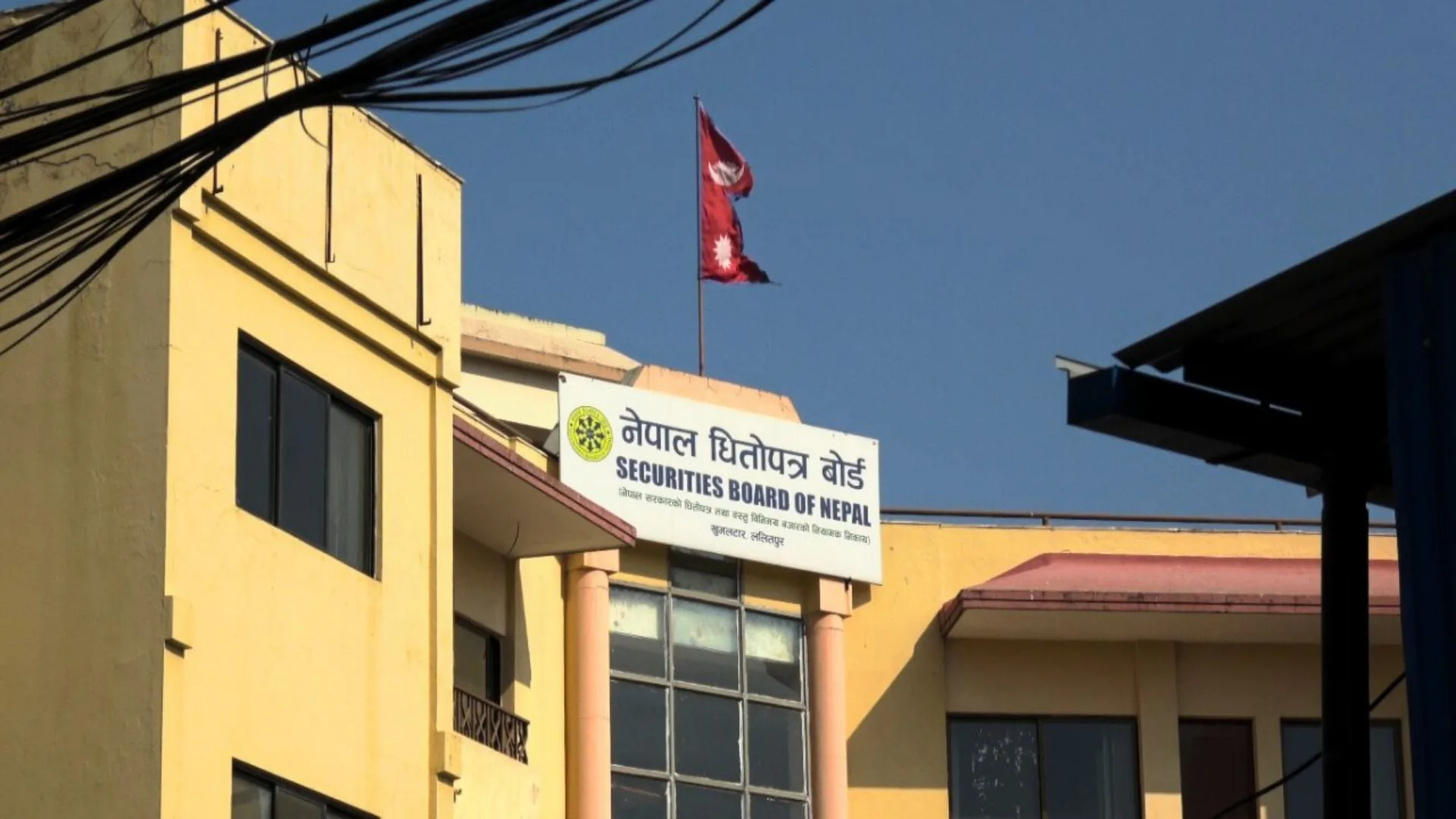
नेपालको सेयर बजार लामो समयदेखि साना र अल्पकालीन फाइदा खोज्ने व्यक्तिगत लगानीकर्ताको चापमा चल्दै आएको छ, जसका कारण बजारमा बारम्बार अस्वाभाविक उतारचढाव र अस्थिरता देखिने गरेको छ। यही संरचनात्मक कमजोरीलाई सुधार्दै धितोपत्र बजारलाई परिपक्व, सन्तुलित र विश्वसनीय बनाउने लक्ष्यका साथ नेपाल धितोपत्र बोर्ड (सेबोन) ले ‘संस्थागत लगानीकर्ता नीति, २०८३’ को मस्यौदा सार्वजनिक गरेको छ। कर्मचारी सञ्चय कोष, नागरिक लगानी कोष, सामाजिक सुरक्षा कोष, बैंक तथा वित्तीय संस्था र बीमा कम्पनीहरूमा थुप्रिएको अर्बौँ रुपैयाँको दीर्घकालीन पुँजीलाई बजारमा योजनाबद्ध ढङ्गले परिचालन गरी मूल्य निर्धारण प्रक्रियालाई पारदर्शी बनाउनु नीतिको मूल ध्येय देखिन्छ।

नयाँ नीतिले संस्थागत लगानीकर्तालाई कुनै एउटै कम्पनीमा हैकम जमाउन वा अत्यधिक जोखिम लिनबाट रोक्न कडा सीमा तोकेको छ। मस्यौदाअनुसार संस्थागत लगानीकर्ताले कुनै एक सूचीकृत कम्पनीको सेयरमा आफ्नो कुल लगानी सम्पत्तिको अधिकतम ३ देखि ५ प्रतिशतभन्दा बढी लगानी गर्न पाउने छैनन्। यसका साथै, कुनै एउटै क्षेत्रमा मात्र सम्पूर्ण पुँजी केन्द्रित भई प्रणालीगत जोखिम नबढोस् भन्नका लागि क्षेत्रगत लगानीको प्रारम्भिक सीमा २० देखि २५ प्रतिशतभित्र सीमित गर्ने प्रस्ताव गरिएको छ। संस्थागत कोषको सुरक्षाका लागि कुल सम्पत्तिको १५ देखि ३० प्रतिशतसम्म सेयर बजारमा र बाँकी पुँजी सरकारी धितोपत्र (२०-३०%), मुद्दती निक्षेप (१०-२०%), डिबेन्चर तथा पूर्वाधार परियोजनामा बाँडफाँड गर्नुपर्ने रणनीतिक लगानी मार्गदर्शनसमेत तयार पारिएको छ।

सेबोनले संस्थागत लगानीकर्ताको प्रकृति र दायित्वका आधारमा उनीहरूलाई पाँच फरक वर्गमा विभाजन गरेको छ। जसमा इजाजतप्राप्त बैंकिङ क्षेत्र, दीर्घकालीन सामाजिक बचत कोषहरू, बीमा कम्पनीहरू, सामूहिक लगानी कोष (म्युचुअल फन्ड) तथा ईटीएफ, र विदेशी वा रणनीतिक कोषहरू रहेका छन्। तर, संस्था भएकै आधारमा बजारमा विशेषाधिकार भने पाइने छैन। बोर्डमा दर्ता हुनका लागि संस्थाहरूले लेखापरीक्षण गरिएको वित्तीय विवरण, सञ्चालक समितिबाट स्वीकृत लगानी नीति, आन्तरिक नियन्त्रण प्रणाली र स्वार्थको द्वन्द्व (कन्फ्लिक्ट अफ इन्ट्रेस्ट) निवारणसम्बन्धी स्पष्ट खाका पेस गर्नुपर्नेछ। यस व्यवस्थाले बजारमा संस्थागत आवरणमा हुन सक्ने भित्री कारोबार (इन्साइडर ट्रेडिङ) र अनैतिक चलखेललाई रोक्ने अपेक्षा गरिएको छ।

यस नीतिको अर्को महत्त्वपूर्ण आयाम संस्थागत लगानीकर्ताका लागि अनिवार्य गरिएको ‘स्ट्रेस टेस्ट’ र पारदर्शी प्रतिवेदन प्रणाली हो। सेयर बजार २०, ३० वा ४० प्रतिशतसम्म घट्दा, ब्याजदरमा ३०० आधारबिन्दुको फेरबदल हुँदा वा ३० दिनसम्म तरलता अवरुद्ध हुँदा संस्थाको वित्तीय स्वास्थ्यमा कस्तो असर पर्छ भन्नेबारे संस्थाहरूले कम्तीमा त्रैमासिक रूपमा तनाव परीक्षण गर्नुपर्नेछ। यसका साथै, उनीहरूले आफ्ना पोर्टफोलियो, जोखिम सूचक र सेयर-ऋणपत्रको विवरण सार्वजनिक रूपमा खुलाउनुपर्नेछ भने सेबोनले केन्द्रीकृत सुपरिवेक्षण प्रणालीमार्फत अस्वाभाविक कारोबारमाथि चौबीसै घण्टा निगरानी राख्ने व्यवस्था मिलाउने भएको छ।

बजारमा प्रवेश पाएका संस्थागत लगानीकर्तालाई सुरुवाती चरणमा सट्टेबाजी प्रकृतिका कारोबार गर्न कडाइका साथ प्रतिबन्ध लगाइएको छ। संस्थागत कोषको सुरक्षालाई ध्यानमा राख्दै प्रारम्भिक चरणमा मार्जिन लेन्डिङ (ऋण लिएर सेयर किन्ने) सुविधा उपलब्ध गराइने छैन। त्यस्तै, नाङ्गो सर्ट सेलिङ (अनकभर्ड सर्ट सेलिङ) पूर्ण रूपमा प्रतिबन्धित हुनेछ भने कभर्ड सर्ट सेलिङ र धितोपत्र सापटी कारोबारलाई भने चरणबद्ध रूपमा अनुमति दिइनेछ। भविष्यमा यी संस्थाहरूलाई बजार निर्माता (मार्केट मेकर) का रूपमा विकास गरी सेयर बजारमा मन्दी आएका बेलासमेत तरलता प्रवाह गर्ने बलियो खम्बा बनाउने रणनीति बोर्डको छ।

यो नीतिलाई हतारमा पूर्ण रूपमा लागू गर्नुको सट्टा सुरुमा १२ महिनाको ‘पाइलट प्रोग्राम’ सञ्चालन गर्ने प्रस्ताव गरिएको छ। यस अवधिमा बैंक, बीमा र बचत कोषहरूको सहभागितामा कारोबार, प्रतिवेदन प्रणाली र तरलता व्यवस्थापनको व्यावहारिक अभ्यास गरिनेछ। नीति कार्यान्वयनका लागि नेपाल राष्ट्र बैंक, नेपाल बीमा प्राधिकरण, अर्थ मन्त्रालय, नेप्से र सीडीएससी सम्मिलित उच्चस्तरीय समन्वय समिति गठन गरिनेछ। राष्ट्रिय बचत र पेन्सन कोषलाई जलविद्युत्, विद्युत् प्रसारण, हरित ऊर्जा, पर्यटन र उत्पादनमूलक उद्योगमा दीर्घकालीन पुँजीका रूपमा ढाल्न सके यसले सेयर बजारलाई परिपक्व बनाउनुका साथै समग्र राष्ट्रिय अर्थतन्त्रको विकासमा ठूलो योगदान पुर्‍याउने देखिन्छ।

Nepal’s secondary market has long been dominated by short-term retail trading, rendering the capital market highly susceptible to extreme volatility and speculative price manipulation. To address these structural frailties and foster market depth, the Securities Board of Nepal (SEBON) has published the draft of the 'Institutional Investor Policy 2083' for public consultation. The policy seeks to systematically channel billions of rupees locked in institutional funds—such as the Employees' Provident Fund (EPF), Citizen Investment Trust (CIT), Social Security Fund (SSF), commercial banks, and insurance companies—into productive equity and debt instruments while establishing transparent price discovery.

To prevent institutional dominance and manage systemic risk, the draft framework proposes strict portfolio exposure limits. Institutional investors will be capped at holding no more than 3% to 5% of their total investment assets in a single listed company. Furthermore, sectoral exposure is capped at 20% to 25% to avoid over-concentration in specific industries. Under the indicative strategic asset allocation guidelines, institutions are encouraged to maintain:

  • 20–30% in government securities

  • 10–20% in bank fixed deposits

  • 10–20% in corporate bonds and debentures

  • 15–30% in listed securities

  • 5–10% in mutual funds and ETFs

  • 5–10% in infrastructure projects

  • 0–5% in SMEs and alternative investments

The policy categorizes institutional investors into five distinct tiers:

  1. Tier 1: Central bank-licensed commercial banks, development banks, and finance companies.

  2. Tier 2: Long-term contractual saving funds (EPF, CIT, SSF, pension funds).

  3. Tier 3: Life, non-life, reinsurance, and micro-insurance companies.

  4. Tier 4: Mutual funds, investment companies, ETFs, index funds, and REITs.

  5. Tier 5: Sovereign funds, development finance institutions (DFIs), and foreign institutional investors.

Institutional status alone will not grant automatic market privileges. Eligibility requires submitting audited financial statements, board-approved investment policies, risk management frameworks, and clear conflict-of-interest mitigation protocols—a step designed to curb insider trading and unethical market collusion.

A cornerstone of the proposed framework is mandatory quarterly stress testing and enhanced transparency mechanisms. Institutions will be required to simulate their financial resilience against severe market shocks, including:

  • Equity market declines of 20%, 30%, and 40%

  • Interest rate shifts of up to 300 basis points

  • Prolonged liquidity freezes lasting up to 30 days

Alongside quarterly public disclosures of portfolio allocations and risk indicators, SEBON plans to deploy a centralized supervision system to monitor real-time trading volumes, beneficial ownership, and unusual transactions.

To safeguard institutional capital from speculative erosion, initial trading activities will face strict boundaries. Institutions will be barred from margin-financed trading and uncovered short selling during the rollout phase. Covered short selling and securities lending/borrowing will be introduced incrementally under specialized risk criteria. The long-term roadmap envisions transforming these institutions into official market makers, providing liquidity buffers and counter-cyclical buying during market downturns.

Rather than an immediate full-scale rollout, SEBON has proposed a 12-month pilot program involving selected banks, insurers, and contractual funds to test transaction procedures, reporting pipelines, and liquidity management. A high-level coordination committee comprising SEBON, Nepal Rastra Bank, the Nepal Insurance Authority, the Ministry of Finance, NEPSE, and CDSC will oversee the rollout. By redirecting long-term domestic savings into hydropower, transmission infrastructure, renewable energy, tourism, and manufacturing, the policy aims to transition Nepal's stock market from a retail-driven speculative environment into a mature engine for national economic development.

Trending News

  • लगातार तेस्रो दिन नेप्सेमा हरियाली, सूचकसँगै कारोबार रकममा पनि उत्साहNEPSE Extends Winning Streak to Third Day, Turnover Crosses Rs 6.14 Billion

    NEPSE TRADING25 Nov, 2026

  • चार महिनामा वैदेशिक व्यापार साढे ९ खर्ब नजिक, व्यापार घाटा करिब पौने ७ खर्बForeign Trade Nears Rs 950 Billion in Four Months, Deficit Hits Rs 669 Billion

    NEPSE TRADING25 Nov, 2026

  • आईपीओ निष्काशनको प्रस्ताव पारित गर्न हिमालयन इनर्जीले बोलायो साधारण सभाHimalayan Energy Calls AGM to Endorse IPO Issuance Proposal

    NEPSE TRADING25 Nov, 2026

Related News

  • लगातार तेस्रो दिन नेप्सेमा हरियाली, सूचकसँगै कारोबार रकममा पनि उत्साहNEPSE Extends Winning Streak to Third Day, Turnover Crosses Rs 6.14 Billion
  • चार महिनामा वैदेशिक व्यापार साढे ९ खर्ब नजिक, व्यापार घाटा करिब पौने ७ खर्बForeign Trade Nears Rs 950 Billion in Four Months, Deficit Hits Rs 669 Billion
  • आईपीओ निष्काशनको प्रस्ताव पारित गर्न हिमालयन इनर्जीले बोलायो साधारण सभाHimalayan Energy Calls AGM to Endorse IPO Issuance Proposal
  • तेह्रथुम पावरको नवौँ वार्षिक साधारण सभा पुस १८ माTerhathum Power Company Calls 9th AGM for Poush 18
  • नागरिक स्टक डिलरको सातौँ वार्षिक साधारण सभा पुस १७ माNagarik Stock Dealer's 7th AGM Scheduled for Poush 17