बचतको महत्व र यसका उपायहरूThe Importance of Saving and Ways to Achieve It
आफ्नो आम्दानीबाट खर्च कटाएर जोगाइएको रकम नै बचत हो। नेपाल राष्ट्र बैंकका अनुसार, भविष्यका आवश्यकता, वित्तीय लक्ष्य र अनिश्चित खर्चहरूलाई ध्यानमा राखेर सञ्चित गरिएको रकमले परिवारको आर्थिक सुरक्षामा महत्वपूर्ण भूमिका खेल्छ। बचतले भविष्यमा योजनाअनुसार खर्च गर्न, वित्तीय लक्ष्य पूरा गर्न, आकस्मिक खर्चको सामना गर्न सक्षम बनाउनुका साथै सुरक्षित महसुस गराउँछ।
नेपाल राष्ट्र बैंकले आवश्यकता र चाहनाबीचको फरक बुझेर आम्दानीको सही व्यवस्थापन गर्न सके सीमित स्रोतबाट पनि अधिकतम लाभ लिन सकिने जनाएको छ। अत्यावश्यक खर्च, योजनाअनुसारका अन्य खर्च, कर्जाको किस्ता भुक्तानी, लगानी र भविष्यका विविध आवश्यकताका लागि बचत गर्नाले वित्तीय आवश्यकताहरू सहजै पूर्ति गर्न सकिन्छ।
बचतका फाइदाहरू
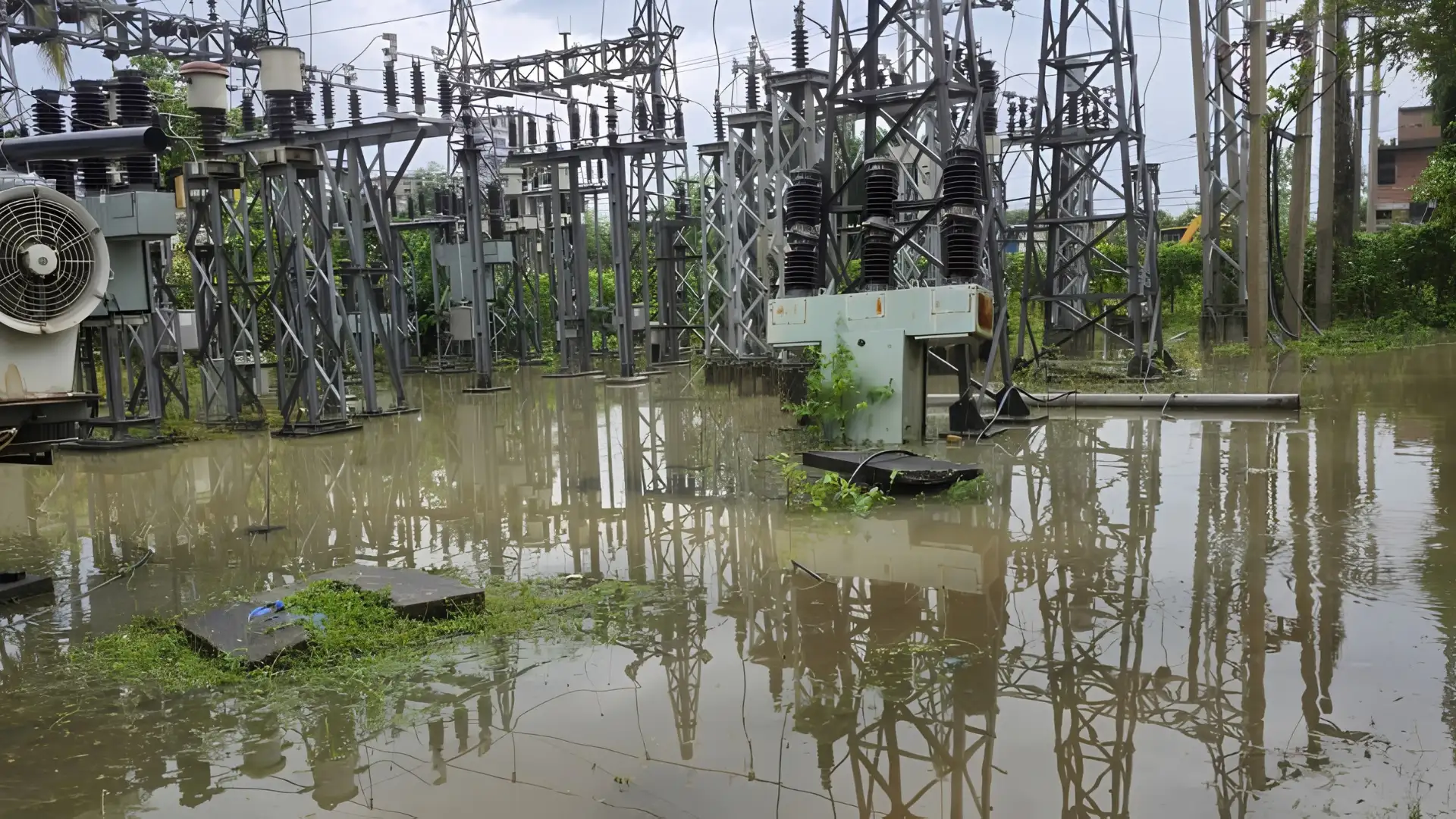
बचतले जीविकोपार्जन, बालबच्चाको शिक्षा, मनोरञ्जन, विवाह, व्रतबन्ध, मृत्यु संस्कारजस्ता सामाजिक कार्य, स्वास्थ्य उपचार, वृद्धावस्थाको खर्च, लगानी, व्यवसाय विस्तार र व्यक्तिगत सपना पूरा गर्न सहयोग गर्छ। यसले आकस्मिक खर्चको सामना गर्न पनि सजिलो बनाउँछ। नियमित बचतले आर्थिक अवस्था सुधार्न, जीविकोपार्जन सहज बनाउन र रोजगारी गुम्दा, स्वास्थ्य समस्यामा, दुर्घटना, अनिकाल वा प्राकृतिक विपत्तिमा समेत पहिलेको बचत उपयोगी हुने नेपाल राष्ट्र बैंकको भनाइ छ।
बचतका उपायहरू
धेरैले ठूलो आम्दानी भएकाले मात्र बचत गर्न सक्छन् भन्ने गलत धारणा राख्छन्। तर, नेपाल राष्ट्र बैंकले दृढ इच्छाशक्ति र स्वअनुशासनले जोसुकैले बचत गर्न सक्ने बताएको छ। यसका लागि सुझाइएका केही उपायहरू यस्ता छन्:
आवश्यकतामा मात्र खर्च गर्ने बानी बसाल्ने,
आम्दानीको केही हिस्सा नियमित बचत गरी बाँकीबाट खर्च चलाउने,
महँगो वस्तुको चाहना भए खर्च कटौती गर्ने वा प्रयोग भइसकेको वस्तु किन्ने,
उपभोग्य वस्तु सुपथ मूल्यमा खरिद गर्ने,
बाहिरको महँगो खानाको सट्टा घरमै बनाएर खाने,
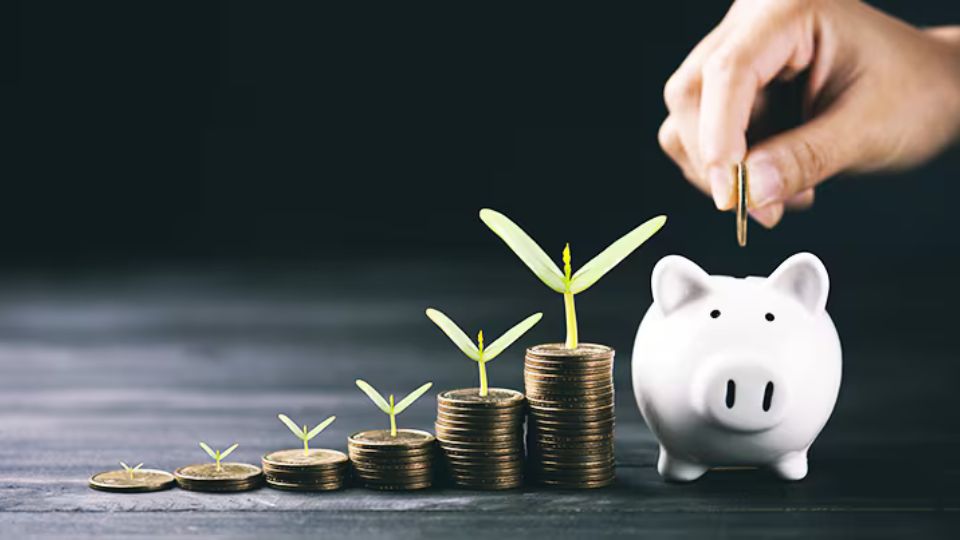
बालबालिकालाई सानैदेखि बचत र खुत्रुके प्रयोग गर्ने बानी सिकाउने,
लत्ताकपडा र गहनामा आवश्यकताअनुसार मात्र खर्च गर्ने।
नेपाल राष्ट्र बैंकका अधिकारीहरूले बचतलाई जीवनशैलीको हिस्सा बनाएर आर्थिक स्थिरता र सुरक्षित भविष्य सुनिश्चित गर्न सकिने सुझाव दिएका छन्।
स्रोत: नेपाल राष्ट्र बैंक

The amount saved after deducting expenses from one’s income is known as savings. According to Nepal Rastra Bank, money accumulated with future needs, financial goals, and uncertain expenses in mind plays a vital role in ensuring a family’s financial security. Savings enable planned spending in the future, help achieve financial goals, prepare for unexpected expenses, and provide a sense of security.
Nepal Rastra Bank states that by understanding the difference between needs and wants and managing income wisely, one can maximize benefits even from limited resources. Allocating income for essential expenses, planned spending, loan repayments, investments, and saving for various future needs can help meet financial requirements with ease.
Benefits of Saving
Savings support livelihoods, children’s education, entertainment, social events like weddings and rituals, healthcare, expenses in old age, investments, business expansion, and the fulfillment of personal dreams. They also make it easier to handle unforeseen expenses. Nepal Rastra Bank highlights that regular saving improves financial stability, simplifies livelihoods, and proves useful during job loss, health crises, accidents, famines, or natural disasters by allowing the use of previously saved funds.
Ways to Save
Many hold the misconception that only those with high incomes can save. However, Nepal Rastra Bank asserts that anyone can save with determination and self-discipline. Some recommended methods include:
Cultivating a habit of spending only on essentials,
Regularly saving a portion of income and managing needs with the remainder,
Cutting costs by avoiding expensive items or opting for second-hand goods,
Purchasing daily consumables at affordable prices,
Cooking at home instead of eating expensive food outside,
Teaching children to save and use piggy banks from a young age,
Spending on clothing and jewelry only as needed.
Officials from Nepal Rastra Bank suggest that making saving a part of one’s lifestyle can ensure financial stability and a secure future.
Source: Nepal Rastra Bank