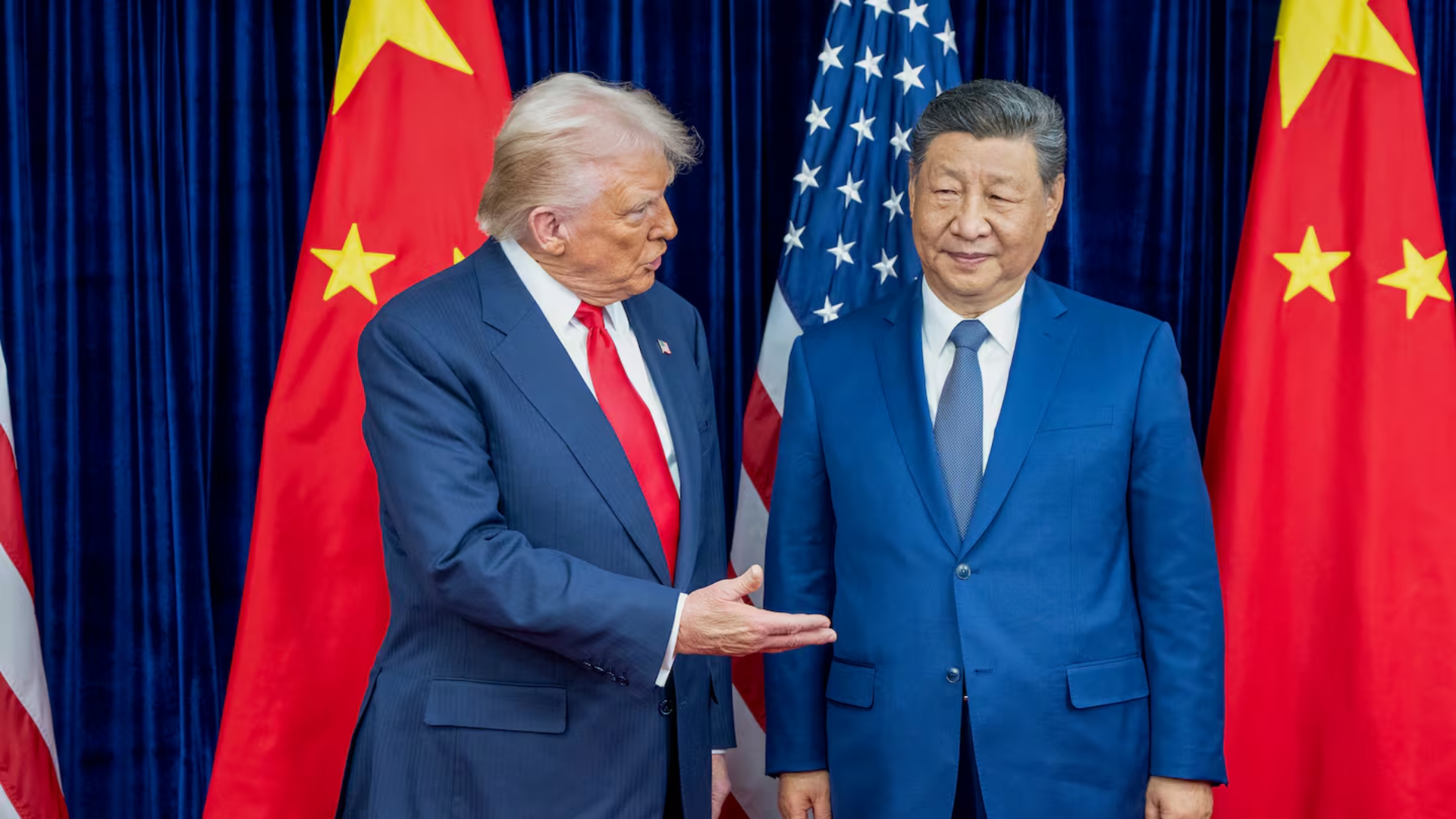
इरान तनावबीच ट्रम्प बेइजिङमा, विश्व शक्ति सन्तुलनतर्फ चासोTrump Arrives in Beijing Amid Iran Tensions and Growing Global Power Rivalry
अमेरिकी राष्ट्रपति Donald Trump झन्डै नौ वर्षपछि चीन पुगेका छन् । बेइजिङ पुगेका ट्रम्पलाई चिनियाँ राष्ट्रपति Xi Jinping ले विशेष स्वागत गर्ने कार्यक्रम तय गरिएको छ । शुक्रबारसम्म चल्ने भेटघाटमा अमेरिकी अधिकारी, व्यवसायी र चिनियाँ नेतृत्वबीच उच्चस्तरीय छलफल हुने बताइएको छ ।
यो भ्रमणलाई सामान्य कूटनीतिक कार्यक्रमका रूपमा मात्र हेरिएको छैन । पछिल्लो समय विश्व राजनीति अस्थिर बन्दै गएको, मध्यपूर्वमा युद्धको तनाव चर्किएको र अमेरिका–चीन सम्बन्ध फेरि संवेदनशील मोडमा पुगेको अवस्थामा ट्रम्पको चीन भ्रमणलाई निकै अर्थपूर्ण रूपमा हेरिएको छ ।
विशेषगरी Iranसँग सम्बन्धित युद्ध र त्यसले विश्व ऊर्जा बजारमा पारेको असर अहिले विश्व अर्थतन्त्रको मुख्य चिन्तामध्ये एक बनेको छ । तेल आपूर्ति प्रणाली प्रभावित हुँदा अन्तर्राष्ट्रिय बजारमा कच्चा तेलको मूल्य अस्थिर बनेको छ । ऊर्जा मूल्य बढ्दा महँगीको दबाब फेरि चर्किन सक्ने डरले विश्व बजार नै दबाबमा देखिएको छ ।
यही पृष्ठभूमिमा ट्रम्प चीन पुगेकाले यसपटकको वार्तामा व्यापार मात्र होइन, सुरक्षा र भू-राजनीतिक विषय पनि केन्द्रमा रहने अनुमान गरिएको छ । अमेरिका र चीनबीच पछिल्ला वर्षहरूमा ट्यारिफ, प्रविधि, कृत्रिम बुद्धिमत्ता, सेमिकन्डक्टर र ताइवानजस्ता विषयमा तनाव बढ्दै गएको छ । अहिलेको भेटलाई ती विषयमा सम्बन्ध स्थिर बनाउने प्रयासका रूपमा पनि हेरिएको छ ।
विश्लेषकहरूका अनुसार ट्रम्प यसपटक केही दबाबमा चीन पुगेका छन् । इरान युद्धप्रति अमेरिकाभित्रै फरक–फरक धारणा देखिएको छ भने ट्रम्प प्रशासनका केही व्यापारिक नीतिमाथि अमेरिकी अदालतले प्रश्न उठाएका कारण पनि उनको वार्ताको स्थिति पहिलेभन्दा कमजोर बनेको आकलन गरिएको छ ।
तर चीन भने अहिले रणनीतिक रूपमा बलियो अवस्थामा देखिएको विश्लेषण भइरहेको छ । विशेषगरी ‘रेयर अर्थ’ अर्थात् दुर्लभ खनिजमा चीनको नियन्त्रणलाई बेइजिङले आफ्नो महत्वपूर्ण कूटनीतिक शक्ति बनाएको छ । विश्वभर प्रयोग हुने विद्युतीय उपकरण, ब्याट्री, रक्षा सामग्री र आधुनिक प्रविधिमा प्रयोग हुने यस्ता खनिजमा चीनको प्रभुत्व रहेको छ ।
यसका साथै चिनियाँ कम्पनीहरूले पछिल्ला वर्षहरूमा आफ्नो आपूर्ति सञ्जाल विस्तार गर्दै विश्व बजारमा उपस्थिति बढाएका छन् । अमेरिकी ट्यारिफ र व्यापारिक दबाबका बीच पनि चीनले वैकल्पिक बजार खोज्दै उत्पादन र निर्यात संरचना परिवर्तन गरेकाले पहिलेजस्तो असर नपर्ने अवस्था बनेको विश्लेषण गरिएको छ ।
यद्यपि, विश्वका दुई शक्तिशाली अर्थतन्त्रबीचको प्रतिस्पर्धा थप चर्कियो भने त्यसको असर विश्व अर्थतन्त्रमा गम्भीर रूपमा पर्न सक्ने भएकाले दुवै पक्ष अहिले सावधानीपूर्वक अघि बढ्न खोजिरहेका देखिन्छन् । व्यापार, निर्यात नियन्त्रण, कृत्रिम बुद्धिमत्ता, ताइवान र इरान संकटलगायत विषयमा ट्रम्प र सिबीच विस्तृत छलफल हुने अपेक्षा गरिएको छ ।
पछिल्ला वर्षहरूमा चीन–अमेरिका सम्बन्ध कहिले सहकार्य त कहिले प्रतिस्पर्धाको अवस्थाबाट गुज्रिँदै आएको छ । यही कारण ट्रम्प र सिबीचको यो भेटलाई केवल औपचारिक भ्रमण नभई विश्व राजनीति र अर्थतन्त्रको आगामी दिशा निर्धारण गर्न सक्ने महत्वपूर्ण कूटनीतिक घटनाका रूपमा हेरिएको छ ।
विश्व समुदायको चासो अहिले एउटै विषयमा केन्द्रित देखिन्छ—के अमेरिका र चीनले बढ्दो तनाव कम गर्दै कुनै ठोस समझदारी निकाल्न सक्लान्, वा यो भेट केवल औपचारिक संवादमै सीमित रहनेछ ?
Former US President Donald Trump has arrived in Beijing nearly nine years after his last visit to China. Chinese President Xi Jinping is expected to host Trump, senior American officials and business leaders through Friday as both sides prepare for high-level discussions being closely watched across the world.
The visit is not being viewed as a routine diplomatic engagement. At a time when global politics has become increasingly unstable, tensions in the Middle East are rising and economic uncertainty continues to pressure international markets, Trump’s arrival in China is being seen as a strategically important event with broader geopolitical implications.
Particularly, the ongoing conflict involving Iran has added further sensitivity to the meeting. The war has already disrupted global energy supply chains, pushed crude oil prices into volatile territory and increased concerns about inflationary pressure across major economies. With energy markets under stress, investors and policymakers alike are closely monitoring every major diplomatic development involving the world’s largest powers.
Against this backdrop, analysts believe the discussions between Trump and Xi are likely to focus not only on trade but also on security and broader geopolitical concerns. Relations between the United States and China have become increasingly complex in recent years due to disputes surrounding tariffs, advanced technology, artificial intelligence, semiconductor restrictions and the Taiwan issue.
According to political observers, Trump is entering the talks under a more challenging environment than before. Within the United States, reactions to the Iran conflict remain divided, while several trade and tariff-related policies associated with Trump have also faced legal scrutiny in American courts. These developments have fueled speculation that Washington’s negotiating leverage may not be as strong as it once was.
China, meanwhile, appears to be entering the discussions from a relatively stronger strategic position. In particular, Beijing’s dominance over rare earth minerals has emerged as one of its most significant geopolitical advantages. These minerals are essential for electric vehicles, batteries, defense systems, semiconductor manufacturing and other advanced technologies used worldwide.
Chinese companies have also spent recent years diversifying supply chains and expanding into alternative global markets. Analysts say this has reduced China’s vulnerability to American tariffs and trade restrictions compared to earlier phases of the US-China trade conflict.
Still, both sides appear cautious about allowing tensions to escalate further. A deeper confrontation between the world’s two largest economies could create wider instability in global trade, investment flows and financial markets. As a result, both Washington and Beijing seem interested in maintaining dialogue despite ongoing rivalry.
Trade, export controls, artificial intelligence, Taiwan and the Iran crisis are all expected to feature prominently in the discussions between Donald Trump and Xi Jinping. The outcome of the talks may shape not only bilateral relations but also the broader direction of global economic and geopolitical dynamics in the coming years.
Over the past decade, relations between China and the United States have repeatedly shifted between cooperation and confrontation. For that reason, this meeting is being viewed not simply as a formal diplomatic visit, but as a potentially significant moment in the evolving global balance of power.
The central question for the international community now is whether the two leaders can produce any meaningful understanding capable of easing global tensions, or whether the meeting will ultimately remain limited to diplomatic symbolism without major policy breakthroughs.