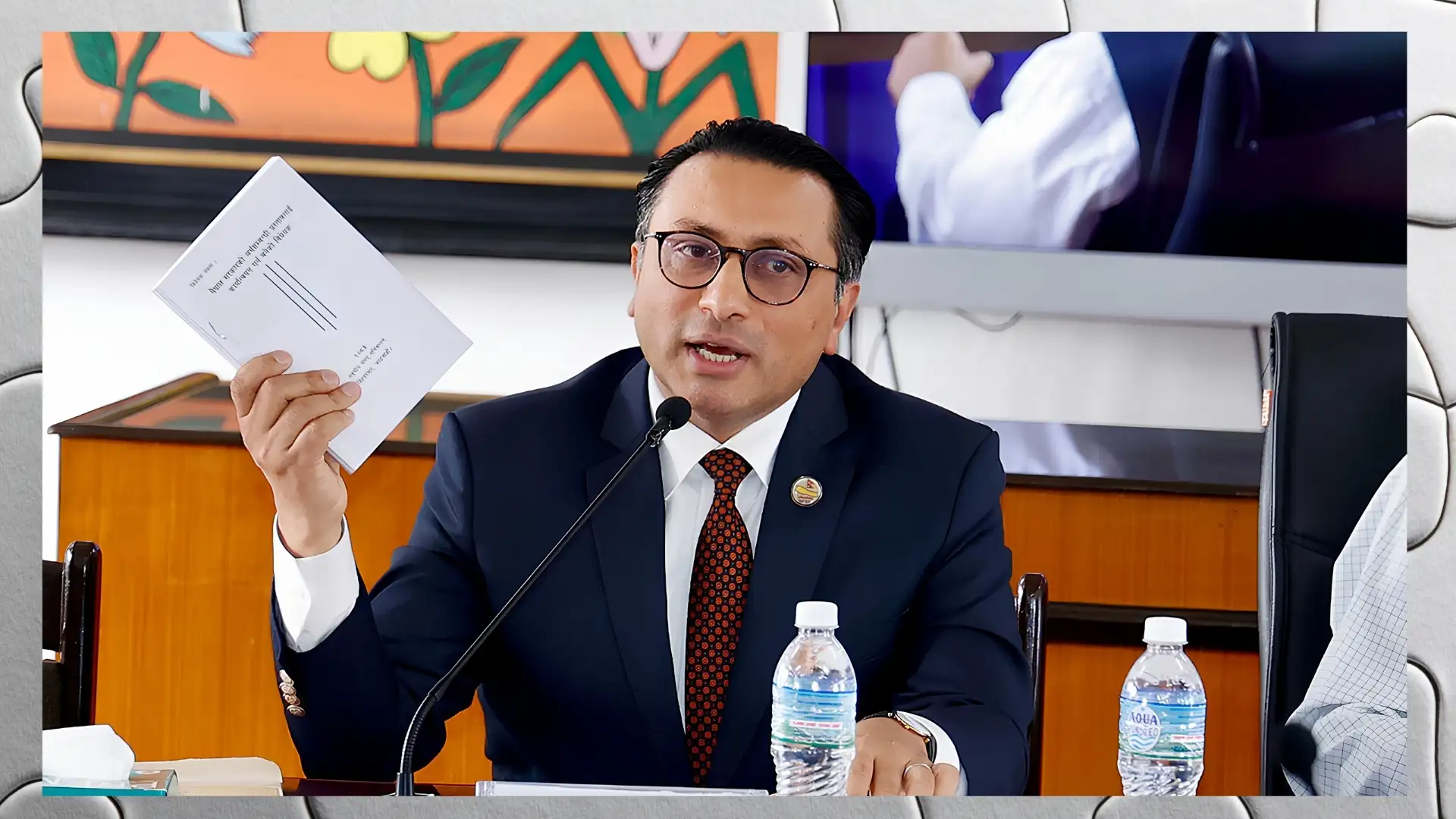
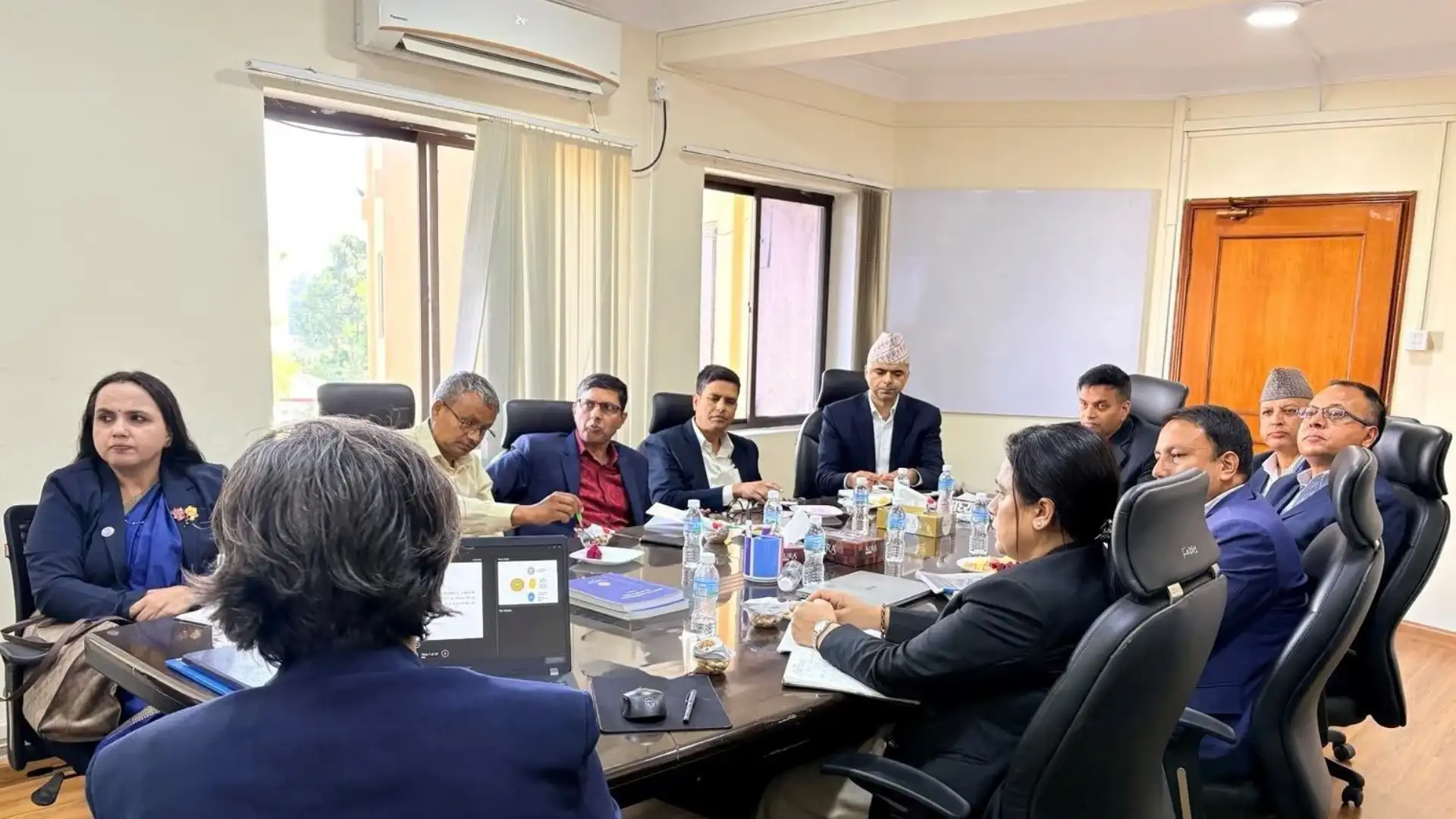
A pointed question raised on the floor of the House of Representatives on Thursday brought one of the most debated aspects of the current government's agenda into sharp focus. Finance Minister Dr. Swarnima Wagle, responding to queries during discussions on the Appropriation Bill 2083 under budget headings covering the Office of the President, Office of the Vice President, Office of the Prime Minister and Council of Ministers, Ministry of Defence, and the National Planning Commission, moved to dispel growing concerns about the newly formed Wealth Scrutiny Commission.
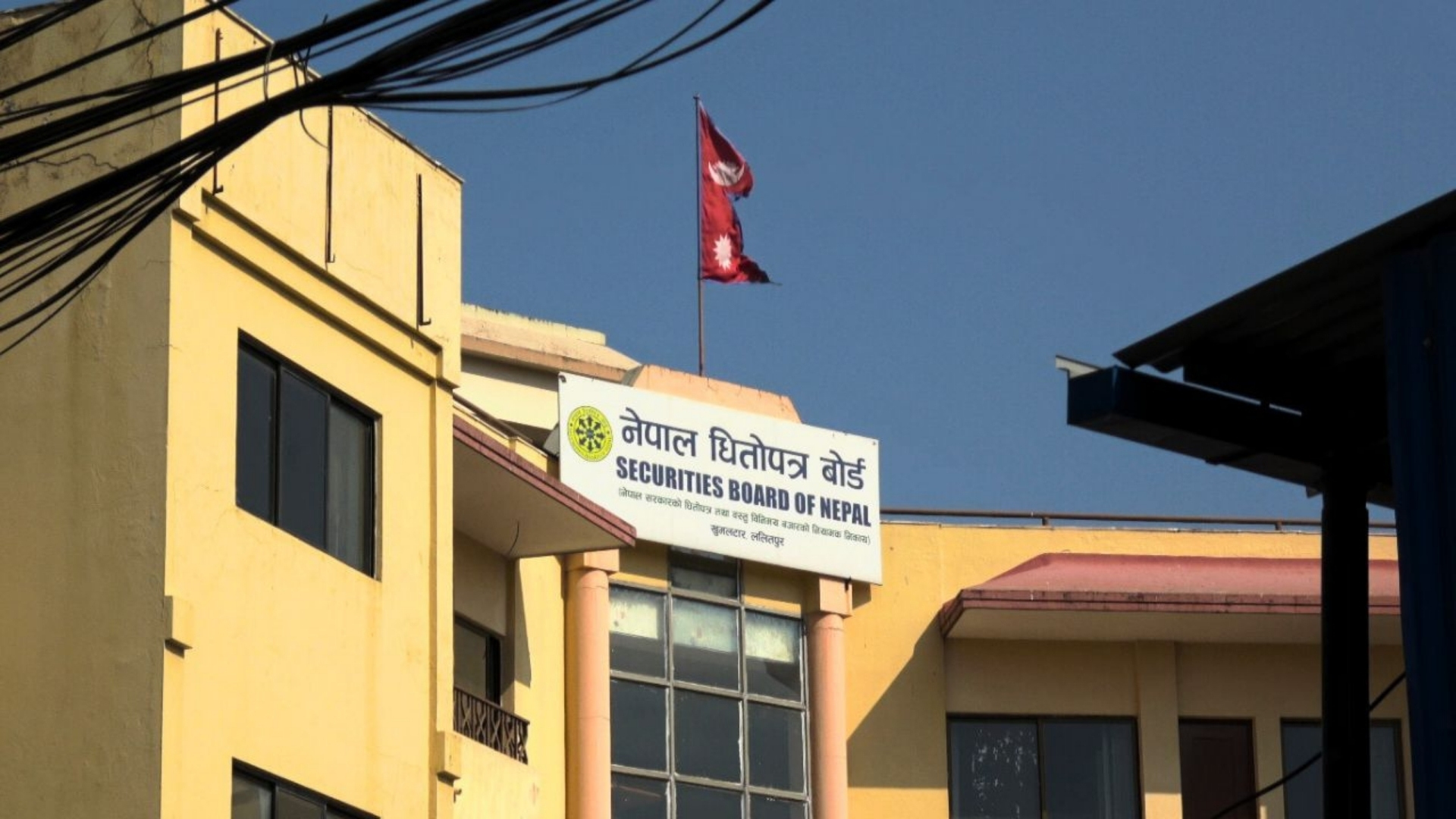
Speaking on behalf of Prime Minister Balendra Shah, Minister Wagle was unambiguous. The commission, he said, is not a permanent investigative body and will not in any way interfere with the constitutional authority of the Commission for the Investigation of Abuse of Authority. Its purpose is narrowly defined — to examine the assets of designated public officials and, if irregularities are found, to recommend appropriate action to the government. The power to investigate and prosecute remains where it has always been.
On the long-standing problem of national pride projects dragging on for years beyond their deadlines, Wagle acknowledged that past governments had made a habit of announcing projects before the groundwork was properly laid. Under the new approach, land acquisition, feasibility studies, and all preliminary preparations must be fully completed before any project is added to the national pride list and allocated budget funding. The era of premature announcements followed by endless delays, he suggested, is meant to be over.
Responding to questions about the country's digital infrastructure, the Finance Minister confirmed that the data centre in Kohalpur has been completed and that preliminary work on a new data centre in Khumaltar is already underway. He also announced that Nepal's first sovereign artificial intelligence compute centre will be established at Syuchatar in Kathmandu — a project that has been formally included in the national budget and marks a significant step in the government's ambitions for a digitally driven economy.
On cybersecurity and intelligence, Wagle assured lawmakers that institutions including the National Investigation Department, the National Cybersecurity Centre, and the Cyber Bureau are actively working to modernize Nepal's intelligence capabilities using information technology and artificial intelligence. Further infrastructure development and institutional capacity building in this area are already in progress, he added.
Addressing allegations that the Nepali Army had been deployed to dismantle informal settlements, the Finance Minister flatly rejected the claim. He clarified that in relocating residents from high-risk areas, only the Nepal Police had been involved — playing a facilitative and security role in coordination with local governments. The army was not part of that operation, he maintained.
On poverty reduction, Wagle drew a clear distinction between short-term relief and lasting change. Cash handouts alone, he argued, cannot sustainably lift people out of poverty. The government's strategy centers on creating permanent income and employment opportunities through agricultural modernization, irrigation expansion, crop insurance, worker protection, skills development, industrial promotion, digital economy initiatives, and private sector investment. Regions that have historically lagged behind — Karnali, Madhesh, and Sudurpashchim — have been given priority in budget allocations, and the nutrition allowance for Dalit children has been doubled. Existing social protection programmes, he stressed, have not been cut.
"Making people dependent on handouts is not the goal," Wagle said. "The budget is designed to create conditions where people can earn their own income and become self-reliant. Poverty ends when people have stable livelihoods — not when they receive transfers."