NEPSEtrading

Make smarter moves backed by machine learning. Join thousands of traders leveraging AI to maximize profits.

nepsetrading.com is an online news portal that provides insights into trading and investment by analyzing the stock market and the global economy. We create charts based on the analysis of various indicators. Please do not rely solely on this information for investment decisions. Self-study is crucial. Use this information only as an educational and informational resource.

Marketminds Investment Group Private Limited

DOIB Registration certificate no.: 4680-2081/2082

Director & Editor-in-chief: Dipesh Ghimire · 9802363868, 9851119988

Koteshwor 32, Kathmandu
01-5253221 · +977 9709066745

Contact support

Subscribe to our newsletter

Weekly insights from the NEPSE market in your inbox.

Market

  • Stocks
  • Sectors

Company

  • About Us
  • Our Team
  • Terms of Use
  • Our Policy
  • Training
  • Contact Us

Help

  • Support
  • Report
  • FAQ

© 2026 nepsetrading.com. All rights reserved.
Owned and operated by Marketminds Investment Group Private Limited.

Charts powered by TradingView

  • Home
  • Latest
  • Trending
  • Stock
  • Education
  • International
    1. News
    2. Education
    3. What is Liquidity ?
    तरलता भनेको के हो ?
    Education
    2 min read
    Published on June 26, 2024
    NEPSE trading

    तरलता भनेको के हो ?What is Liquidity ?

    तरलता भनेको एक प्रकारको सम्पतिलाई कुनै अवरोध वा नोक्सानी विना अर्को प्रकारको सम्पतिमा परिवर्तन गर्न सक्ने क्षमता हो। सजिलैसँग खरीद बिक्री गर्न सकिने सम्पतिलाई तरल सम्पति भनिन्छ र त्यस्तो क्षमतालाई तरलता भनिन्छ। नगद, बजारयोग्य सुरक्षा पत्रहरू, बैंकमा भएको चल्ती तथा बचत निक्षेप, र अन्य चल सम्पतिहरू तरल सम्पति हुन्।

    तरल सम्पत्तिको पहिचान

    तरल सम्पतिको पहिचान उद्योग व्यवसायको उद्देश्य, प्रकृति, तथा कारोवारको आधारमा गरिन्छ। व्यवसायको संचालन, अल्पकालिन दायित्वहरुको सम्वोधन, भविष्यको संकटबाट बच्न, र बजारमा आउने अवसरको फाइदा लिन तरल सम्पति आवश्यक हुन्छ। तरलता र नाफादायकता बीच विपरित सम्बन्ध हुन्छ, त्यसैले अत्यधिक तरल सम्पतिको भण्डारण बुद्धिमानी हुँदैन।

    तरलता र व्याजदरबीचको सम्बन्ध

    तरलता र व्याजदर बीच नजिकको तर विपरित सम्बन्ध हुन्छ। अधिक तरलताले व्याजदरमा कमी ल्याउँछ, जसले बचतलाई निरुत्साहित गरी उपभोग बढाउँछ। तरलता कम हुँदा व्याजदरमा वृद्धि हुन्छ, जसले बचतलाई प्रोत्साहित गरी पूँजी निर्माण गर्न मद्दत गर्छ। व्याजदरको अत्यधिक परिवर्तन लगानी र आर्थिक क्रियाकलापका लागि प्रतिकूल हुन्छ।

    तरलता व्यवस्थापन

    तरलता व्यवस्थापनमा निक्षेपमा बढोत्तरी, कर्जा असुली, बैंकिंग सम्पतिको बिक्री, मुद्राबजारबाट प्राप्त सापटी आदि स्रोतहरू हुन्छन्। यसको उपयोग कर्जा प्रवाह, संचालन खर्च, कर भुक्तानी, लाभांश भुक्तानी आदि माध्यमबाट गरिन्छ। बैंकहरु कहिले तरलताको कमी त कहिले अधिक तरलताको समस्यासँग जुधिरहेका हुन्छन्।

    नेपालमा तरलता व्यवस्थापन

    नेपाल राष्ट्र बैंकले मौद्रिक नीति मार्फत विभिन्न उपकरणहरुको प्रयोग गर्दै तरलता व्यवस्थापन गर्छ। यसमा रिपो, रिभर्स रिपो, सोझै बिक्री, सोझै खरीद, निक्षेप संकलन, र नेपाल राष्ट्र बैंक ऋणपत्रको माध्यमबाट बजारमा तरलताको प्रवाह तथा प्रशोचन गर्ने काम गरिन्छ। स्थायी तरलता सुविधा, अनिवार्य मौज्दात अनुपात, वैधानिक तरलता अनुपात, बैंकदर जस्ता नीतिगत दरहरुको प्रयोग पनि गरिन्छ।

    तरलता व्यवस्थापनका तीन आयाम

    - पहिचान: तरलतालाई प्रभाव पार्ने विभिन्न शीर्षकका मौज्दातको पहिचान, पोजिसन निक्र्योल, तथ्यांक संकलन तथा प्रशोधन।

    - व्यवस्थापन: तरल सम्पतिलाई एकिकृत, समुहीकृत तथा प्रयोग गर्ने काम।

    - उपयोग: तरल सम्पतिलाई अधिकतम आम्दानी हुने गरी उपयोग गर्ने काम।

    उपकरणहरू

    - रिपो: अल्पकालीन तरलता प्रवाह गर्ने उपकरण।

    - रिभर्स रिपो: अल्पकालीन तरलता प्रशोचन गर्ने उपकरण।

    - सोझै बिक्री: दीर्घकालीन तरलता प्रशोचन गर्ने उपकरण।

    - सोझै खरिद: दीर्घकालीन तरलता प्रवाह गर्ने उपकरण।

    - निक्षेप संकलन: असाधारण तरलता प्रशोचन गर्ने उपकरण।

    - नेपाल राष्ट्र बैंक ऋणपत्र: संरचनात्मक तरलता प्रशोचन गर्ने उपकरण।

    निष्कर्ष

    तरलता व्यवस्थापन वित्तीय क्षेत्रको स्थायित्व र मुल्य स्थिरता कायम गर्न आवश्यक छ। नेपाल राष्ट्र बैंकले विभिन्न उपकरणहरुको प्रयोग गर्दै तरलता व्यवस्थापनमा मद्दत पुर्याएको छ।

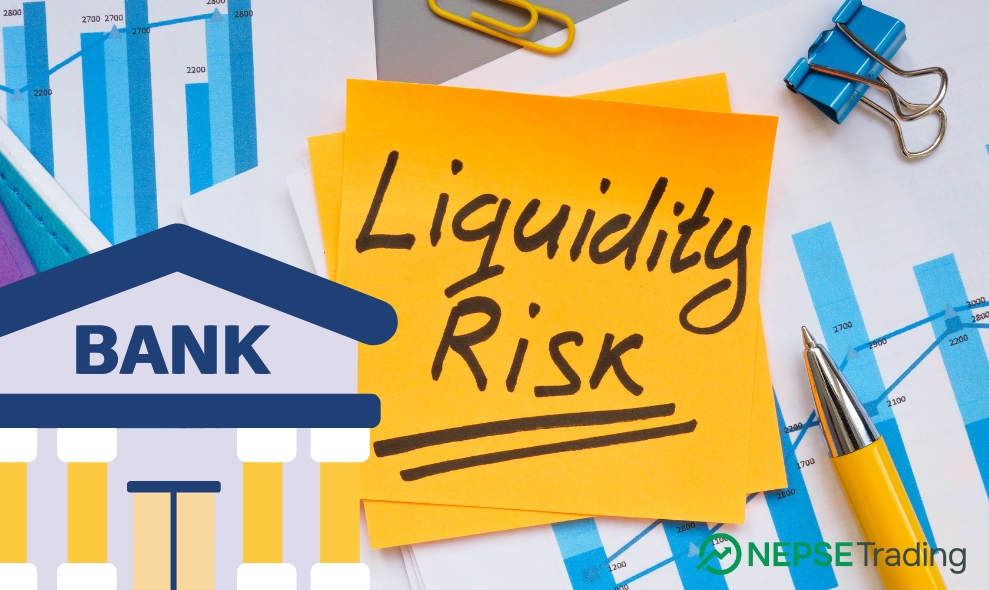
    Liquidity refers to the ability to convert an asset into another type of asset without any hindrance or loss. Assets that can be easily bought or sold are known as liquid assets, and this capability is termed liquidity. Cash, marketable securities, demand and savings deposits in banks, and other current assets are considered liquid assets.

    Identification of Liquid Assets

    The identification of liquid assets depends on the business's purpose, nature, and transactions. Liquid assets are essential for business operations, addressing short-term liabilities, avoiding future crises, and taking advantage of market opportunities. There is an inverse relationship between liquidity and profitability, so excessive hoarding of liquid assets is not wise.

    Relationship Between Liquidity and Interest Rates

    There is a close but inverse relationship between liquidity and interest rates. Higher liquidity lowers interest rates, which discourages savings and increases consumption. Conversely, lower liquidity raises interest rates, encouraging savings and helping in capital formation. Extreme fluctuations in interest rates are unfavorable for investment and economic activities.

    Liquidity Management

    Sources of liquidity management include increases in deposits, loan recovery, sale of banking assets, and borrowing from the money market. Its utilization includes loan disbursement, operational expenses, tax payments, and dividend payments. Banks often face challenges of either liquidity shortage or excess liquidity.

    Liquidity Management in Nepal

    The Nepal Rastra Bank manages liquidity using various tools through monetary policy. These include repo, reverse repo, outright sale, outright purchase, deposit collection, and issuance of Nepal Rastra Bank bonds to regulate the flow and absorption of liquidity in the market. Policy rates like the standing liquidity facility, required reserve ratio, statutory liquidity ratio, and bank rate are also used.

    Three Dimensions of Liquidity Management

    - Identification: Identifying various reserves affecting liquidity, determining positions, collecting, and processing data.

    - Management: Integrating, grouping, and utilizing liquid assets.

    - Utilization: Using liquid assets to maximize income.

    Tools

    - Repo: Tool for short-term liquidity provision.

    - Reverse Repo: Tool for short-term liquidity absorption.

    - Outright Sale: Tool for long-term liquidity absorption.

    - Outright Purchase: Tool for long-term liquidity provision.

    - Deposit Collection: Tool for exceptional liquidity absorption.

    - Nepal Rastra Bank Bonds: Tool for structural liquidity absorption.

    Conclusion

    Liquidity management is essential for maintaining financial sector stability and price stability. The Nepal Rastra Bank aids liquidity management using various tools.

    Trending News

    • Trending14 Jun, 2026

      असारमा वाणिज्य बैंकको मुद्दति ब्याजदर थप घट्यो, ७ बैंकले दर घटाए

      Read news
    • Trending14 Jun, 2026

      नेपालकै सबैभन्दा ठूलो सम्पत्ति शुद्धीकरण मुद्दा अदालत पुग्यो, एक खर्ब ६ अर्बभन्दा बढी बिगो दाबी

      Read news
    • Trending14 Jun, 2026

      अमेरिका–इरान शान्ति सम्झौता निर्णायक मोडमा, पाकिस्तानले भन्यो — '२४ घण्टामा हस्ताक्षर सम्भव'

      Read news

    Related News

  • असारमा वाणिज्य बैंकको मुद्दति ब्याजदर थप घट्यो, ७ बैंकले दर घटाए
    Investor

    1 min read

    असारमा वाणिज्य बैंकको मुद्दति ब्याजदर थप घट्यो, ७ बैंकले दर घटाए

    NEPSE TRADING

    ·

    14 Jun, 2026

  • नेपालकै सबैभन्दा ठूलो सम्पत्ति शुद्धीकरण मुद्दा अदालत पुग्यो, एक खर्ब ६ अर्बभन्दा बढी बिगो दाबी
    Investor

    4 min read

    नेपालकै सबैभन्दा ठूलो सम्पत्ति शुद्धीकरण मुद्दा अदालत पुग्यो, एक खर्ब ६ अर्बभन्दा बढी बिगो दाबी

    NEPSE TRADING

    ·

    14 Jun, 2026

  • अमेरिका–इरान शान्ति सम्झौता निर्णायक मोडमा, पाकिस्तानले भन्यो — '२४ घण्टामा हस्ताक्षर सम्भव'
    Top

    1 min read

    अमेरिका–इरान शान्ति सम्झौता निर्णायक मोडमा, पाकिस्तानले भन्यो — '२४ घण्टामा हस्ताक्षर सम्भव'

    NEPSE TRADING

    ·

    14 Jun, 2026

  • शेयर बजारमा जलविद्युत कम्पनी : अनुत्तरित प्रश्नहरूको भारले थिचिएको लगानीकर्ता
    Investor

    5 min read

    शेयर बजारमा जलविद्युत कम्पनी : अनुत्तरित प्रश्नहरूको भारले थिचिएको लगानीकर्ता

    NEPSE TRADING

    ·

    12 Jun, 2026

  • नेपालको पुँजी बजार : तीन दशकको यात्रा, अझै अधुरो सुधार
    Investor

    3 min read

    नेपालको पुँजी बजार : तीन दशकको यात्रा, अझै अधुरो सुधार

    Dipesh Ghimire

    ·

    12 Jun, 2026