Top
Trump Administration Plans New Tariffs on Major Trading Partners Using Section 301
Trump Administration Plans New Tariffs on Major Trading Partners Using Section 301 The administration of U.S. President Donald Trump is preparing to impose new tariffs on several major trading partners, including India, China, the European Union, and Mexico, under a legal provision known as Section 301 of the U.S. Trade Act. The move signals a renewed push by Washington to increase pressure on countries it believes are harming American companies through unfair trade practices.
Dipesh Ghimire
2 min read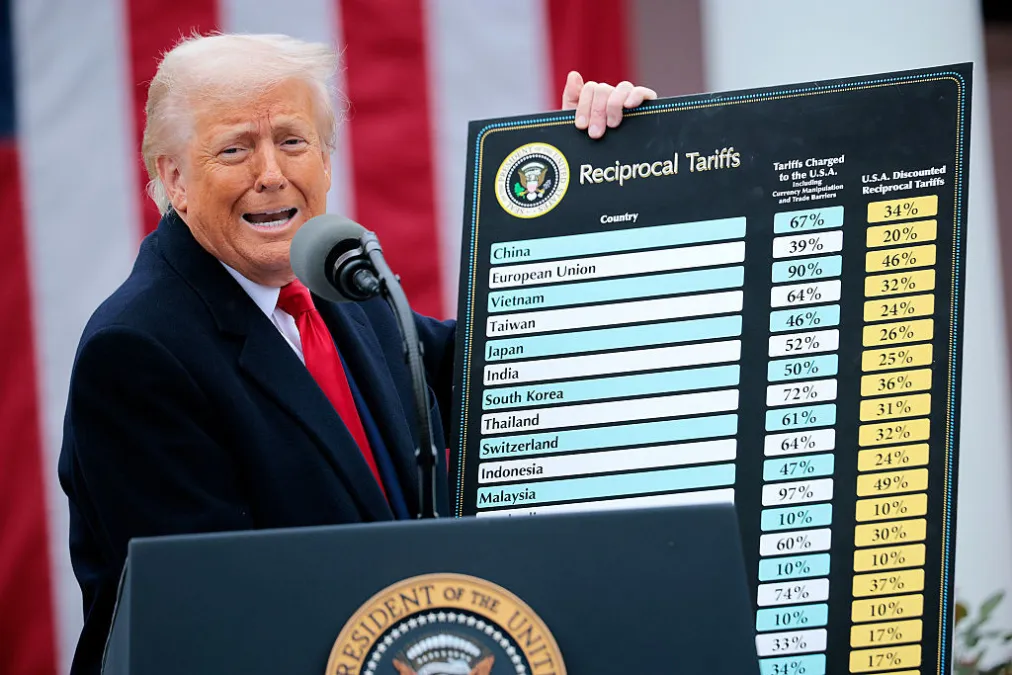
The administration of U.S. President Donald Trump is preparing to impose new tariffs on several major trading partners, including India, China, the European Union, and Mexico, under a legal provision known as Section 301 of the U.S. Trade Act. The move signals a renewed push by Washington to increase pressure on countries it believes are harming American companies through unfair trade practices.
Section 301 gives the United States government the authority to investigate foreign trade policies and impose unilateral tariffs or sanctions if those policies are deemed to disadvantage American businesses. By invoking this provision, the U.S. administration is attempting to bypass traditional negotiation channels and apply direct economic pressure on key trading partners.
The renewed tariff push comes after a significant legal setback earlier this year. Last month, the U.S. Supreme Court ruled that tariffs previously imposed by President Trump were unlawful, stating that the authority to set tariffs rests with the U.S. Congress rather than the President alone. The ruling forced the administration to reconsider its strategy and search for alternative legal mechanisms to continue its trade pressure.
Officials in Washington now appear to be using Section 301 as a new legal pathway to revive tariff measures. According to U.S. Trade Representative Jamieson Greer, investigations into trade practices of several countries are already underway. If these reviews conclude that foreign policies harm American industry, new tariffs could be introduced as early as this summer.
The countries targeted in the potential tariff action represent some of the largest trading partners of the United States. China and the European Union alone account for a substantial portion of global trade flows, while India and Mexico are key economic partners in manufacturing, supply chains, and technology sectors. Imposing tariffs on such large economies could significantly affect international trade dynamics.
Economists warn that such a move could revive tensions similar to those seen during the earlier U.S.–China trade war, which disrupted global supply chains and increased costs for businesses and consumers worldwide. Tariffs often trigger retaliatory measures from affected countries, potentially escalating into broader trade disputes.
The possibility of new tariffs has already begun raising concerns among global markets. Businesses operating in sectors such as automobiles, electronics, agriculture, and manufacturing may face increased costs if trade barriers rise again. For multinational companies that rely on complex global supply chains, even modest tariff increases can create significant disruptions.
For developing economies and export-dependent nations, the consequences could be even more serious. Trade restrictions imposed by major economies often ripple through the global market, affecting commodity prices, production patterns, and investment flows. Countries that depend heavily on exports to the United States could face reduced competitiveness if tariffs are implemented.
The situation also reflects a broader shift in global economic policy, where geopolitical competition and economic nationalism are increasingly shaping trade decisions. Governments are becoming more willing to use tariffs, sanctions, and trade restrictions as tools of strategic pressure rather than relying solely on multilateral institutions such as the World Trade Organization.
As investigations under Section 301 continue, the coming months will be critical in determining whether the United States moves forward with these tariff plans. If implemented, the measures could reshape trade relations between some of the world’s largest economies and add new uncertainty to the already fragile global economic environment.
Advertisement
Written by
Dipesh Ghimire