Top
30MW Myardi Hydropower Project Planned on Manang–Lamjung Border, EIA Process Begins
30MW Myardi Hydropower Project Planned on Manang–Lamjung Border, EIA Process Begins Kathmandu — A new 30-megawatt hydropower project is being planned on the border of Manang and Lamjung districts, adding momentum to Nepal’s ongoing push to expand electricity generation. The Ministry of Forests and Environment has initiated work to prepare the Environmental Impact Assessment (EIA) report, marking the project’s formal entry into the approval pipeline. The project will be located between Nasong Rural Municipality in Manang and Marsyangdi Rural Municipality in Lamjung. The proposed project, named the Myardi Hydropower Project, is being promoted by Myardi Khola Hydropower Company Pvt. Ltd. and is designed as a run-of-river scheme. This means the plant will rely mainly on the river’s natural flow rather than storing large volumes of water in a reservoir. While such projects are generally faster to build and involve less large-scale submergence, they can also face seasonal fluctuations in output—an issue Nepal’s hydropower-heavy system already experiences.
Dipesh Ghimire
3 min read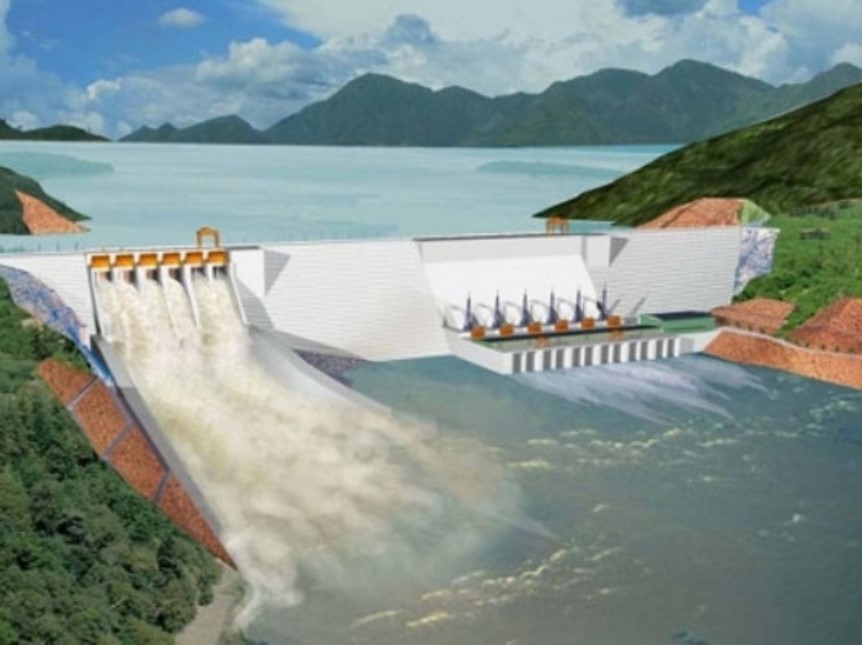
Kathmandu — A new 30-megawatt hydropower project is being planned on the border of Manang and Lamjung districts, adding momentum to Nepal’s ongoing push to expand electricity generation. The Ministry of Forests and Environment has initiated work to prepare the Environmental Impact Assessment (EIA) report, marking the project’s formal entry into the approval pipeline. The project will be located between Nasong Rural Municipality in Manang and Marsyangdi Rural Municipality in Lamjung.
The proposed project, named the Myardi Hydropower Project, is being promoted by Myardi Khola Hydropower Company Pvt. Ltd. and is designed as a run-of-river scheme. This means the plant will rely mainly on the river’s natural flow rather than storing large volumes of water in a reservoir. While such projects are generally faster to build and involve less large-scale submergence, they can also face seasonal fluctuations in output—an issue Nepal’s hydropower-heavy system already experiences.
Project documents estimate an average annual energy output of 173.44 gigawatt-hours (GWh). Interpreted in practical terms, this level of production is significant for a 30MW plant and indicates that the developer is expecting relatively strong water availability in the Myardi stream for much of the year. It also suggests the project is aimed not only at meeting local demand but at feeding substantial energy into the national system.
A key part of the plan is the project’s grid connection strategy. Electricity generated by the plant will be evacuated through a 10-kilometer-long 132kV transmission line and linked to the 220kV Manang hub in Dharapani before entering the national transmission network. From an infrastructure perspective, this is important because access to a higher-capacity hub can reduce bottlenecks, improve reliability, and make it easier to dispatch power beyond the immediate region.
The project’s total estimated investment is Rs. 3.90 billion, which brings the per-megawatt cost to about Rs. 130.3 million. Compared to many hydropower projects in Nepal—where terrain, road access, and transmission requirements can sharply raise costs—this cost level appears moderate, but it will still depend heavily on construction conditions in the Manang–Lamjung corridor. The cost structure also indicates that a meaningful share of spending will likely go toward civil works and grid evacuation, not just the power station itself.
With the EIA process now underway, the Ministry of Forests and Environment has called on local communities and stakeholders to share information and concerns about possible environmental effects. For projects in mountain river systems, the main areas of scrutiny usually include impacts on aquatic ecology, river flow patterns, slope stability, construction-related dust and spoil management, and how access roads and camps affect forests and settlements. The consultation phase often becomes critical in deciding mitigation measures and project timelines.
Energy experts say projects like Myardi can bring multiple local benefits if implemented responsibly—such as short-term employment during construction, improved road access, and service-sector activity in nearby settlements. However, they also stress that the long-term value depends on how well the project balances development with environmental safeguards, particularly in sensitive Himalayan landscapes.
If the EIA is completed and approved on time, the project could move into licensing and financing stages, eventually adding 30MW to Nepal’s grid. But the broader question remains familiar in the power sector: how Nepal can continue expanding generation while also strengthening transmission capacity and managing seasonal supply gaps. The Myardi project, with its planned connection to the 220kV hub, may help on the infrastructure side—yet its run-of-river nature means it will still be part of the same seasonal hydropower cycle unless complemented by storage solutions and diversified energy sources.
Advertisement
Written by
Dipesh Ghimire