Top
Balen Shah Prepares Reform Agenda Ahead of Premiership, Focuses on Structural Overhaul
Balen Shah Prepares Reform Agenda Ahead of Premiership, Focuses on Structural Overhaul Kathmandu — Senior leader of the Rastriya Swatantra Party, Balen Shah, who is poised to assume the office of Prime Minister following a decisive electoral victory from Jhapa–5, has remained largely absent from public view in recent weeks. However, party insiders say his silence reflects not disengagement but an intense period of preparation, as he works behind closed doors to finalize a comprehensive reform roadmap before formally entering Singha Durbar.
Dipesh Ghimire
3 min read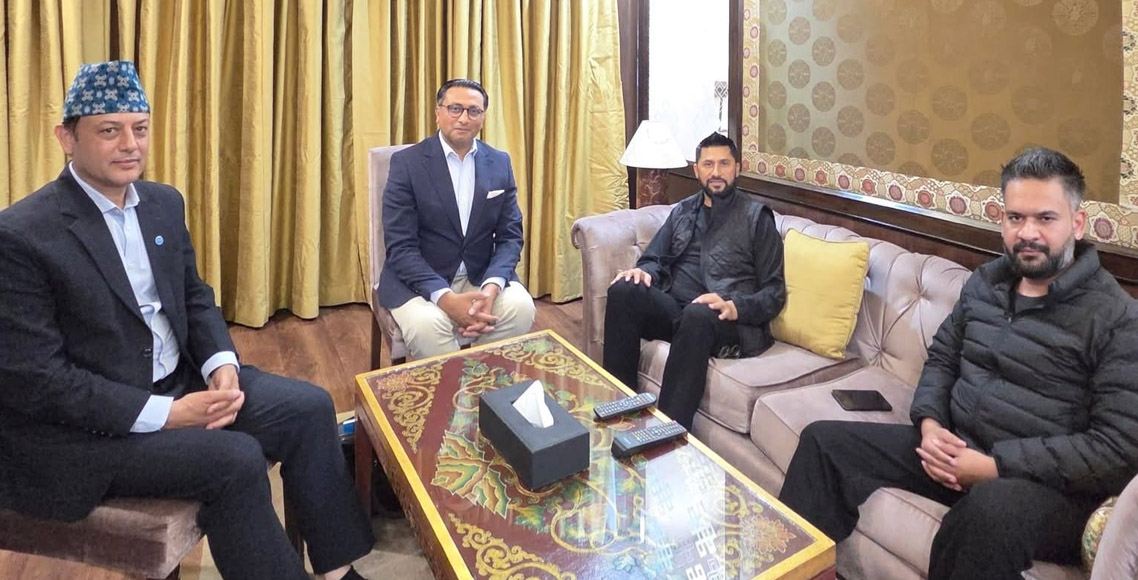
Kathmandu — Senior leader of the Rastriya Swatantra Party, Balen Shah, who is poised to assume the office of Prime Minister following a decisive electoral victory from Jhapa–5, has remained largely absent from public view in recent weeks. However, party insiders say his silence reflects not disengagement but an intense period of preparation, as he works behind closed doors to finalize a comprehensive reform roadmap before formally entering Singha Durbar.
According to party sources, Shah has been staying in a Kathmandu hotel for the past two weeks, holding a series of consultations with former bureaucrats, security experts, and technical advisors. These discussions, they say, are centered on restructuring Nepal’s administrative framework and ensuring that governance reforms begin immediately upon assuming office. Meetings with party president Rabi Lamichhane have reportedly been frequent, indicating close coordination at the top level as the party prepares to transition from opposition to governance.
Leaders close to Shah claim that a detailed “first-day action plan” has already been prepared, along with a minimum common program to be endorsed by the Cabinet. While the specifics remain undisclosed, party officials hint that the initial decisions will be bold and potentially unexpected, aimed at signaling a clear break from traditional governance practices. The emphasis appears to be on immediate delivery, with a structured 100-day roadmap designed to demonstrate visible change.
One of the central pillars of Shah’s approach is expected to be the downsizing and restructuring of the government. Party spokespersons have indicated that the number of ministries could be reduced to around 15, with overlapping portfolios merged to create a leaner and more efficient Cabinet. This reflects a broader attempt to shift focus from bureaucratic expansion toward performance-driven governance, where ministers are evaluated on outcomes rather than positions.
In parallel, Shah is said to have begun assigning responsibilities to capable lawmakers within the party, including figures such as Sagar Dhakal and others. This early delegation suggests a management style that prioritizes specialization and accountability, potentially departing from conventional power-sharing arrangements often seen in coalition politics.
The reform agenda also places strong emphasis on improving public service delivery. Long-standing inefficiencies — particularly in areas such as driving license issuance — are being targeted for immediate intervention. Party leaders indicate that digitalization of government services will be a key priority, aimed at reducing delays, minimizing corruption, and enhancing citizen experience. Such measures are expected to form part of the early decisions within the first 100 days.
Beyond administrative efficiency, the party is preparing for structural changes in the state apparatus. More than 20 departments, development committees, and boards are reportedly under review for potential abolition or restructuring. These entities, often criticized for political appointments and limited effectiveness, are seen as contributing to fiscal burden without delivering proportional results. Party officials claim that as many as 1,100 politically appointed positions could be affected, with a call already issued for voluntary resignations.
The proposed reforms extend to appointments in constitutional bodies and public institutions. Shah’s team is considering a shift toward merit-based selection, reducing political influence in key state institutions. There are also discussions around investigating the assets of high-ranking officials since 1990, signaling a संभावित push toward greater accountability and anti-corruption measures.
Economically, the incoming leadership appears aware of the need to restore private sector confidence. Party leaders have hinted at policies aimed at creating an investment-friendly environment, ensuring security for businesses, and encouraging domestic and foreign investment. At a time when economic uncertainty and youth frustration are rising, the government is expected to introduce targeted programs to address unemployment and rebuild public trust.
Despite the ambitious plans, analysts caution that the success of such reforms will depend heavily on execution. Nepal’s governance system is deeply entrenched, and efforts to dismantle or restructure institutions may face resistance from within the political and bureaucratic establishment. Moreover, balancing rapid decision-making with institutional stability will be a key challenge for the new leadership.
Shah is scheduled to take the oath of office on Chaitra 13 through a ceremonial process incorporating Vedic and Buddhist rituals, followed by formal assumption of duties at Singha Durbar. The symbolism of the ceremony, combined with the promise of swift action, reflects an attempt to blend tradition with a narrative of transformative governance.
As anticipation builds, the focus now shifts from promises to delivery. The coming weeks will reveal whether Shah’s carefully prepared plans can translate into tangible outcomes, or whether structural constraints will temper the pace of change. Either way, his leadership marks a moment of heightened expectation in Nepal’s political and economic landscape.
Advertisement
Written by
Dipesh Ghimire