Banks Turn to FIFA World Cup
Banks Turn to FIFA World Cup 2026 as a Strategic Investment Platform
Ultimately, the FIFA World Cup has become much more than a football championship. It now represents a global marketplace where sports, finance, technology, and branding intersect. The participation of major financial institutions such as Bank of America signals that international banking is entering a new phase of sports marketing, where investment in global events is viewed not merely as sponsorship but as a long-term strategy for business expansion and customer growth.
Dipesh Ghimire
3 min read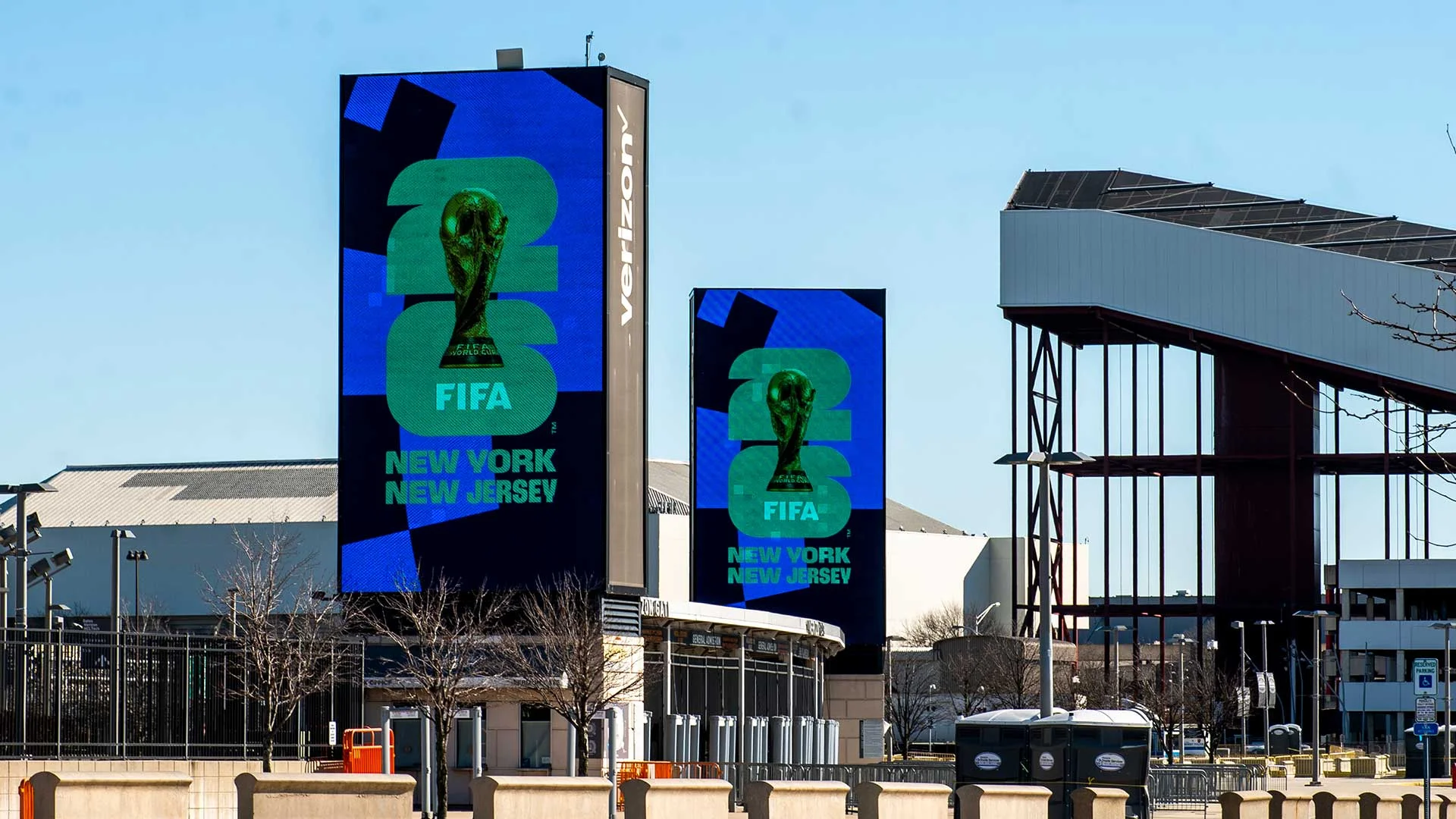
The FIFA World Cup has long been recognized as the world's most-watched sporting event, but its significance now extends far beyond football. As global audiences continue to grow and digital commerce expands, the tournament has evolved into one of the largest marketing and financial platforms for multinational corporations. In recent years, banks and financial institutions have increasingly viewed the World Cup as an opportunity to strengthen their global presence, attract new customers, and promote digital financial services.
Preparations for the FIFA World Cup 2026 have already highlighted this growing trend. Major international banks are committing substantial investments through sponsorship agreements, payment partnerships, promotional campaigns, and customer engagement programs. Rather than treating the tournament solely as a sporting spectacle, financial institutions are positioning it as a strategic business opportunity capable of generating long-term commercial value.
One of the most significant developments ahead of the 2026 tournament is the entry of Bank of America as FIFA's Official Bank Sponsor. The agreement marks the first time in FIFA's history that a banking institution has secured such a global sponsorship position. Although the exact financial terms have not been disclosed publicly, industry analysts estimate that sponsorship at this level could be worth around US$100 million, reflecting the increasing commercial importance of international football for the financial sector.
The decision illustrates how global banks are reshaping their marketing strategies. With billions of viewers expected to watch matches across television and digital platforms, the World Cup offers an unmatched opportunity to showcase financial products and services to a worldwide audience. For banks, the event is no longer simply about brand visibility—it is also about expanding customer relationships in an increasingly digital economy.
Financial institutions are particularly focused on promoting credit cards, mobile banking, digital wallets, and cross-border payment solutions during the tournament. As international travel and online transactions continue to rise, the World Cup provides an ideal environment for encouraging consumers to adopt digital payment systems. Many banks expect increased transaction volumes and stronger customer engagement through event-linked financial services.
Another important aspect of the strategy involves emotional branding. Football generates deep emotional connections among supporters, allowing banks to associate their brands with memorable experiences rather than conventional advertising. Exclusive ticket access, fan rewards, promotional campaigns, and football-themed banking products have become powerful tools to strengthen customer loyalty while attracting younger consumers who increasingly rely on digital financial platforms.
Around the world, banks and payment service providers have already begun introducing World Cup-branded debit and credit cards, cashback offers, international payment discounts, and reward programs linked to tournament activities. These initiatives are designed not only to boost transaction volumes during the event but also to retain customers long after the competition concludes.
The growing involvement of banks in global sporting events reflects a broader transformation in financial marketing. Institutions are shifting from traditional advertising toward experience-driven engagement, where entertainment, technology, and financial services converge. Large-scale international tournaments provide access to diverse consumer groups that would otherwise require years of conventional marketing efforts to reach.
The trend could also influence emerging markets such as Nepal. As digital banking adoption continues to increase and competition among financial institutions intensifies, local banks may explore partnerships with international sporting events or launch football-related promotional campaigns to appeal to younger customers. Such initiatives could support digital payment adoption while enhancing brand recognition in an increasingly competitive banking landscape.
Ultimately, the FIFA World Cup has become much more than a football championship. It now represents a global marketplace where sports, finance, technology, and branding intersect. The participation of major financial institutions such as Bank of America signals that international banking is entering a new phase of sports marketing, where investment in global events is viewed not merely as sponsorship but as a long-term strategy for business expansion and customer growth.
Advertisement
Written by
Dipesh Ghimire