132 kV Transmission Line
Bheri–Babai Project Moves Toward Power Integration as 132 kV Transmission Line Plan Advances
However, timely completion will depend on resolving remaining construction challenges, securing environmental approvals and maintaining coordination among government agencies. The success of the project will ultimately depend not only on completing physical structures but also on ensuring that its irrigation and energy benefits reach the intended communities.
Dipesh Ghimire
3 min read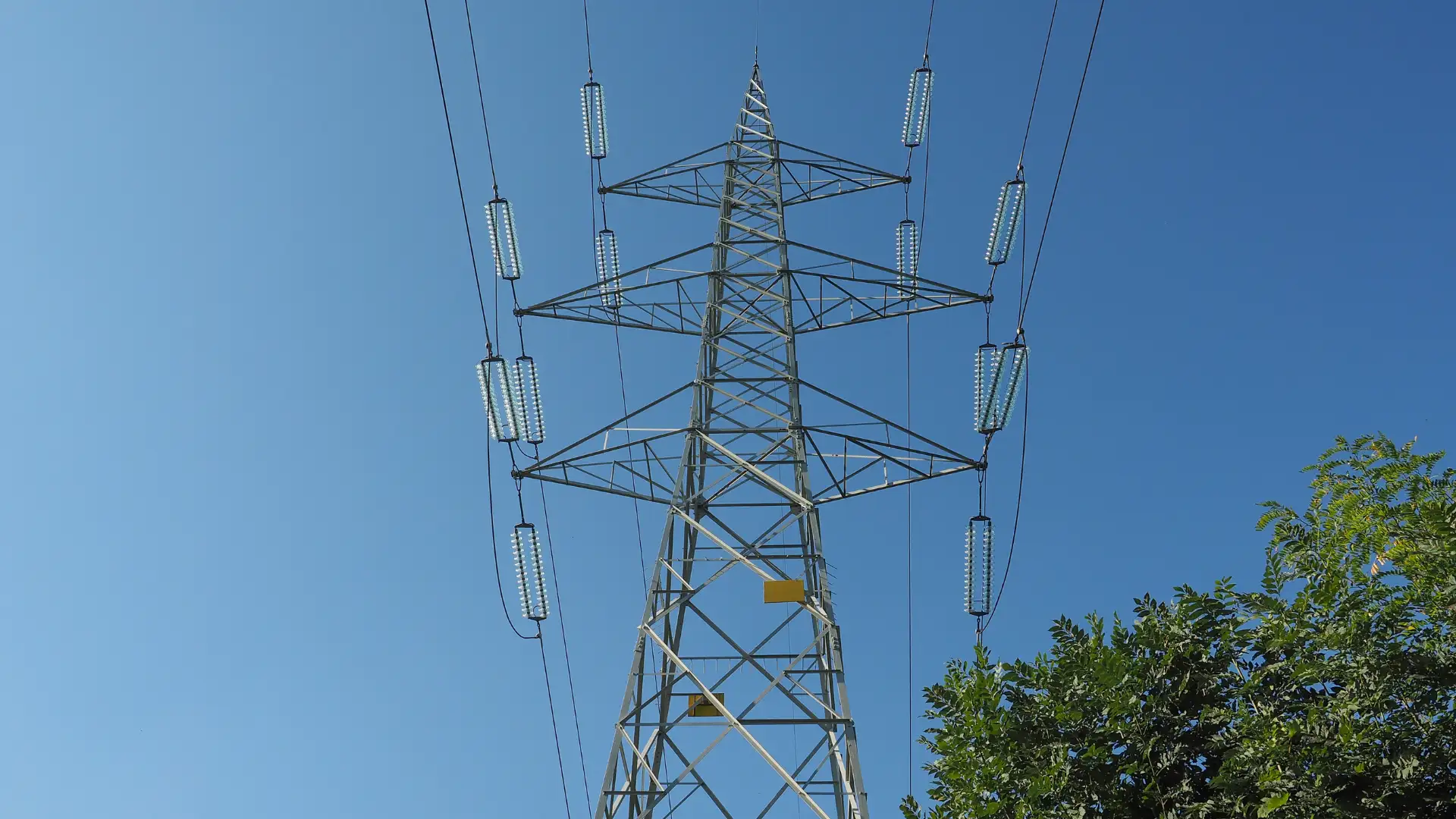
The government has started preparations to connect electricity generated from the national pride Bheri–Babai Diversion Multipurpose Project to Nepal’s national transmission network through a dedicated 132 kV transmission line. The planned infrastructure is expected to play a crucial role in ensuring that power generated from the project reaches consumers through the national grid once the hydropower component becomes operational.
According to project officials, the electricity produced from Bheri–Babai will be linked with the Kohalpur–Surkhet 132 kV transmission line constructed by the Nepal Electricity Authority. A 1.7-kilometre transmission line will be built to establish the connection between the project’s power generation facility and the existing transmission system.
The transmission link is being developed as an essential part of the project’s hydropower component, which aims to generate around 46.8 megawatts of electricity by utilizing water diverted from the Bheri River. The project has been designed as a multipurpose initiative, combining irrigation expansion with renewable energy production.
Under the project plan, water from the Bheri River will be transferred through a 12-kilometre-long diversion tunnel into the Babai River. The diverted water is expected to provide year-round irrigation facilities to around 51,000 hectares of agricultural land in Banke and Bardiya districts, potentially improving agricultural productivity and reducing dependence on seasonal rainfall.
The proposed transmission line, however, will pass through environmentally sensitive areas. According to the project plan, nine towers will be constructed along the transmission route. Three towers will fall within the core area of Bardiya National Park, while the remaining six will be located in the park’s buffer zone.
The transmission corridor will have an 18-metre right of way, affecting areas including Bheriganga Municipality–5 of Surkhet and parts of Bardiya National Park. Since the project involves protected areas, authorities have begun the process of preparing an Environmental Impact Assessment (EIA) report and have requested suggestions from concerned stakeholders before moving ahead.
The environmental concerns surrounding the transmission route highlight the challenge of balancing infrastructure development with conservation requirements. While the transmission line is necessary for utilizing electricity from the project, construction inside protected areas will require strict environmental safeguards and careful implementation.
Meanwhile, the overall progress of the Bheri–Babai project remains below the expected pace. Project officials said physical progress has reached around 70 percent, while financial progress stands at approximately 57 percent. The remaining construction activities are expected to take around three more years to complete.
Project Information Officer Haribahadur Thapa said that additional time would be required to finish the remaining works, including civil construction, hydro-mechanical systems and electro-mechanical installations.
The slower-than-expected progress has drawn government attention. Energy, Water Resources and Irrigation Minister Biraj Bhakta Shrestha recently inspected the project site and instructed officials to accelerate construction activities to avoid further delays.
One of the most difficult and technically significant components of the project — the diversion tunnel — has already been completed. The completion of the tunnel represents a major achievement, as it forms the core structure for transferring water between the two rivers.
With tunnel construction completed, the project has now entered a critical phase involving installation of mechanical and electrical equipment, completion of civil structures and development of supporting infrastructure such as the transmission connection.
The planned 132 kV transmission line indicates that authorities are preparing for the next stage of the project, where electricity generation and grid integration must progress together. Without a reliable evacuation system, the hydropower component could face operational difficulties even after generation facilities are completed.
The Bheri–Babai project is considered one of Nepal’s strategically important infrastructure projects because it combines water resource management, agricultural development and clean energy production. Once completed, it is expected to contribute to irrigation security in western Nepal while adding renewable electricity to the national grid.
However, timely completion will depend on resolving remaining construction challenges, securing environmental approvals and maintaining coordination among government agencies. The success of the project will ultimately depend not only on completing physical structures but also on ensuring that its irrigation and energy benefits reach the intended communities.
Advertisement
Written by
Dipesh Ghimire