Top
Climate risks cast shadow over Nepal’s hydropower future
NPR 1.31 trillion investment faces growing uncertainty Falling river flows and disasters hit energy output Banks exposed as loans worth NPR 870 billion come under pressure
Dipesh Ghimire
3 min read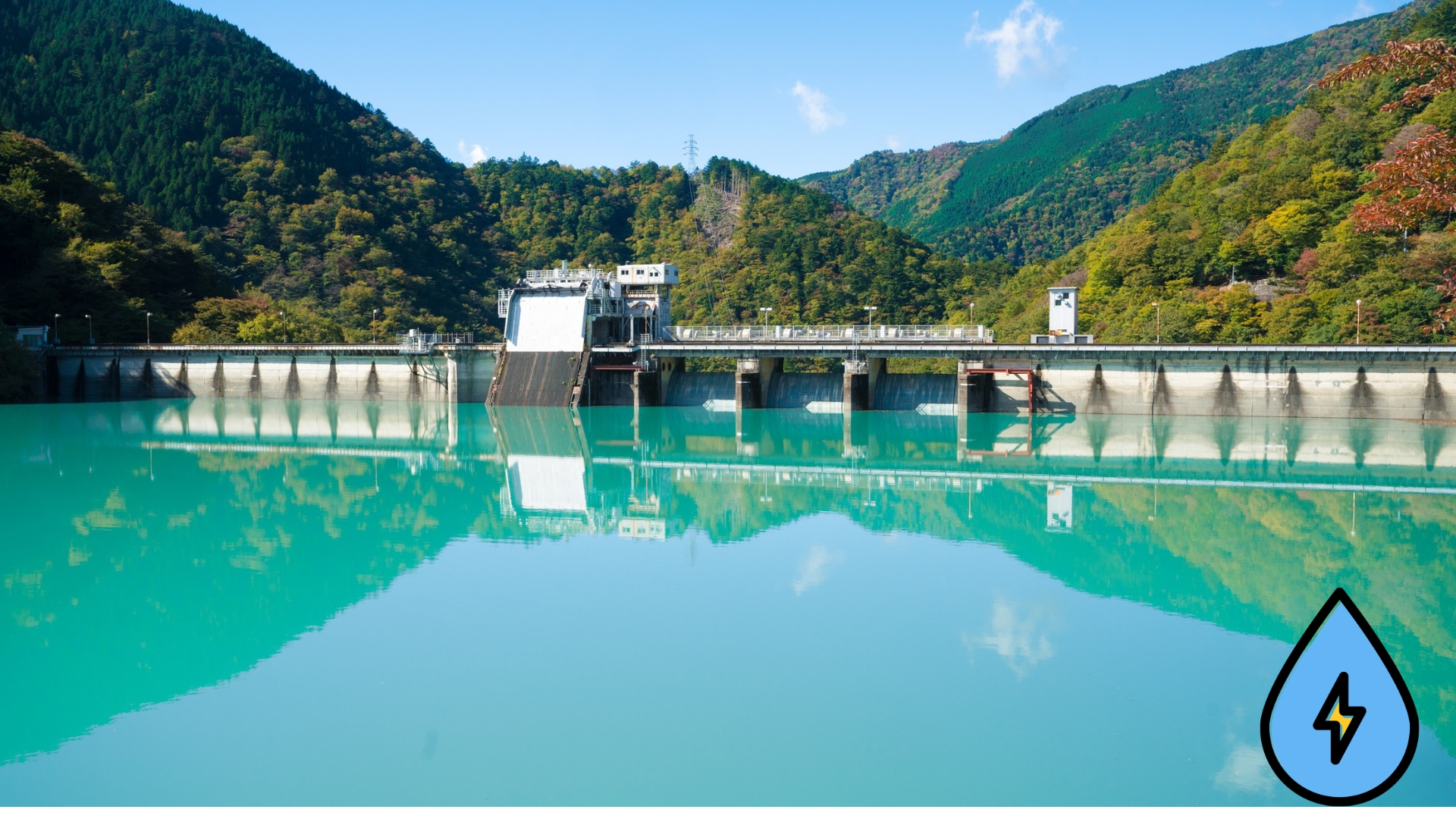
Nepal’s hydropower sector—long regarded as the backbone of the country’s economic transformation—is increasingly under strain from the intensifying impacts of climate change. Despite having an estimated potential of 72,000 megawatts, the sector is now grappling with unpredictable weather patterns, shrinking water sources, and rising disaster risks that threaten both energy security and financial stability.
Over the years, the sector has attracted investment exceeding NPR 1.31 trillion, with banks and financial institutions alone contributing around NPR 870 billion in loans. However, this massive exposure is now under scrutiny as floods, landslides, and prolonged dry spells disrupt production cycles and damage infrastructure. What was once considered a relatively secure investment is gradually turning into a high-risk portfolio segment.
Recent disasters highlight the growing vulnerability. From the devastating Jure landslide in 2014, which blocked the Sunkoshi River for hours and damaged hydropower facilities, to the floods in eastern Nepal in 2021 and again in 2024, extreme weather events have repeatedly disrupted operations. The floods in October 2024 alone affected around 1,400 megawatts of capacity and triggered insurance claims worth approximately NPR 4 billion, underlining the financial scale of such risks.
Beyond sudden disasters, a more structural challenge is emerging: declining water availability. Studies suggest that water flow in rivers is decreasing by around 10 percent annually in some hydropower projects, primarily due to rising temperatures, reduced snowfall, and shifting precipitation patterns. During the dry season, many projects are now operating at just 30 percent of their installed capacity, severely impacting revenue generation.
Projections are even more concerning. In certain river basins, average flow could decline by up to 48 percent in the coming decades. This has direct implications for project viability, as lower generation not only reduces income but also exposes developers to penalties under existing agreements with the Nepal Electricity Authority.
The banking sector is particularly vulnerable to these developments. Under regulatory requirements set by Nepal Rastra Bank, financial institutions are mandated to allocate a portion of their lending to hydropower projects. However, with project delays, cost overruns, and declining output, many developers are struggling to meet debt obligations. This raises concerns about rising non-performing loans and potential liquidity stress in the financial system.
Climate data further reinforces the urgency of the situation. According to the Department of Hydrology and Meteorology, Nepal’s temperature is rising faster than the global average. While global temperatures have increased by about 1.2°C over a century, Nepal has recorded a rise of up to 1.2°C within a much shorter timeframe. Annual temperature increases, particularly in mountainous regions, are accelerating glacier melt and altering river systems.
This has brought another major risk into focus: glacial lake outburst floods (GLOFs). Data from International Centre for Integrated Mountain Development shows that dozens of glacial lakes in the Himalayas are at high risk of bursting, with at least 21 located within Nepal. If these lakes rupture, they could devastate downstream hydropower infrastructure, putting up to one-third of projects at risk, according to industry estimates.
Despite these challenges, the sector continues to expand. Nepal has already installed around 4,000 megawatts of capacity, with the private sector contributing the majority. Hundreds of projects are at various stages—from construction to feasibility studies—reflecting strong long-term interest. Yet, this growth trajectory now depends heavily on how effectively climate risks are managed.
Policy responses are gradually evolving. The central bank has introduced frameworks such as the “Green Finance Taxonomy 2024” and Environmental and Social Risk Management guidelines, requiring banks to incorporate climate risk assessments into lending decisions. These measures aim to align financial flows with sustainable and climate-resilient development.
However, experts argue that policy alone is not enough. The sector needs a structural shift—from predominantly run-of-river projects to more storage-based systems that can better manage seasonal variability. Investments in climate-resilient infrastructure, early warning systems, and diversified energy sources, including solar, are also seen as critical.
For Nepal, the stakes are high. Hydropower is not just an energy source but a cornerstone of economic growth, export potential, and industrial development. As climate risks intensify, the country faces a defining challenge: whether it can adapt its energy strategy in time to safeguard both its investments and its future.
Advertisement
Written by
Dipesh Ghimire