Top
Commercial Banks Lower Deposit Interest Rates as Liquidity Improves
Commercial Banks Lower Deposit Interest Rates as Liquidity Improves Commercial banks in Nepal have reduced the interest rates on fixed deposits for the month of Chaitra, reflecting improved liquidity conditions in the banking system and declining competition for deposits. According to the latest interest rate notices published by banks, the maximum interest rate offered on individual fixed deposits has generally fallen below 5 percent, indicating a continued downward trend in deposit rates across the sector.
Dipesh Ghimire
3 min read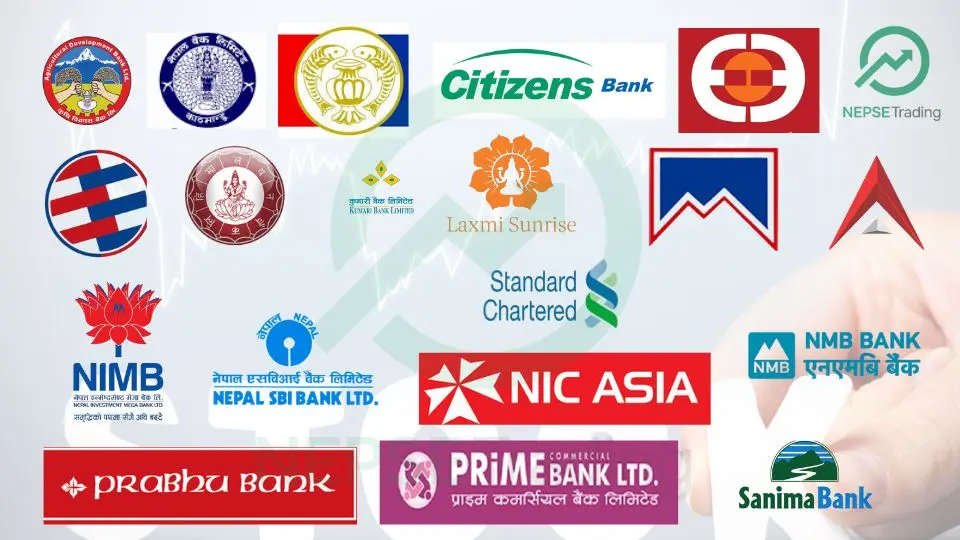
Commercial banks in Nepal have reduced the interest rates on fixed deposits for the month of Chaitra, reflecting improved liquidity conditions in the banking system and declining competition for deposits. According to the latest interest rate notices published by banks, the maximum interest rate offered on individual fixed deposits has generally fallen below 5 percent, indicating a continued downward trend in deposit rates across the sector.
Data from 20 commercial banks show that the average interest rate on individual fixed deposits has declined to around 4.49 percent, while the average institutional deposit rate stands at about 3.29 percent. Compared to the previous months, several banks have adjusted their rates downward, while others have kept them unchanged. The decline in rates suggests that banks currently have sufficient liquidity and are under less pressure to attract deposits through higher returns.
Among the commercial banks, NMB Bank, NIC Asia Bank, Himalayan Bank, and Rastriya Banijya Bank are offering the highest interest rate of 5 percent on individual fixed deposits. These banks continue to maintain relatively competitive rates compared to others in the market. On the other hand, Standard Chartered Bank is offering the lowest individual deposit rate at around 4.11 percent, reflecting a more conservative deposit strategy.
Most other banks have positioned their deposit rates within a narrow band between 4.25 percent and 4.55 percent. Banks such as Nabil Bank and Prabhu Bank are offering around 4.55 percent, while Global IME Bank, Machhapuchchhre Bank, Laxmi Sunrise Bank, Citizens Bank, Nepal Bank, and Sanima Bank are offering around 4.50 percent. Similarly, Siddhartha Bank, Nepal SBI Bank, and Everest Bank are offering about 4.25 percent, placing them slightly below the market average.
Institutional deposit rates are comparatively lower, as banks generally offer reduced returns on deposits from institutions due to their larger size and lower operational costs. Most banks are providing institutional deposit rates between 2.65 percent and 3.55 percent, with the lowest rates observed at around 2.65 percent, offered by banks such as Agriculture Development Bank, Prime Commercial Bank, Standard Chartered Bank, Nepal SBI Bank, and Prabhu Bank. Meanwhile, the highest institutional deposit rates of around 4 percent are offered by NMB Bank, NIC Asia Bank, Himalayan Bank, and Rastriya Banijya Bank.
The decline in deposit interest rates is largely attributed to improving liquidity conditions within the banking sector. Over the past several months, banks have been witnessing higher deposit inflows compared to credit demand, resulting in surplus liquidity in the financial system. When banks have excess liquidity, they typically reduce deposit rates to manage funding costs and maintain profitability.
Another contributing factor is the slow pace of credit expansion in the economy. With economic activity yet to fully regain momentum and loan demand remaining moderate, banks are not under pressure to mobilize additional deposits aggressively. As a result, they have gradually lowered deposit rates while maintaining stable lending rates.
Financial analysts believe that the continued decline in deposit rates could have broader implications for investors and financial markets. Lower returns on bank deposits often encourage investors to explore alternative investment avenues, including the capital market. In the past, similar declines in deposit rates have contributed to increased participation in the stock market, as investors seek higher returns compared to traditional savings instruments.
However, experts also caution that the overall direction of the financial market will depend on several factors, including monetary policy, economic growth, credit demand, and investor confidence. If deposit rates continue to decline while liquidity remains comfortable, it could gradually support investment activity in other sectors of the economy.
Overall, the latest interest rate adjustments by commercial banks signal a phase of liquidity comfort and cautious financial management within Nepal’s banking sector, as institutions balance deposit mobilization with the current pace of lending and broader economic conditions.
Advertisement
Written by
Dipesh Ghimire