Top
Court Refuses Interim Relief in Pure Energy’s ISIN Case, Flags Need for Full Adjudication
Court Refuses Interim Relief in Pure Energy’s ISIN Case, Flags Need for Full Adjudication The dispute over assigning a single International Securities Identification Number (ISIN) to different classes of shares has reached a critical legal juncture, after the High Court Patan declined to issue an interim order sought by Pure Energy Limited. While denying temporary relief, the court has accorded priority to the hearing of the writ petition, underscoring the wider implications of the case for Nepal’s securities market. Pure Energy had approached the court demanding that both promoter and public shares be assigned a single ISIN, arguing that the current practice of separate identifiers was creating unnecessary complications. A joint bench of Justices Suryanath Prakash Adhikari and Narayan Prasad Suvedi ruled that the issue was substantive in nature and required a final determination rather than interim intervention. The dispute over assigning a single International Securities Identification Number (ISIN) to different classes of shares has reached a critical legal juncture, after the High Court Patan declined to issue an interim order sought by Pure Energy Limited. While denying temporary relief, the court has accorded priority to the hearing of the writ petition, underscoring the wider implications of the case for Nepal’s securities market. Pure Energy had approached the court demanding that both promoter and public shares be assigned a single ISIN, arguing that the current practice of separate identifiers was creating unnecessary complications. A joint bench of Justices Suryanath Prakash Adhikari and Narayan Prasad Suvedi ruled that the issue was substantive in nature and required a final determination rather than interim intervention.
Dipesh Ghimire
2 min read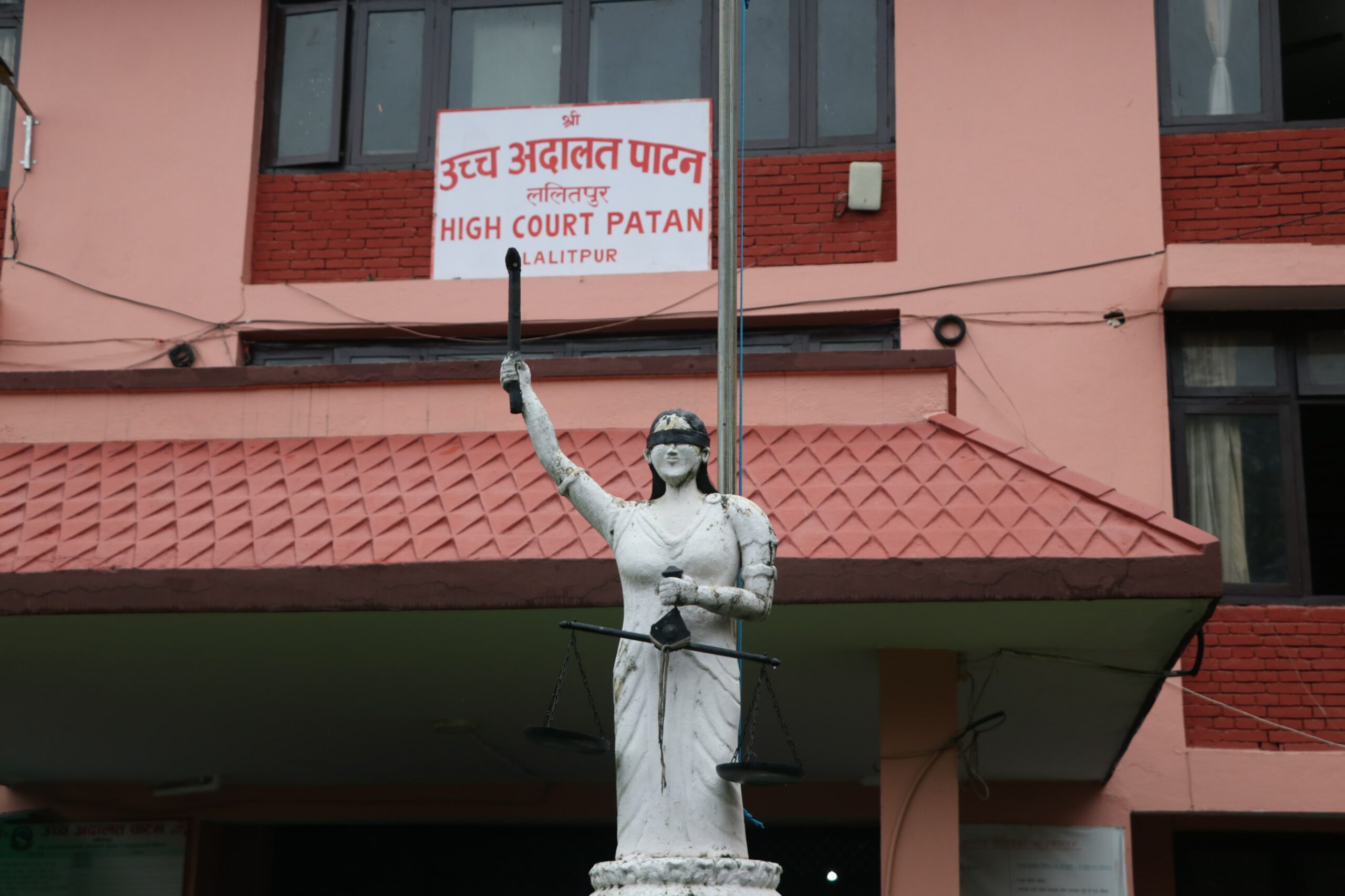
The dispute over assigning a single International Securities Identification Number (ISIN) to different classes of shares has reached a critical legal juncture, after the High Court Patan declined to issue an interim order sought by Pure Energy Limited. While denying temporary relief, the court has accorded priority to the hearing of the writ petition, underscoring the wider implications of the case for Nepal’s securities market.
Pure Energy had approached the court demanding that both promoter and public shares be assigned a single ISIN, arguing that the current practice of separate identifiers was creating unnecessary complications. A joint bench of Justices Suryanath Prakash Adhikari and Narayan Prasad Suvedi ruled that the issue was substantive in nature and required a final determination rather than interim intervention.
In its order, the court noted that issuing an interim directive at this stage would be inappropriate, as the matter involves interpretation of securities laws and regulatory frameworks. However, by granting priority to the case, the bench signaled that the controversy warrants swift judicial clarification, given its potential impact on listed companies and investors.
At the heart of the dispute is the role of CDS and Clearing Limited (CDSC), which has refused to credit Pure Energy’s promoter shares into demat accounts. CDSC maintains that shares of different nature—promoter and public—cannot legally share the same ISIN, citing prevailing dematerialization practices. As a result, promoter shareholders have been unable to receive their shares in electronic form.
Pure Energy had listed 8 million shares on the Nepal Stock Exchange on Jestha 12, 2082, including 6.4 million promoter shares and 1.6 million public shares. While public shares have been credited without issue, the promoter shares remain frozen due to the unresolved ISIN dispute, effectively stalling part of the post-listing process.
The regulatory backdrop further complicates the matter. CDSC has prepared an ISIN-related framework under the Securities Dematerialization Operation Directive, 2082, which has been submitted to the Securities Board of Nepal for approval. Although discussions have taken place, the directive has yet to receive formal endorsement, leaving room for differing interpretations and legal challenges.
Market observers say the outcome of the case could have far-reaching consequences. A ruling in favor of a single ISIN could alter long-standing dematerialization practices, while upholding the current system would reinforce stricter separation between promoter and public share classes. Either way, the judgment is expected to set a precedent for future listings.
For now, the court’s refusal to grant interim relief means the status quo will continue. But with a priority hearing assured, stakeholders—from issuers and regulators to investors—are watching closely, aware that the final verdict may redefine how Nepal’s capital market handles share identification and ownership transparency.
Advertisement
Written by
Dipesh Ghimire