Top
Customs Mismatch and Politicized Budgeting Expose Deeper Fault Lines in Nepal’s Economy
Customs Mismatch and Politicized Budgeting Expose Deeper Fault Lines in Nepal’s Economy Kathmandu — Monday’s meeting of the Finance Committee under the House of Representatives brought to the surface a set of interconnected problems that go beyond routine policy concerns. Lawmakers warned that gaps in customs valuation and a politically influenced budget allocation system are not only weakening revenue collection but also distorting the overall economic structure.
Dipesh Ghimire
2 min read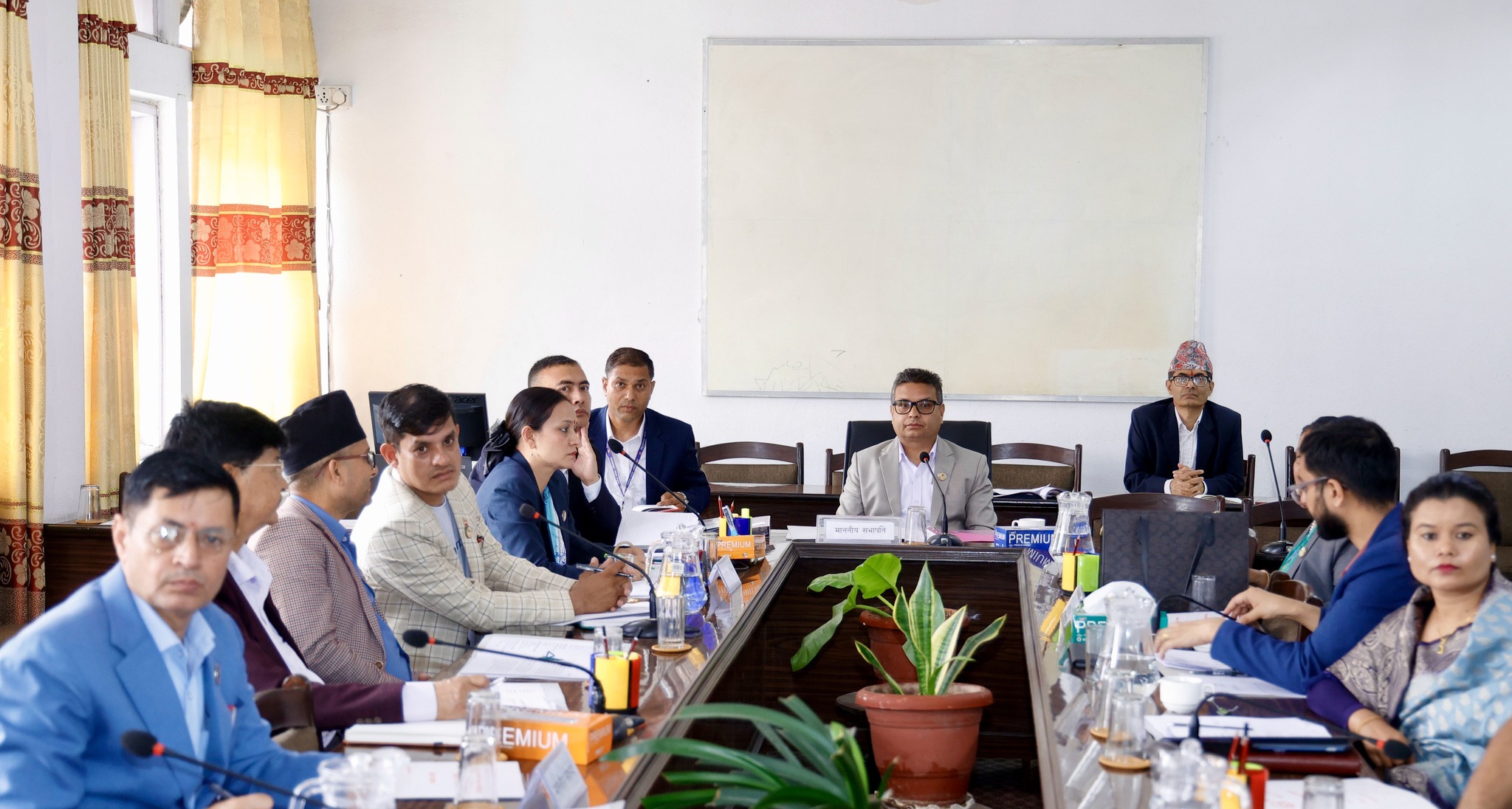
Kathmandu — Monday’s meeting of the Finance Committee under the House of Representatives brought to the surface a set of interconnected problems that go beyond routine policy concerns. Lawmakers warned that gaps in customs valuation and a politically influenced budget allocation system are not only weakening revenue collection but also distorting the overall economic structure.
A key issue raised was the mismatch between government-fixed customs values and the actual prices at which goods are imported. When official valuations remain lower than real market costs, businesses are placed in a difficult position. To manage taxes and remain competitive, many traders reportedly declare lower values through formal channels while settling the remaining amount through informal systems such as hundi. This practice, lawmakers argued, has effectively created a parallel financial flow that operates outside state control, leading to significant revenue leakage.
The problem, however, is not merely about enforcement. It reflects a deeper policy imbalance. If customs valuations are not regularly updated to reflect real market dynamics, businesses are incentivized to bypass formal systems. At the same time, stricter controls without realistic pricing frameworks may further push transactions underground. The lack of reliable data on the scale of hundi transactions adds another layer of complexity, making it difficult for authorities to design effective interventions.
Alongside revenue concerns, lawmakers sharply criticized the budget allocation process, describing it as heavily influenced by political access rather than objective development needs. Regions with stronger political connections tend to receive a larger share of public funds, while remote and less represented areas continue to fall behind. This imbalance, according to committee members, has been a persistent weakness in Nepal’s governance system and a key factor behind public dissatisfaction with political institutions.
The absence of transparent and criteria-based budgeting was also highlighted as a major concern. Without clear guidelines for prioritizing projects and distributing resources, public spending risks becoming inefficient and uneven. Development initiatives may be driven more by influence than impact, resulting in fragmented progress and limited long-term benefits.
Taken together, the issues discussed in the committee point to broader structural challenges within Nepal’s economic management. The link between undervalued imports, informal financial transfers, and inequitable budget distribution suggests that economic inefficiencies are deeply rooted across multiple layers of governance.
The committee’s call for reforms — including aligning customs valuation with real market prices, improving tax systems, and ensuring transparent and equitable budget allocation — signals a growing recognition that piecemeal solutions may no longer be sufficient. The effectiveness of future policy actions will likely determine whether Nepal can reduce financial leakages and build a more balanced and accountable economic system.
Advertisement
Written by
Dipesh Ghimire