Digital Monitoring Portal
Digital Monitoring Portal to Transform Oversight of Nepal’s Major Irrigation Projects
The introduction of the portal reflects an attempt to move irrigation project management from a reactive approach to a proactive one. If effectively implemented, the system could become an important tool for improving transparency, reducing delays and ensuring that major irrigation investments deliver results within planned timelines.
Dipesh Ghimire
3 min read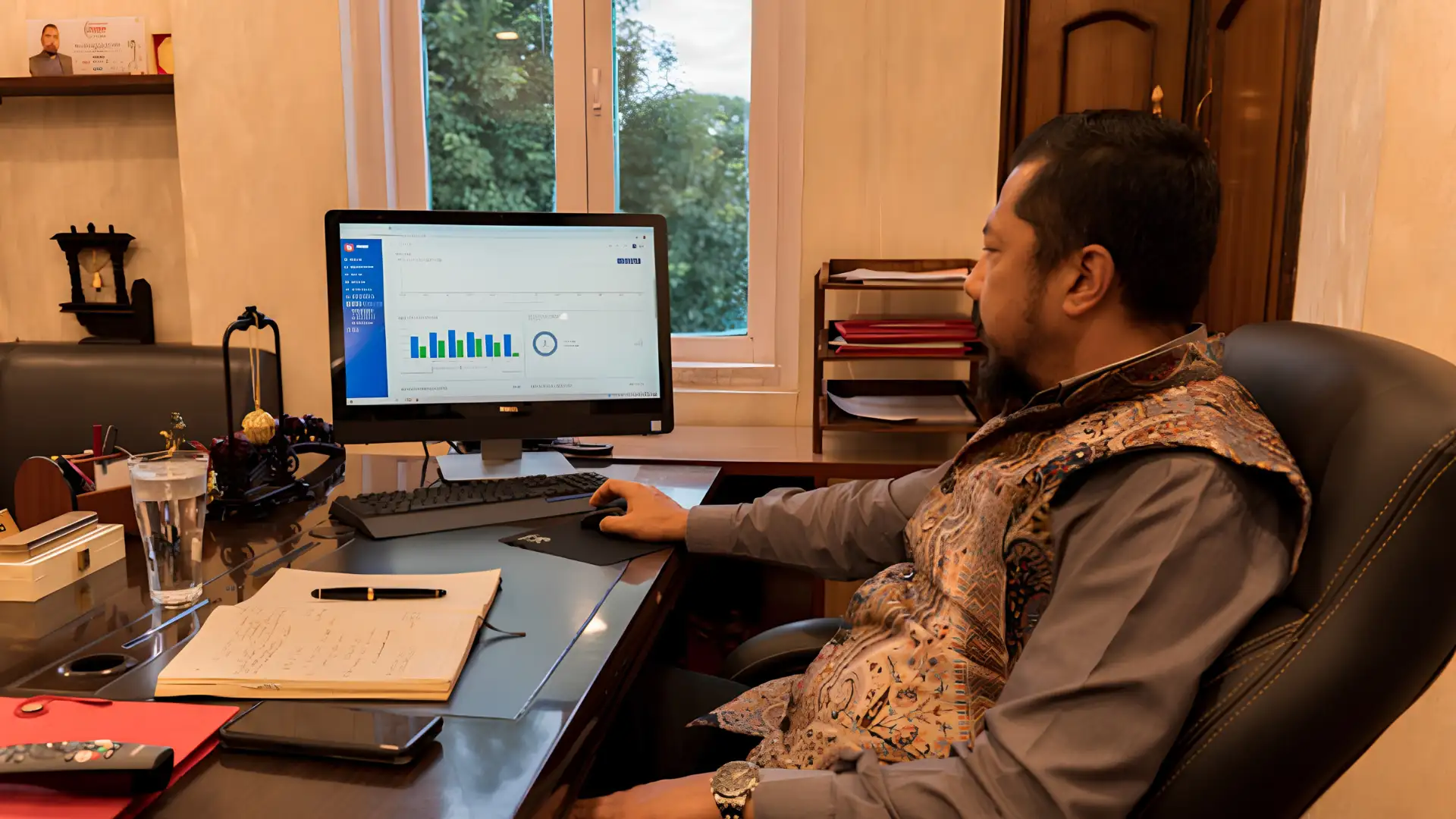
The Ministry of Energy, Water Resources and Irrigation has introduced an integrated digital monitoring portal aimed at improving the supervision, management and implementation of national pride irrigation projects. The new system is designed to provide real-time information on physical progress, financial performance, budget utilization, contract execution and construction-related challenges, allowing government authorities to track project developments from a centralized digital platform.
The ministry said the portal marks a shift from traditional project monitoring practices, where progress assessments were largely dependent on field visits and periodic reports. Under the previous system, delays, contract-related disputes and implementation problems often came to attention only after significant time had passed. Officials believe the digital platform will help identify such issues at an early stage and enable faster intervention.
In its first phase, the portal has incorporated six major irrigation projects — Sikta Irrigation Project, Rani Jamara Kulariya Irrigation Project, Bheri–Babai Diversion Multipurpose Project, Sunkoshi–Marin Diversion Project, Mahakali Irrigation Project and Babai Irrigation Project. The ministry plans to gradually bring other irrigation projects under the same monitoring framework.
The decision to develop the system follows recent field inspections of several major irrigation projects by Energy, Water Resources and Irrigation Minister Biraj Bhakta Shrestha. According to the ministry, the inspections highlighted the need for a more systematic mechanism that could provide continuous updates on project conditions rather than relying only on occasional visits.
Through the new dashboard, the minister, ministry secretary and senior officials will be able to review project details directly from their offices. The system will provide information on construction progress, expenditure status, budget implementation, contract performance and obstacles affecting project completion. Officials expect that direct access to updated information will increase accountability among project management teams.
A major feature of the new system is the mandatory weekly reporting mechanism for project chiefs. Each project head will now be required to update details related to physical progress, financial status, contract implementation, claims and disputes, construction barriers and measures taken to resolve problems.
The ministry believes this approach will create a continuous feedback system between project sites and decision-making authorities. Instead of waiting for annual reviews or delayed reports, government agencies will have access to updated project information throughout the year, enabling them to make timely decisions regarding resources, coordination and policy support.
The digital platform is also expected to improve transparency in identifying the reasons behind project delays. According to the ministry, the system will display project-related problems through geographical mapping, automatically generate progress reports and provide details about delayed construction packages, the duration of unresolved issues and the responsible agencies or officials for corrective action.
Such features could be particularly important for large infrastructure projects, where delays often occur due to multiple factors, including land acquisition issues, contract disputes, budget limitations, technical challenges and coordination problems among government agencies. By linking problems with responsible authorities and timelines, the system is expected to strengthen institutional accountability.
The ministry has also announced plans to integrate the portal with monitoring systems of the Office of the Prime Minister and Council of Ministers and the National Planning Commission in the future. Officials say such integration will allow different government bodies to work with the same set of verified data while making decisions related to project priorities and resource allocation.
The new system could also change the way government prepares budget proposals for irrigation projects. Instead of requesting funds mainly on the basis of previous allocations or estimates, future budget proposals will be prepared using actual project data, including physical progress, spending capacity and existing implementation challenges.
Experts view the introduction of the digital monitoring system as part of a broader move toward technology-based governance in Nepal’s infrastructure sector. However, the effectiveness of the platform will depend on the accuracy and regularity of data updates from project offices, as well as the willingness of authorities to take corrective action based on the information generated by the system.
Speaking during the launch of the digital dashboard, Minister Shrestha said the system would not directly complete construction work but would help prevent projects from remaining stuck in administrative processes for months. He said timely identification of problems and faster coordination among concerned agencies could reduce delays and improve the overall efficiency of project implementation.
The introduction of the portal reflects an attempt to move irrigation project management from a reactive approach to a proactive one. If effectively implemented, the system could become an important tool for improving transparency, reducing delays and ensuring that major irrigation investments deliver results within planned timelines.
Advertisement
Written by
Dipesh Ghimire