Top
Electric Mini and Micro Buses Gain Ground as Imports Surge in Nepal
Electric Mini and Micro Buses Gain Ground as Imports Surge in Nepal Electric mini and micro buses are rapidly emerging as a dependable alternative in Nepal’s public transport system, with import figures showing a sharp rise over the past few years. As the domestic electric vehicle (EV) market expands at pace, battery-powered buses in the 11–25 seat segment are increasingly replacing petrol and diesel-powered internal combustion engine (ICE) vehicles, setting new import records. According to data from the Department of Customs, a total of 144 electric mini buses (15–25 seats) and 434 electric micro buses (11–14 seats) were imported by mid-January (Poush) of the current fiscal year 2082/83. In total, 577 EV buses worth Rs 1.80 billion entered the country during this period, generating Rs 423.4 million in government revenue. The figures highlight the growing commercial and fiscal significance of EV-based public transport.
Dipesh Ghimire
2 min read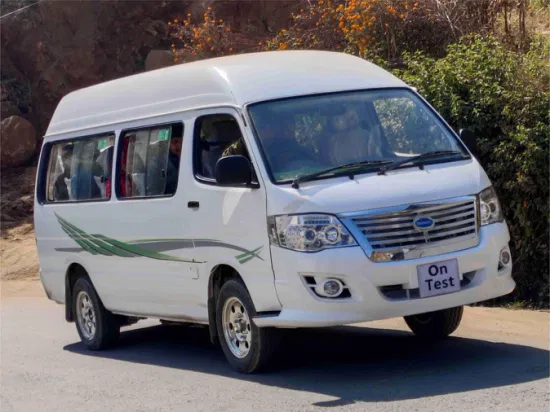
Electric mini and micro buses are rapidly emerging as a dependable alternative in Nepal’s public transport system, with import figures showing a sharp rise over the past few years. As the domestic electric vehicle (EV) market expands at pace, battery-powered buses in the 11–25 seat segment are increasingly replacing petrol and diesel-powered internal combustion engine (ICE) vehicles, setting new import records.
According to data from the Department of Customs, a total of 144 electric mini buses (15–25 seats) and 434 electric micro buses (11–14 seats) were imported by mid-January (Poush) of the current fiscal year 2082/83. In total, 577 EV buses worth Rs 1.80 billion entered the country during this period, generating Rs 423.4 million in government revenue. The figures highlight the growing commercial and fiscal significance of EV-based public transport.
The pace of imports has accelerated noticeably within a short span. By mid-December (Mangsir), imports stood at 77 electric mini buses and 378 electric micro buses, totaling 455 vehicles. This means 122 additional EV buses were imported in just one month. Traders say the steady month-on-month increase indicates that the market for electric mini and micro buses is gaining strong momentum in Nepal.
In contrast, imports of ICE vehicles in the same segment remain subdued. Customs data show that by mid-January, only 52 ICE mini buses (15–25 seats), 182 ICE micro buses (11–14 seats), and 53 larger buses of similar capacity were imported, totaling 287 vehicles. These ICE vehicles were imported at a value of Rs 588.9 million over six months, underscoring the declining preference for fossil-fuel-based buses in this category.
Industry insiders attribute the shift to multiple factors, including rising fuel prices, growing environmental concerns, and government incentives favoring electric mobility. Lower operating costs, simpler maintenance requirements, and the ability of EV micro buses to deliver reliable service over longer routes have made them particularly attractive to operators and drivers.
However, a year-on-year comparison suggests a more nuanced trend. While imports are rising month by month in the current fiscal year, cumulative figures up to mid-January are slightly lower than the same period last year. In fiscal year 2080/81, Nepal imported 1,260 electric mini buses and 1,830 electric micro buses, totaling 3,090 vehicles. During that year alone, 336 mini buses and 537 micro buses were imported by mid-January, valued at Rs 2.87 billion.
Despite this, long-term data indicate a strong upward trajectory. Over the past several years, imports of electric mini and micro buses have grown by wide margins, and market participants expect the current fiscal year to close with a significant increase as well. Government policies—such as tax exemptions, reduced customs duties, and plans to expand charging infrastructure—are cited as key drivers sustaining investor and operator confidence.
The expansion of charging stations in major cities including Kathmandu Valley, Pokhara, Chitwan, and Biratnagar has further improved the feasibility of operating EV micro buses. As charging access improves and demand continues to rise, businesses believe electric buses will play a central role in reshaping Nepal’s urban transport landscape.
With growing adoption and supportive policy measures, analysts say electric mini and micro buses are no longer a niche option but a core component of Nepal’s evolving transport system. If the current momentum is maintained, EVs are expected to make a meaningful contribution to reducing emissions, cutting fuel imports, and steering the country toward a more sustainable and green mobility future.
Advertisement
Written by
Dipesh Ghimire