Rasuwagadhi Hydropower
Flood Risk Forces Rasuwagadhi Hydropower to Halt Generation Amid Rising River Levels
The district administration has recommended using safer alternative routes for vehicles travelling toward Kerung after identifying risks along some road sections. Officials said continuous rainfall has increased water flow in rivers and streams, and the public should remain alert to possible disaster risks.
Dipesh Ghimire
1 min read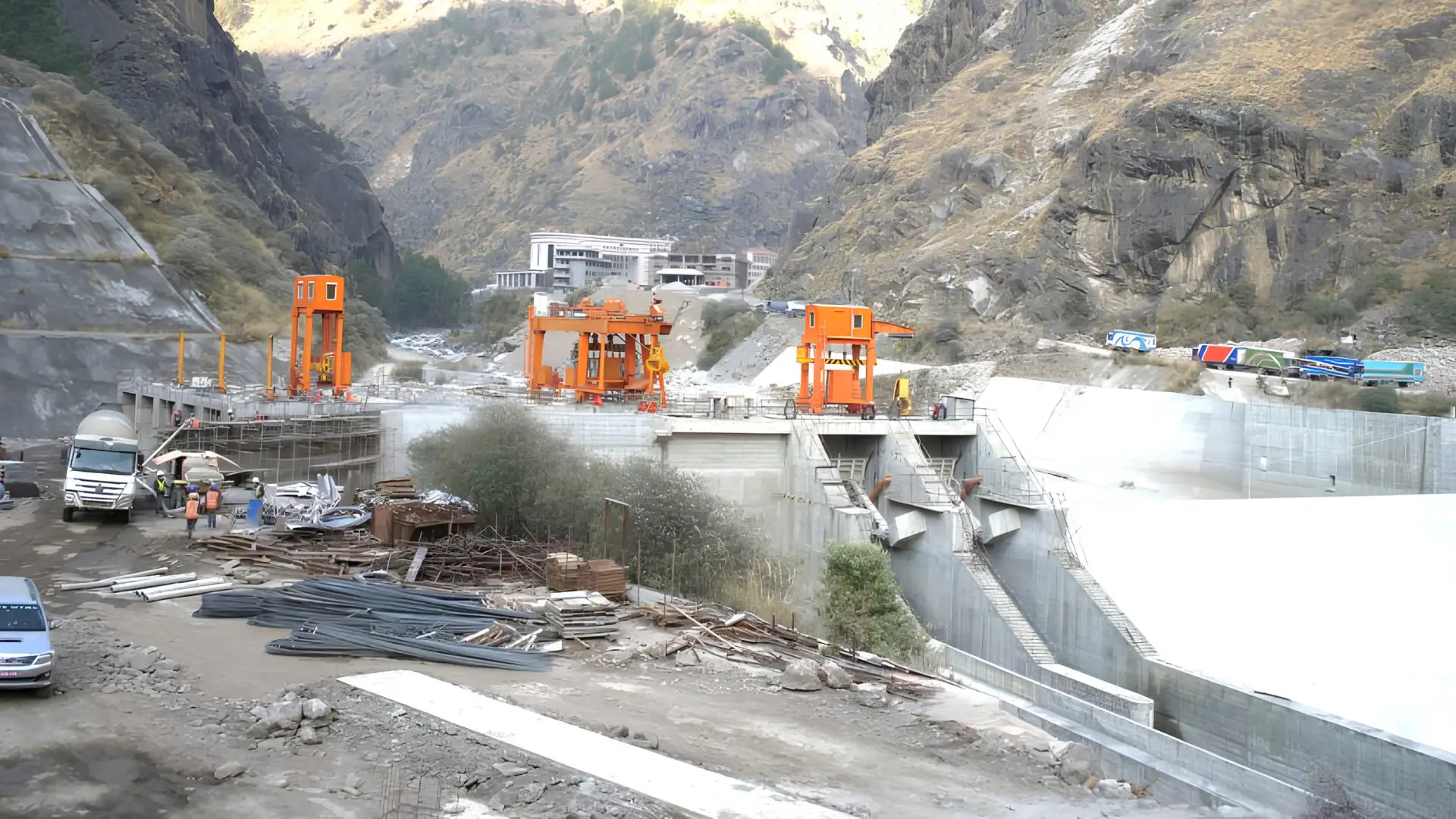
The Rasuwagadhi Hydropower Project has temporarily stopped electricity production after rising water levels and muddy flood flow were observed in the Lhende River of Rasuwa. The decision was taken as a precaution to protect the project’s critical infrastructure from possible flood damage.
The 111-megawatt project suspended operations from Sunday evening after officials detected increasing risks in the river system. Project authorities said power generation would resume once the water flow returns to a safer condition.
The precaution comes after the project experienced major destruction last year when floods in the Lhende River damaged the dam and several other structures. Although repair and reconstruction works had restored operations, officials decided to act early this time to avoid further losses.
Project engineers have closed the gate that directs river water into the tunnel system, preventing excessive sediment-filled water from entering the power facility. Officials said the river condition is being monitored continuously.
Concerns have also increased around the Rasuwagadhi customs area after water levels in the Bhotekoshi River started rising. Cargo vehicles and newly imported vehicles parked at the customs yard were moved to safer locations as a preventive measure.
Local authorities have urged residents and travellers to avoid areas near the Lhende River and Bhotekoshi River. Drivers have also been advised not to park vehicles along riverbanks due to the increasing flood risk.
The district administration has recommended using safer alternative routes for vehicles travelling toward Kerung after identifying risks along some road sections. Officials said continuous rainfall has increased water flow in rivers and streams, and the public should remain alert to possible disaster risks.
Advertisement
Written by
Dipesh Ghimire