Top
Four Shortlisted for Nepal Securities Board Chairmanship Amid High-Stakes Regulatory Transition
Although the publication of the shortlist has narrowed the race, the final appointment is still expected to undergo further evaluation and political consideration. The decision is likely to shape not only the direction of the securities regulator but also the overall confidence of investors in Nepal’s capital market in the coming years.
Dipesh Ghimire
2 min read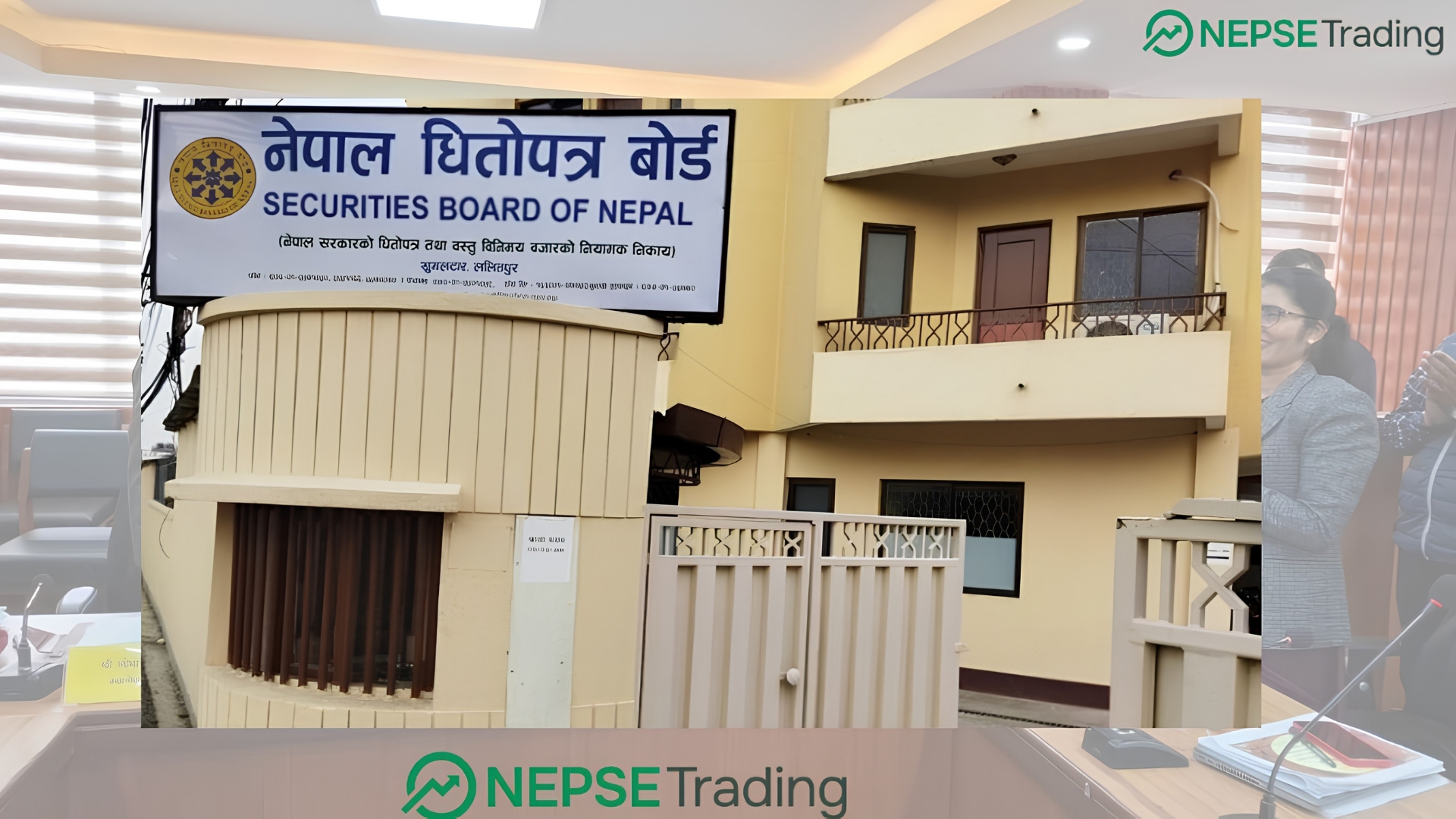
The government has published a shortlist of four candidates for the post of chairperson of Nepal Securities Board, signaling a crucial phase in the leadership selection process of the country’s securities market regulator. The recommendation committee formed to appoint the new chairperson made the shortlist public after reviewing applications from 47 candidates.
According to the Ministry of Finance, the shortlisted candidates are Dr. Navaraj Adhikari, Binaydev Acharya, Mukunda Kumar Kshetri and Dr. Gopal Prasad Bhatt. The announcement has drawn significant attention from investors and market stakeholders, as the securities regulator has remained without stable leadership for months amid rising concerns over policy delays and weakening investor confidence.
The shortlist reflects a mix of regulatory, banking and policy-level experience. Two of the candidates, Dr. Adhikari and Acharya, are directly associated with the securities market regulator itself, suggesting the committee may be prioritizing institutional continuity and internal experience. Their inclusion is being viewed as an indication that the government wants a chairperson who already understands the operational and regulatory complexities of Nepal’s capital market.
On the other hand, the inclusion of Dr. Gopal Prasad Bhatt, who previously served in a senior role at Nepal Rastra Bank, has added another dimension to the race. Market observers believe his background in monetary policy and financial-sector supervision could make him a strong candidate at a time when coordination between banking regulation and capital market oversight has become increasingly important. Mukunda Kumar Kshetri’s presence on the shortlist is also being interpreted as an effort to broaden the leadership pool beyond traditional securities-sector insiders.
The appointment comes at a sensitive period for Nepal’s capital market. Investors have repeatedly raised concerns over delays in approving new public offerings, ambiguity in regulatory policies, slow progress in market modernization and weak enforcement against insider trading and market manipulation. In recent months, discussions surrounding governance reform, transparency and institutional accountability within the securities market have intensified. As a result, the next chairperson is expected to face strong pressure to restore credibility and accelerate long-pending reforms.
The selection process is also politically and economically significant because the new leadership at the securities board will influence decisions related to IPO approvals, broker supervision, merchant banking regulation, mutual funds and the broader expansion of Nepal’s financial market. With growing retail participation in the stock market and increasing public interest in hydropower and financial-sector shares, investors are closely watching who will eventually secure the top regulatory position.
Although the publication of the shortlist has narrowed the race, the final appointment is still expected to undergo further evaluation and political consideration. The decision is likely to shape not only the direction of the securities regulator but also the overall confidence of investors in Nepal’s capital market in the coming years.
Advertisement
Written by
Dipesh Ghimire