Cooperatives
Government Begins Returning Savings to Victims of Troubled Cooperatives, but Recovery Challenges Remain Deep
The latest refund process may help ease frustration among some small savers, but experts warn that restoring confidence will require deeper structural reforms. Stronger financial oversight, transparent auditing, tighter licensing standards, and faster legal action against operators accused of misusing public funds are increasingly being seen as necessary steps to prevent similar crises in the future. For now, the government faces the difficult task of balancing public expectations with financial reality. While the refund process has finally begun, the path toward recovering billions of rupees and rebuilding trust in Nepal’s cooperative sector is likely to remain long and politically sensitive.
Dipesh Ghimire
3 min read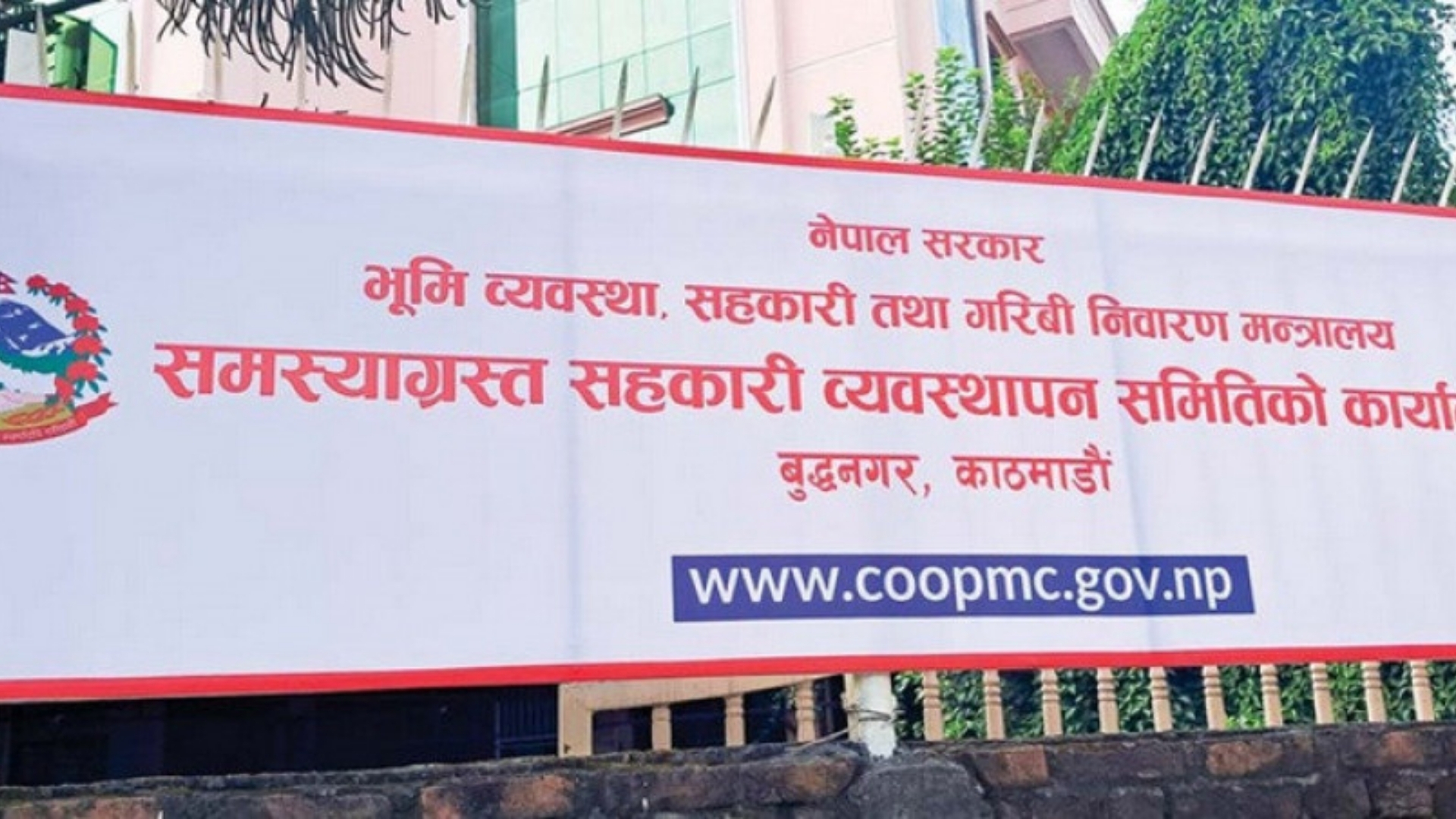
Nepal’s long-running cooperative crisis has entered a new phase after the government officially began returning deposits to small savers affected by troubled cooperative institutions. On Monday, the Cooperative Management Committee refunded savings to 378 depositors from three problematic cooperatives, marking the first practical step toward addressing one of the country’s most sensitive financial and social issues.
According to the committee, more than Rs. 1.39 million was distributed on the first day. The refunds were mainly targeted at depositors with savings below Rs. 10,000, reflecting the government’s attempt to prioritize low-income and vulnerable households that were heavily affected after multiple cooperatives collapsed or became unable to return public deposits.
Among the beneficiaries were depositors from Kantipur Cooperative, Shiva Shikhar Multipurpose Cooperative, and Pashupati Cooperative. Although the refunded amount remains relatively small compared to the overall scale of the crisis, the move carries symbolic importance because thousands of victims have been waiting for years with little confidence that their savings would ever be recovered.
Government data show the actual scale of the cooperative crisis is far larger than the first phase of refunds suggests. Nearly 76,000 depositors are estimated to have around Rs. 46 billion trapped in problematic cooperatives across the country. Most of the affected individuals are small savers, including pensioners, migrant workers’ families, low-income households, and people who had trusted cooperatives as safer and more accessible alternatives to formal banks.
The crisis has exposed serious weaknesses in Nepal’s cooperative sector, which expanded rapidly over the past decade with limited supervision and weak financial governance. Many cooperatives reportedly invested depositor funds in risky real estate, speculative businesses, and politically connected ventures without maintaining sufficient liquidity or proper risk controls. In several cases, cooperative operators are accused of diverting funds or providing loans without adequate collateral.
The government’s decision to classify depositors into “small” and “large” categories also reflects the challenge of limited recovery capacity. Depositors with savings up to Rs. 500,000 have been categorized as small depositors, while those above that threshold are considered large depositors. Officials appear to be focusing first on smaller savers to reduce immediate social pressure and public anger.
At the same time, authorities have intensified efforts to recover money from borrowers linked to troubled cooperatives. More than Rs. 20 million has reportedly been recovered so far, and the government recently made public the names of several large debtors in an effort to accelerate repayment. However, compared to the estimated Rs. 46 billion still trapped, the amount recovered remains extremely small.
Economic analysts say the cooperative crisis has already damaged public trust in Nepal’s broader financial system. Many ordinary citizens had deposited their life savings in cooperatives believing they were community-based and trustworthy institutions. The collapse of multiple cooperatives not only created financial losses but also triggered wider concerns about weak regulation, political protection networks, and delayed government intervention.
The latest refund process may help ease frustration among some small savers, but experts warn that restoring confidence will require deeper structural reforms. Stronger financial oversight, transparent auditing, tighter licensing standards, and faster legal action against operators accused of misusing public funds are increasingly being seen as necessary steps to prevent similar crises in the future.
For now, the government faces the difficult task of balancing public expectations with financial reality. While the refund process has finally begun, the path toward recovering billions of rupees and rebuilding trust in Nepal’s cooperative sector is likely to remain long and politically sensitive.
Advertisement
Written by
Dipesh Ghimire