Top
Health Insurance Board Faces Challenges with Rising OPD Expenses and Insufficient Funds for Critical Care
Health Insurance Board Faces Challenges with Rising OPD Expenses and Insufficient Funds for Critical Care The Health Insurance Board has recently provided clarification regarding the continued availability of up to one lakh rupees in treatment services for the insured, as per their policy. This decision, however, raises concerns about the allocation of funds, especially in light of mounting expenditures on outpatient department (OPD) services. The clarification aims to ensure that families, especially those with five members, can still access up to one lakh rupees in annual treatment benefits by contributing just 3,500 rupees. While this may seem beneficial, deeper analysis reveals the growing issue of fund allocation and its long-term impact on the health insurance system.
Dipesh Ghimire
3 min read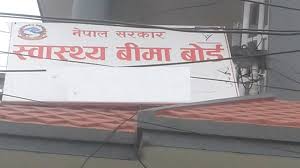
The Health Insurance Board has recently provided clarification regarding the continued availability of up to one lakh rupees in treatment services for the insured, as per their policy. This decision, however, raises concerns about the allocation of funds, especially in light of mounting expenditures on outpatient department (OPD) services. The clarification aims to ensure that families, especially those with five members, can still access up to one lakh rupees in annual treatment benefits by contributing just 3,500 rupees. While this may seem beneficial, deeper analysis reveals the growing issue of fund allocation and its long-term impact on the health insurance system.
Allocation Breakdown and Family Benefits
According to the Health Insurance Board, the total one lakh rupees is distributed across various health services. Out of this amount, 5,000 rupees are reserved for OPD services, and 75,000 rupees are earmarked for hospitalization and emergency services. This allocation ensures that insured individuals can receive treatment for common health conditions without overwhelming the budget. For families with more than five members, the Board has allocated an additional 5,000 rupees for OPD services. While this structure appears to be well-thought-out for ensuring access to primary healthcare, it raises several questions about the sustainability of the system.
Concerns Over the Dominance of OPD Expenditures
A critical issue arises with the observation that more than 70% of the health insurance budget is currently being spent on general OPD services. While OPD services are essential for the diagnosis and treatment of common illnesses, the Board’s focus on these services leaves little room for addressing more complex and severe medical needs. Serious illnesses, such as cancer or heart disease, and expensive surgeries, require a substantial amount of financial resources. With a significant portion of the budget tied up in routine OPD visits, the funds available for critical care are becoming increasingly inadequate. This situation may force patients to pay out of pocket for expensive treatments, which goes against the core principle of health insurance: reducing financial barriers to healthcare.
Impact on Serious Illnesses and Surgeries
The imbalanced allocation of funds becomes even more apparent when considering the growing need for expensive medical treatments. Many experts have warned that if the current trend continues, the health insurance system may fail to provide adequate coverage for serious, complex, or life-threatening diseases. This could lead to a scenario where patients with critical health conditions are either denied necessary care or are forced to cover the costs themselves, leading to financial hardship for those who are already in vulnerable positions.
Health Insurance Board’s Response and Recommendations
The Health Insurance Board has called for greater adherence to the allocated amounts for various services to ensure that the funds are used judiciously. It has urged the public to avoid unnecessary use of OPD services and has emphasized the need for stricter controls on duplicate services. The Board is also advocating for better resource management to ensure that funds for emergency and critical care are not depleted by routine visits. In its response, the Board has promised to look into revising the allocation structure to better balance the needs of OPD services and more severe health conditions.
Conclusion: The Need for Systemic Changes
While the Health Insurance Board’s clarification about maintaining one lakh rupees in treatment services for the insured is a step in the right direction, it highlights the pressing need for systemic reforms. The disproportionate spending on OPD services, coupled with an insufficient allocation for serious illnesses, could jeopardize the long-term sustainability of the health insurance system. It is crucial for the Board to address these concerns by revisiting its budget allocation, ensuring that adequate funds are set aside for critical care, and establishing a more balanced approach to healthcare coverage. Only by doing so can it truly protect the health and well-being of the insured population in the long run.
Advertisement
Written by
Dipesh Ghimire