Dr. Swarnim Wagle
High Stakes in Washington: Wagle Navigates Disaster Recovery and Nepal’s Financial Reputation
Ultimately, Wagle’s Washington itinerary is a formidable test of economic diplomacy. Success in these high-level bilateral talks will determine whether Nepal can simultaneously rebuild its battered physical landscapes in Bhote Koshi and restore its fragile financial credibility on the global stage.
Dipesh Ghimire
2 min read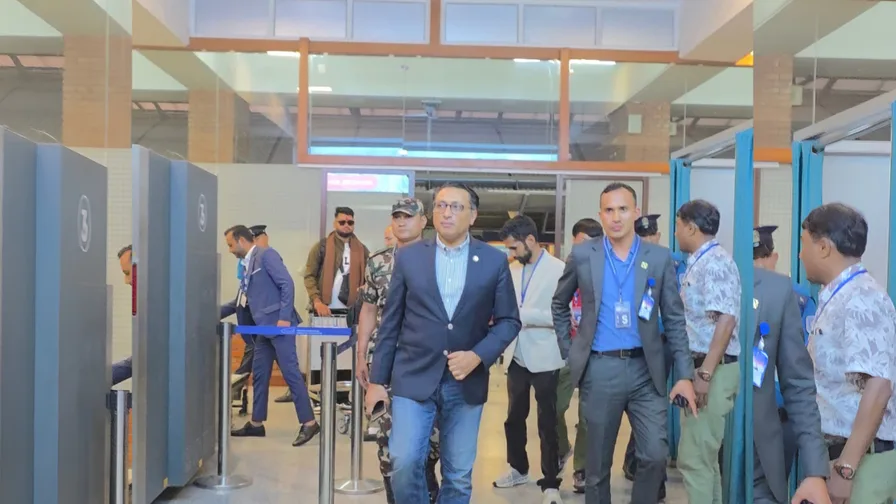
Finance Minister Dr. Swarnim Wagle’s current diplomatic mission to Washington, D.C., is shaping up to be one of the most consequential economic balancing acts for Nepal in recent years. Arriving in the US capital on Sunday, Wagle is not merely on a routine fundraising trip; he is spearheading a critical dual-front campaign. On one hand, he is racing to secure vital capital for the flood-devastated Bhote Koshi region. On the other, he is fighting a highly sensitive diplomatic battle to rescue Nepal from the looming threat of the Financial Action Task Force (FATF) ‘grey list’.
The shadow of the FATF grey list arguably represents the most pressing macroeconomic vulnerability for Nepal right now. Years of regulatory negligence, particularly the gaping legal loopholes within the beleaguered cooperative sector, have exposed the country to severe international financial scrutiny. A potential downgrading by the FATF would severely cripple Nepal’s foreign trade, deter investment, and complicate cross-border banking. Recognizing this urgency, Wagle's agenda heavily prioritizes reassuring global financial gatekeepers. Armed with the government's newly minted five-point reform plan, he is set to brief World Bank President Ajay Banga and US Treasury Secretary Scott Bessent, aiming to project Nepal as a jurisdiction firmly committed to financial transparency and rigorous anti-money laundering compliance.
Parallel to this regulatory diplomacy is the immediate humanitarian and infrastructural crisis back home. The recent devastation in the Bhote Koshi corridor has underscored Nepal’s acute vulnerability to climate-induced disasters. Wagle’s dialogue with multilateral lenders like the World Bank will transcend immediate relief, focusing heavily on sustainable rebuilding. This indicates a strategic shift from merely restoring what was lost to constructing climate-resilient physical and economic infrastructure—a monumental financial undertaking that Nepal’s strained domestic treasury simply cannot shoulder without robust international backing.
Beyond immediate crisis management, the Finance Minister is also laying the groundwork for long-term economic revitalization through Foreign Direct Investment (FDI). Engaging with top brass from the US International Development Finance Corporation (DFC) and prominent private American investors marks a concerted effort to pivot Nepal-US relations from traditional donor aid toward commercial partnership. By pitching large-scale projects in road networks and hydropower transmission lines, Wagle is addressing a core domestic anxiety: the urgent need for local job creation. Securing American private and institutional capital in these sectors would not only upgrade Nepal's logistical backbone but also signal a green light to other global investors.
Ultimately, Wagle’s Washington itinerary is a formidable test of economic diplomacy. Success in these high-level bilateral talks will determine whether Nepal can simultaneously rebuild its battered physical landscapes in Bhote Koshi and restore its fragile financial credibility on the global stage.
Advertisement
Written by
Dipesh Ghimire