gold
India Raises Gold Import Duty to Ease Trade Pressure
India’s latest customs duty increase highlights the growing tension between consumer demand, external sector stability and inflation management in one of the world’s largest gold-consuming economies. Whether the policy successfully reduces imports without significantly disrupting domestic demand will likely become clearer over the next several quarters.
Dipesh Ghimire
4 min read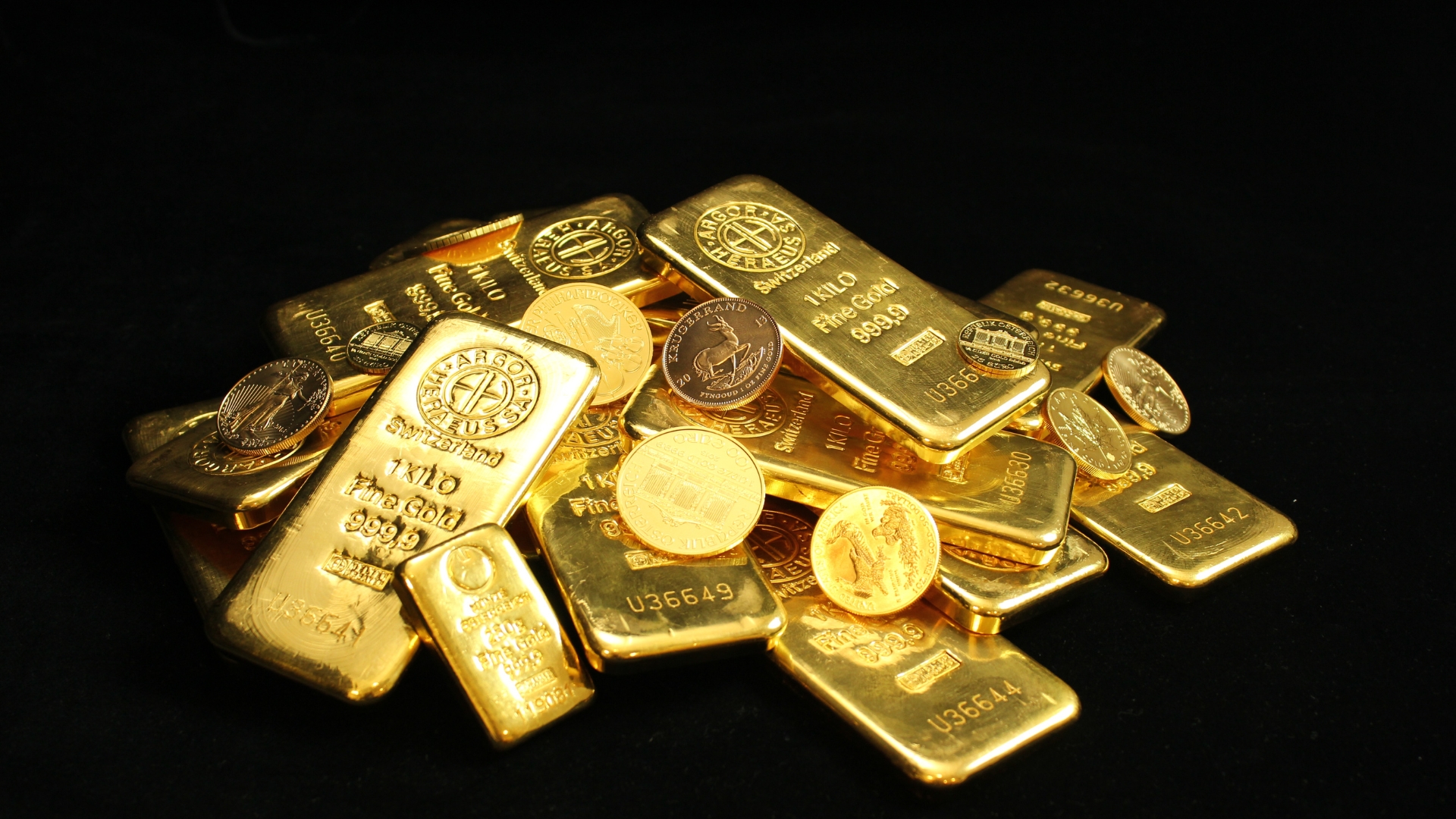
India has sharply increased import duties on gold, silver and other precious metals, signaling a renewed attempt to control rising pressure on its external sector and foreign currency reserves. The decision, announced by the Ministry of Finance, came into effect on May 13 and is already expected to push precious metal prices higher in the Indian market.
Under the revised arrangement, the basic customs duty on gold has been doubled from 5 percent to 10 percent. After adding the existing 5 percent Agriculture Infrastructure and Development Cess, the effective import tax on gold has now reached 15 percent. Previously, the overall import duty on gold stood at around 6 percent.
The move reflects growing concern within the Indian government over the country’s rising import bill and the pressure it places on foreign exchange reserves. India remains one of the world’s largest consumers of gold, importing the majority of its domestic demand from international markets. As global gold prices continue to remain elevated amid geopolitical uncertainty and central bank buying worldwide, India’s gold import costs have also expanded significantly.
Government officials believe that higher import duties could discourage excessive gold consumption, reduce demand for imported bullion and help limit outflows of US dollars from the economy. Economists say such measures are often used by India during periods when policymakers seek to stabilize the current account deficit and protect the value of the Indian rupee.
The timing of the decision is particularly important because India’s gold demand remains structurally large despite fluctuations in consumption patterns. The country typically consumes between 600 and 800 tonnes of gold annually, driven not only by investment demand but also by cultural and religious traditions tied to weddings, festivals and household savings behavior.
According to recent market figures, India’s total gold demand reached around 710.9 tonnes in 2025. However, demand appears to have slowed in recent months, with first-quarter consumption in 2026 falling to approximately 151 tonnes. Analysts say persistently high prices and economic uncertainty have already begun affecting consumer purchasing behavior, especially among middle-income households.
Economic observers believe the government is now attempting to use taxation as a policy tool to further suppress non-essential imports. India reportedly spent nearly INR 6.4 trillion on gold imports during the 2025/26 fiscal period. If import trends continued unchecked under rising global prices, projections suggested that the country’s annual gold import bill could climb toward INR 8.23 trillion in the coming fiscal year.
Such a rise would significantly increase pressure on India’s trade deficit at a time when global economic conditions remain uncertain. A higher import bill means greater demand for foreign currency, particularly the US dollar, which can weaken the domestic currency and complicate monetary management for policymakers.
Analysts say the government’s latest move is therefore less about the gold market itself and more about macroeconomic stability. By making imported gold more expensive, policymakers appear to be attempting to redirect household spending away from imported assets and toward more productive financial channels within the domestic economy.
The decision also comes shortly after Indian Prime Minister Narendra Modi publicly urged citizens to reduce gold purchases for a certain period. His remarks were interpreted as part of a broader appeal for economic discipline amid rising external sector pressure. The latest customs duty hike is now being viewed as a direct policy continuation of that message.
However, the policy may also create unintended side effects. Historically, sharp increases in gold import duties in India have sometimes encouraged informal trading channels and smuggling activities, particularly along border regions. Higher domestic prices often widen the gap between international and local market rates, creating incentives for illegal trade networks.
Jewelry businesses and bullion traders may also face pressure if consumer demand weakens further. India’s gold industry supports a large network of traders, artisans and small jewelry manufacturers, many of whom are sensitive to sudden changes in demand patterns. Analysts say prolonged weakness in gold purchases could affect employment and retail activity in segments closely tied to the precious metals market.
At the same time, some economists argue that lower gold imports could ultimately help India improve macroeconomic stability. Gold has traditionally served as a preferred store of wealth for Indian households, but policymakers have increasingly encouraged citizens to shift savings toward formal financial instruments such as bonds, mutual funds and bank deposits.
The latest duty hike therefore appears to reflect a broader economic balancing strategy. While the government seeks to protect foreign exchange reserves and reduce import-driven pressure on the economy, it is also attempting to gradually reshape household investment behavior away from physical assets and toward the formal financial system.
For neighboring economies like Nepal, the decision may also carry indirect implications. Higher gold prices and tighter import rules in India have historically influenced cross-border trade patterns and pricing dynamics in regional markets. Traders and consumers across South Asia are therefore expected to closely monitor how the Indian market reacts in the coming months.
Overall, India’s latest customs duty increase highlights the growing tension between consumer demand, external sector stability and inflation management in one of the world’s largest gold-consuming economies. Whether the policy successfully reduces imports without significantly disrupting domestic demand will likely become clearer over the next several quarters.
Advertisement
Written by
Dipesh Ghimire