Top
Kathmandu Sees Surge in Financial and Cyber Crimes in a Month, Over 1,100 Cases Registered
Kathmandu Sees Surge in Financial and Cyber Crimes in a Month, Over 1,100 Cases Registered Kathmandu’s law enforcement data for the month of Chaitra reveals a shifting pattern in crime trends, with financial and cyber-related offenses emerging as the dominant concerns. The District Police Range Kathmandu registered a total of 1,166 cases during the one-month period, reflecting both increased vigilance by authorities and the growing complexity of urban crime.
Dipesh Ghimire
2 min read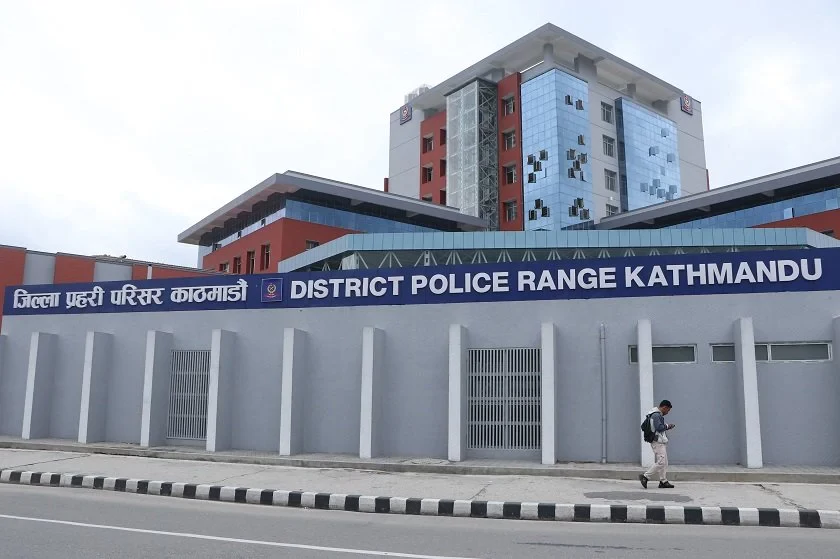
Kathmandu’s law enforcement data for the month of Chaitra reveals a shifting pattern in crime trends, with financial and cyber-related offenses emerging as the dominant concerns. The District Police Range Kathmandu registered a total of 1,166 cases during the one-month period, reflecting both increased vigilance by authorities and the growing complexity of urban crime.
A detailed breakdown of the figures shows that economic crimes accounted for the largest share, with 564 cases—almost half of the total. This indicates a strong rise in financial misconduct, fraud, and illegal monetary transactions. Meanwhile, 214 cases were categorized as serious or heinous crimes, 46 cases involved women, children, and senior citizens, and 342 cases fell under other criminal categories. The data suggests that while traditional crimes persist, financial crimes are rapidly taking center stage.
The scale of financial irregularities is further highlighted by cases related to money laundering. Police registered two such cases, naming three individuals as defendants and claiming illicit assets worth NPR 227.5 million. This points to the increasing depth and scale of underground financial networks operating within the capital, as well as the growing capacity of law enforcement agencies to identify and act against them.
Authorities have also intensified their crackdown on hundi, an illegal money transfer system. Within the same period, three cases were filed against seven individuals, involving claims of NPR 15.6 million. In one notable operation at Bhimdhunga in Nagarjun Municipality-8, police arrested two individuals allegedly involved in hundi and virtual currency transactions, seizing cash and assets worth around NPR 11.6 million. Investigations are ongoing under charges related to digital currency misuse and money laundering.
In a separate high-profile incident, a Chinese national was arrested from Thamel for allegedly conducting virtual currency transactions worth NPR 177.97 million. This case highlights the growing international dimension of financial crimes in Kathmandu, where digital platforms and cross-border networks are increasingly being used for illegal activities.
On the social front, police efforts in tracing missing persons have shown mixed results. Out of 273 reported missing individuals, 159 were successfully located and handed over to their families. While this reflects a certain level of effectiveness, it also underscores ongoing social challenges contributing to such cases.
Cybercrime continues to rise sharply, with 261 cases registered in this category alone. Among them, 100 cases were directly linked to online shopping fraud, indicating a worrying trend as more people engage in digital transactions. The increasing number of such incidents highlights the urgent need for greater public awareness and stronger digital regulation.
Overall, the crime data from Chaitra paints a clear picture of Kathmandu transitioning into a phase where financial and cyber crimes are becoming more prominent than conventional offenses. While the proactive stance of law enforcement is evident, the figures also call for coordinated efforts in financial oversight, digital security, and public awareness to effectively tackle the evolving nature of crime in the capital.
Advertisement
Written by
Dipesh Ghimire