Rail Cargo
Kolkata–Biratnagar Rail Cargo Service Opens New Trade Route for Eastern Nepal
For eastern Nepal, the new rail route represents more than an additional transportation facility. It has the potential to reshape the movement of imported goods, reduce pressure on road networks and improve access to international ports for one of the country’s major industrial regions.
Dipesh Ghimire
4 min read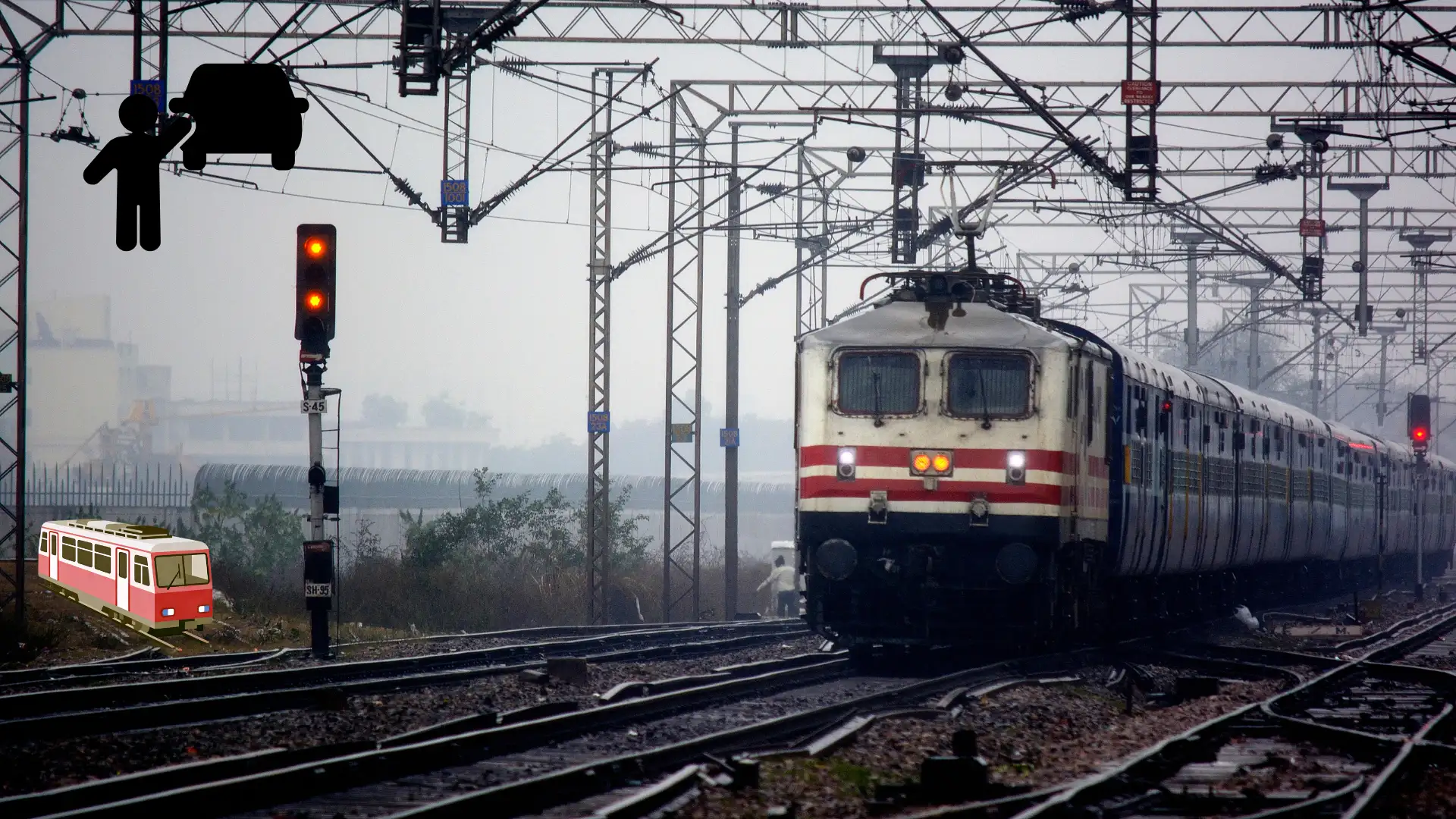
KATHMANDU — Nepal has begun receiving railway cargo directly from Kolkata Port through Biratnagar, marking a significant expansion of the country’s transit network for goods imported from third countries.
The first cargo train formally departed from Kolkata Port for Biratnagar on July 18 under the Nepal–India Transit Treaty. The development allows Nepal-bound goods to travel across Indian territory by railway up to the customs facility near the eastern border, reducing dependence on long-distance road transportation.
Until now, Birgunj had been Nepal’s primary destination for containerised cargo transported by rail from Indian seaports. The extension of the service to Biratnagar is expected to provide industries and traders in eastern Nepal with a more direct and potentially less expensive logistics option.
The first consignment consists of 40 high-capacity containers, each measuring 40 feet, carrying raw materials imported from a third country for Swastik Oil Industries. The containers were transported using a railway rack operated by the Container Corporation of India, commonly known as CONCOR.
With the route capable of carrying up to 45 containers of the same size in a single trip, the inaugural shipment used nearly 89 percent of the stated maximum container capacity. This indicates that the service has begun with a commercially significant volume rather than as a small trial shipment.
All containers have been fitted with an Electronic Cargo Tracking System. The technology enables customs and transit authorities to monitor the movement of sealed containers from the port to their final customs destination, reducing the risk of unauthorised unloading, diversion or tampering during transit.
The cargo train will travel through the integrated customs yard at Jogbani in India before reaching the Nepal Customs Yard in Biratnagar. According to the Consulate General of Nepal in Kolkata, the journey from Kolkata is expected to take around 24 hours.
The travel time is important for Nepali importers. Road cargo can face delays caused by traffic congestion, vehicle shortages, border procedures and other disruptions. Rail transport can move a larger volume of goods in a single operation and is generally considered more suitable for regular bulk and containerised shipments.
The service became possible after India’s Central Board of Indirect Taxes and Customs amended the Electronic Cargo Tracking System Regulations, 2019, on November 4, 2025. The amendment expanded the scope of railway cargo movement from Kolkata, Haldia and Visakhapatnam ports to include Biratnagar Customs.
Following the regulatory change, Kolkata Customs introduced procedural arrangements on February 26, 2026, allowing Nepal-bound cargo from Kolkata and Haldia to be transported beyond Birgunj. The new arrangement permits railway cargo to move through the Indian customs yard at Jogbani to the Nepali customs facility in Biratnagar.
The Consulate General of Nepal in Kolkata had been coordinating with Indian customs authorities, port operators, shipping lines and railway service providers to operationalise the route. Nepali Consul General Jhakka Prasad Acharya and officials from Kolkata Customs, Kolkata Port and CONCOR jointly flagged off the inaugural train.
The direct railway connection could provide substantial relief to importers based in the Koshi Province industrial corridor. Previously, some goods arriving by rail had to be cleared or unloaded through Birgunj and then transported eastward by road. Others were transported directly from the port by truck, exposing businesses to higher fuel, handling and road freight costs.
A regular Kolkata–Biratnagar rail service could shorten this logistics chain. Goods intended for industries around Biratnagar, Itahari, Dharan and other eastern markets can now be moved closer to their destination without taking a longer route through central Nepal.
The most immediate benefit is expected to be a reduction in transportation expenses. However, the actual savings will depend on railway freight rates, customs handling charges, the availability of regular train services and how quickly containers are cleared at the port and border customs yards.
Importers may also benefit from lower demurrage and container detention charges. Demurrage is generally imposed when cargo remains at a port or terminal beyond the permitted period, while detention charges apply when shipping containers are not returned within the agreed time. Faster and more predictable cargo movement can help businesses avoid such additional costs.
The service is also expected to improve supply-chain reliability. Industries that depend on imported raw materials often maintain additional stock to protect themselves against transportation delays. A regular and predictable railway schedule could reduce the need for excessive inventory and lower the amount of working capital tied up in stored materials.
For manufacturing companies, lower logistics costs can contribute to reduced production expenses. This may help Nepali products compete more effectively with imported goods and could also strengthen the competitiveness of domestically manufactured products in export markets.
The route will not be limited to containerised goods. The procedural opening also creates the possibility of transporting bulk cargo to Biratnagar on a regular commercial basis. This could be particularly useful for industries importing large quantities of raw materials that are more economical to transport by rail than by truck.
From a broader trade perspective, the expansion reduces Nepal’s dependence on a single railway cargo gateway. Heavy reliance on one transit point can create congestion and increase the economic impact of operational disruptions. Adding Biratnagar as another rail-linked customs destination gives importers greater flexibility and improves the resilience of Nepal’s transit system.
However, the success of the route will depend on whether trains operate regularly rather than only when sufficient cargo has accumulated. Importers will also require transparent freight rates, coordinated customs procedures, adequate container-handling equipment and efficient clearance facilities in both Jogbani and Biratnagar.
The inaugural shipment is therefore an important beginning, but the long-term economic impact will be determined by the frequency, reliability and commercial affordability of the service.
For eastern Nepal, the new rail route represents more than an additional transportation facility. It has the potential to reshape the movement of imported goods, reduce pressure on road networks and improve access to international ports for one of the country’s major industrial regions.
Advertisement
Written by
Dipesh Ghimire