Top
NEPSE
Loan Culture Grows in Nepal, But Poor Planning Poses Economic Risk
Loan Culture Grows in Nepal, But Poor Planning Poses Economic Risk In recent years, borrowing from banks and financial institutions has become commonplace among the general public and business owners in Nepal. While access to credit opens up opportunities for growth, dreams, and development, experts warn that loans taken without clear plans, proper financial assessment, or risk evaluation can result in serious long-term financial burdens.
Dipesh Ghimire
2 min read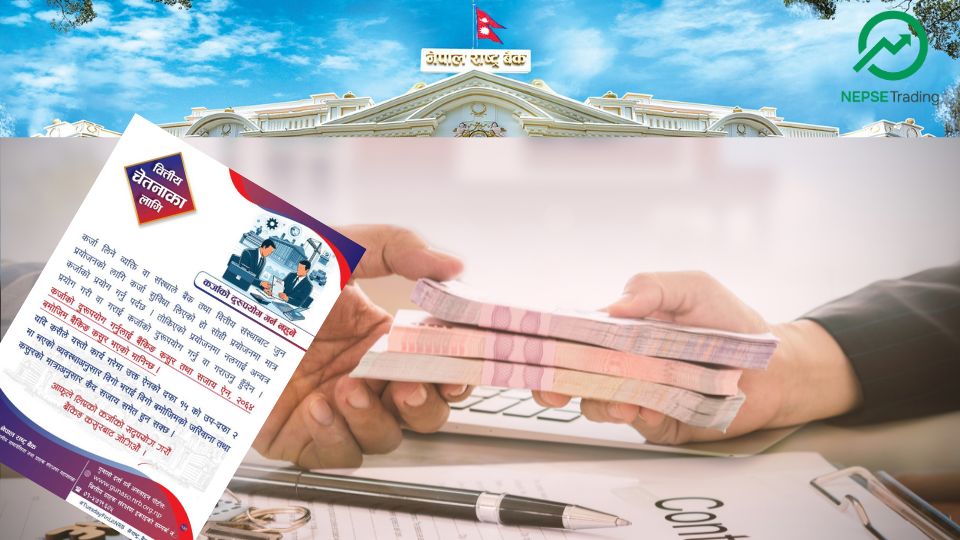
In recent years, borrowing from banks and financial institutions has become commonplace among the general public and business owners in Nepal. While access to credit opens up opportunities for growth, dreams, and development, experts warn that loans taken without clear plans, proper financial assessment, or risk evaluation can result in serious long-term financial burdens.
Credit: A Double-Edged Sword
Loans are not inherently bad. When borrowed with a sound repayment plan and investment clarity, credit can be a powerful tool for generating income. However, in Nepal, many individuals take loans for weddings, consumer electronics, foreign education, or luxury vehicles without a clear return on investment or repayment plan. This consumer behavior, especially in a volatile economic environment, is increasingly risky.
Rising Risk Among Small Business Owners
Small business owners in particular are falling into the credit trap. Without analyzing market conditions, understanding competitors, or seeking expert business consultation, many entrepreneurs jump into ventures with borrowed money. When the business fails, they face double losses — closure of the enterprise and the pressure to repay loans. In many cases, this leads to legal action, property seizure, and mental health issues.
Uncontrolled Surge in Consumer Credit
The volume of consumer credit in Nepal has surged significantly. Loans for houses, cars, mobile phones, and international trips have skyrocketed. But rising inflation, fluctuating interest rates, and uncertain income sources have made repayment difficult, shaking household financial stability.
Solutions to Prevent Loan Burden
Assess Real Need: Borrow only if the need is genuine, not based on social pressure or impulse.
Secure Income Plan: Ensure you have a reliable income stream to repay the loan on time.
Understand Loan Terms: Know all terms, interest rates, and penalties before signing any credit agreement.
Explore Alternatives: Not all problems require loans. Personal savings or installment plans could be smarter options.
NRB’s Official Advisory
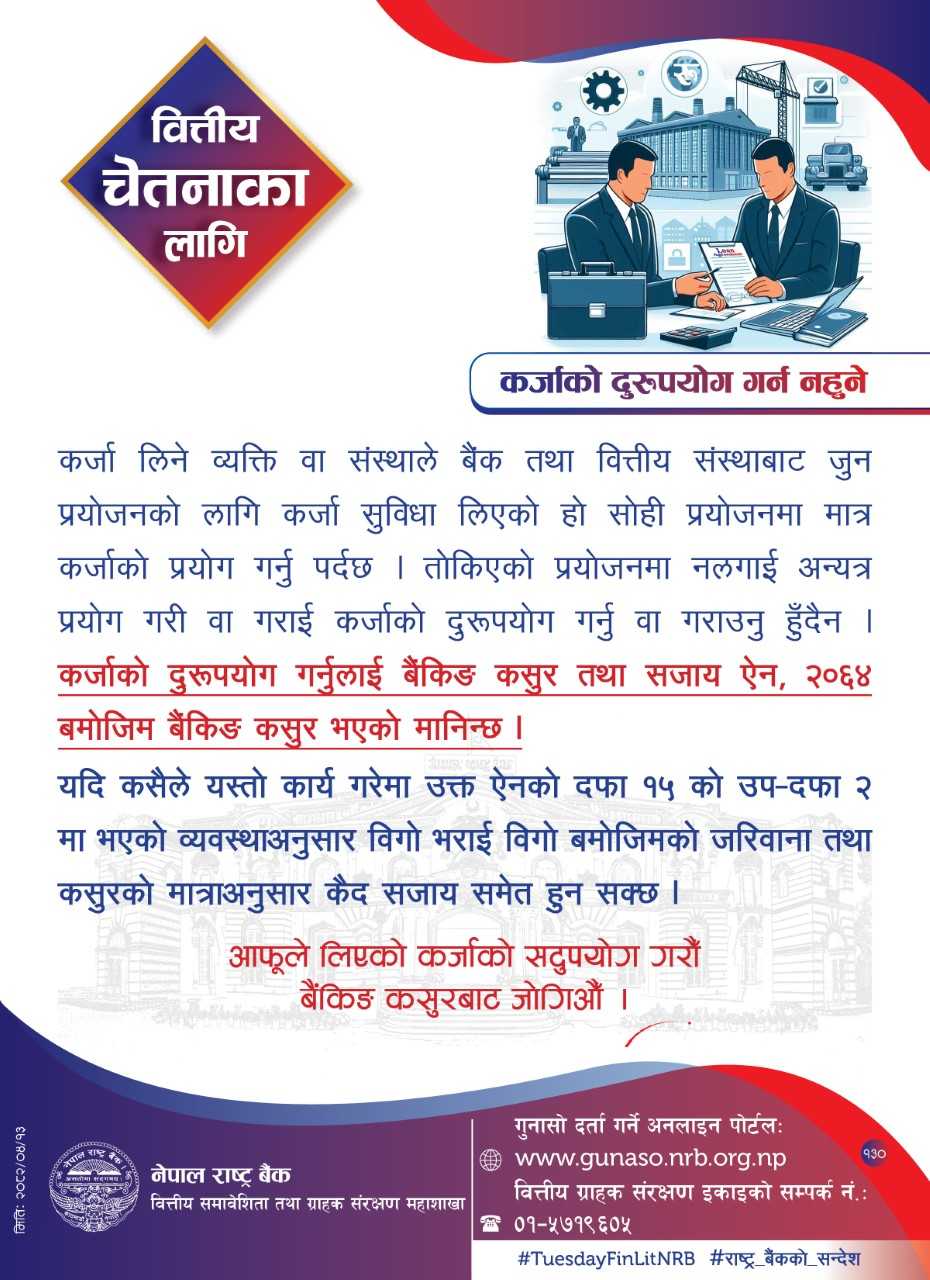
The Nepal Rastra Bank (NRB) has formally urged borrowers to utilize commercial loans wisely. It emphasized that such loans should be directed toward business upgradation, machinery purchase, modernization, expansion, and creating new opportunities. NRB warns that borrowing without proper planning may result in unsustainable financial pressure.
“Business loans are not for luxury but a foundation for progress,” NRB stated. “Invest smartly, maintain financial discipline, and build a bright financial future for yourself and your family.” Borrowers are encouraged to prepare clear business plans, evaluate potential risks, and fully understand their repayment ability before accepting loans.
This article signals a growing credit culture in Nepal driven by aspiration and convenience, but often lacking financial literacy. NRB’s intervention and advisory reflect the regulatory authority’s concern over irresponsible lending and borrowing trends. The rise in consumer credit, especially for non-productive uses, poses systemic risks if left unchecked. The need for financial education and responsible borrowing is more urgent than ever to ensure household stability and national economic resilience.
Advertisement
Written by
Dipesh Ghimire