Nabil Bank
Nabil Bank Redirects Rs 161 Billion Investment Toward Productive Sectors, Strengthening Real Economy
The bank’s growing focus on productive lending reflects a broader shift in Nepal’s banking industry, where financial institutions are increasingly expected to contribute not only to profitability but also to national economic development.
Dipesh Ghimire
2 min read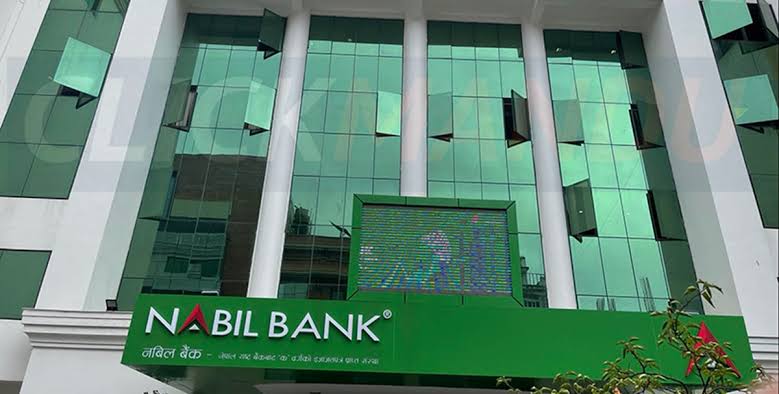
Kathmandu — As Nabil Bank Limited completes 42 years of operations, the leading private sector commercial bank has highlighted its growing role in supporting Nepal’s real economy through strategic lending in productive sectors.
Moving beyond conventional banking practices, the bank has increased its focus on sectors that contribute directly to economic growth, including agriculture, energy, small and medium enterprises, and tourism. Under its theme “Banking and Beyond,” the bank says its lending strategy is aimed at creating sustainable economic value rather than focusing only on financial transactions.
According to the bank’s financial data up to the third quarter of fiscal year 2082/83, Nabil Bank’s total loan portfolio has reached Rs 464 billion. A significant portion of this lending has been directed toward sectors linked with production, employment generation, and long-term economic development.
The bank has provided Rs 53.31 billion in loans to the agriculture sector, supporting food security and rural economic activities. Similarly, the energy sector has received Rs 51.06 billion in investment, mainly supporting hydropower and energy-related projects that are considered important for Nepal’s future economic growth.
Small, cottage, and medium enterprises (MSMEs) have also become a major priority area for the bank. Nabil has extended Rs 45.92 billion in loans to MSMEs, aiming to encourage entrepreneurship, expand employment opportunities, and strengthen local businesses.
The tourism sector, another key source of foreign currency earnings for Nepal, has received Rs 11.10 billion in financing from the bank. The investment is expected to support tourism infrastructure and business expansion in the sector.
Combined investment in agriculture, energy, MSMEs, and tourism has crossed Rs 161 billion, representing a substantial portion of the bank’s overall lending portfolio. The bank believes that directing credit toward productive areas can help accelerate economic activities and create sustainable growth.
Nabil Bank, which began operations in 1984 with an initial loan investment of only Rs 133 million, has expanded significantly over four decades. Today, the bank serves more than 2.6 million customers through 264 branches and 315 ATMs across the country, along with digital banking services.
The bank has received several recognitions, including multiple “Best Taxpayer” awards and annual report excellence awards, reflecting its position in Nepal’s financial sector.
Looking ahead, Nabil Bank has stated that it will continue expanding responsible banking practices by increasing investment in sustainable sectors, promoting financial inclusion, and improving access to finance at the grassroots level.
The bank’s growing focus on productive lending reflects a broader shift in Nepal’s banking industry, where financial institutions are increasingly expected to contribute not only to profitability but also to national economic development.
Advertisement
Written by
Dipesh Ghimire