Economic Census
Nepal’s Economic Census Nears Completion as Government Seeks Clearer Picture of a Changing Economy
For now, the ongoing census represents more than a statistical exercise. It reflects Nepal’s attempt to better understand an economy that is increasingly shaped by migration, digital transformation, changing business structures, and uneven development across regions.
Dipesh Ghimire
3 min read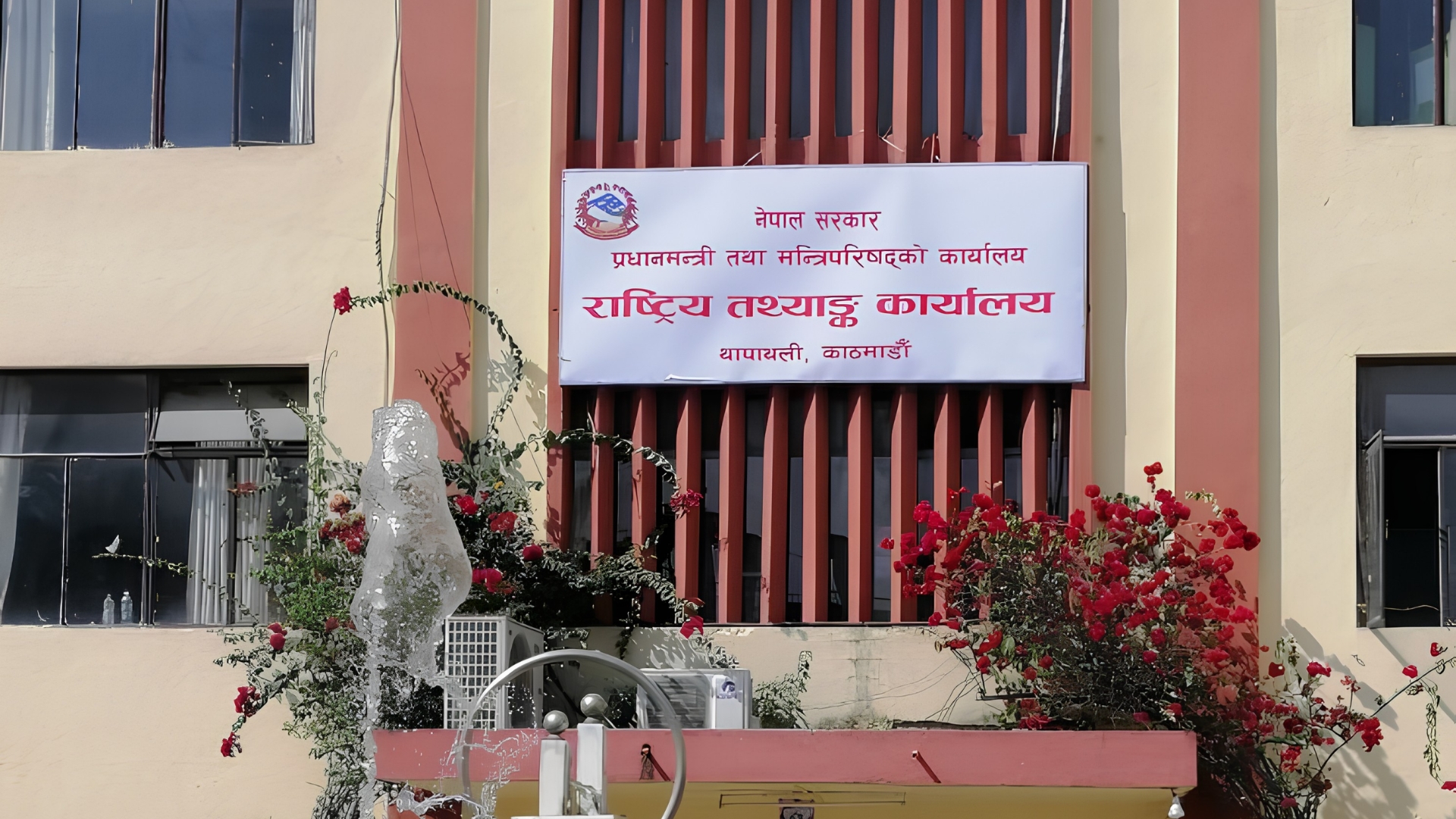
Nepal’s second National Economic Census has crossed the 87 percent completion mark, offering what officials describe as one of the country’s most important efforts to understand the real structure of its economy at a time of major economic transition. According to National Statistics Office, the nationwide survey has already covered a significant portion of businesses and economic establishments across the country since the census began in mid-April.
Officials say more than 800,000 physical forms and over 10,000 digital census tokens have already been distributed through field enumerators. The scale of the exercise reflects the government’s growing recognition that Nepal’s economy has changed rapidly in recent years, while official economic data has often struggled to keep pace with those changes.
The census comes at a particularly sensitive moment for Nepal’s economy. Traditional sectors such as agriculture and small trade are facing structural pressure, while newer sectors including digital services, information technology, tourism, and migration-linked businesses are expanding unevenly. Policymakers have increasingly faced criticism for preparing budgets and economic plans using outdated or incomplete data. Economists believe the latest census could become a critical tool for correcting that gap.
Chief Statistics Officer Dr. Kamal Prasad Pokharel has described the census as a foundation for improving Nepal’s economic planning system. The collected data is expected to help strengthen GDP estimates, national accounting systems, employment mapping, and business registration records. More importantly, the census may provide the first detailed post-pandemic picture of how businesses across Nepal are actually performing.
Analysts say the importance of the census goes beyond statistical reporting. Nepal’s federal structure has created growing demand for local-level economic data, especially for provincial and municipal governments trying to prepare development plans, identify employment trends, and attract investment. Without reliable economic mapping, many local governments have struggled to design effective policies or measure the true scale of informal economic activity.
One major challenge the census is expected to reveal is the widening gap between registered businesses and actively operating enterprises. In recent years, Nepal has seen a surge in business registrations, particularly in small enterprises and digital services. However, many businesses remain inactive, under-reported, or partially informal due to weak market demand, financing difficulties, and migration-driven labor shortages.
The economic census may also help policymakers understand the real impact of youth migration on Nepal’s domestic production system. While remittance inflows continue supporting the economy, many local industries and small businesses are struggling to retain skilled workers. Economists say accurate employment and enterprise data could help shape future policies on entrepreneurship, vocational training, and industrial incentives.
Another important aspect is the increasing push toward digital data collection. The use of electronic census tokens alongside traditional paper forms signals Nepal’s gradual shift toward modern statistical systems. However, experts say maintaining data accuracy and public cooperation remains crucial, especially in rural areas and informal sectors where record-keeping practices are weak.
The government has repeatedly stated that the census will help create a stronger “sample frame” for future economic surveys and policy studies. In practice, this means future decisions on taxation, industrial support, social protection, and infrastructure investment could rely more heavily on evidence-based planning rather than estimates and assumptions.
Still, economists caution that data collection alone will not solve Nepal’s economic challenges. The real test will come after the census is completed — whether the findings are actually used to guide long-term economic reform, improve productivity, and strengthen local economic planning.
For now, the ongoing census represents more than a statistical exercise. It reflects Nepal’s attempt to better understand an economy that is increasingly shaped by migration, digital transformation, changing business structures, and uneven development across regions.
Advertisement
Written by
Dipesh Ghimire