Top
Nepal's Political Crisis: A Call for Restructuring and Renewal
Nepal's Political Crisis: A Call for Restructuring and Renewal The recent election results in Nepal have sent a strong message to the traditional political parties, warning them of the urgent need for reform or risk extinction. Political giants like the Nepali Congress and the Communist Party of Nepal (CPN-UML), which have dominated the political scene for decades, must rethink their strategies or face irrelevance. These parties, once built upon the legacy of struggle for democracy and institutional control, now find themselves at a crossroads, overwhelmed by shifting societal, technological, and economic landscapes.
Dipesh Ghimire
5 min read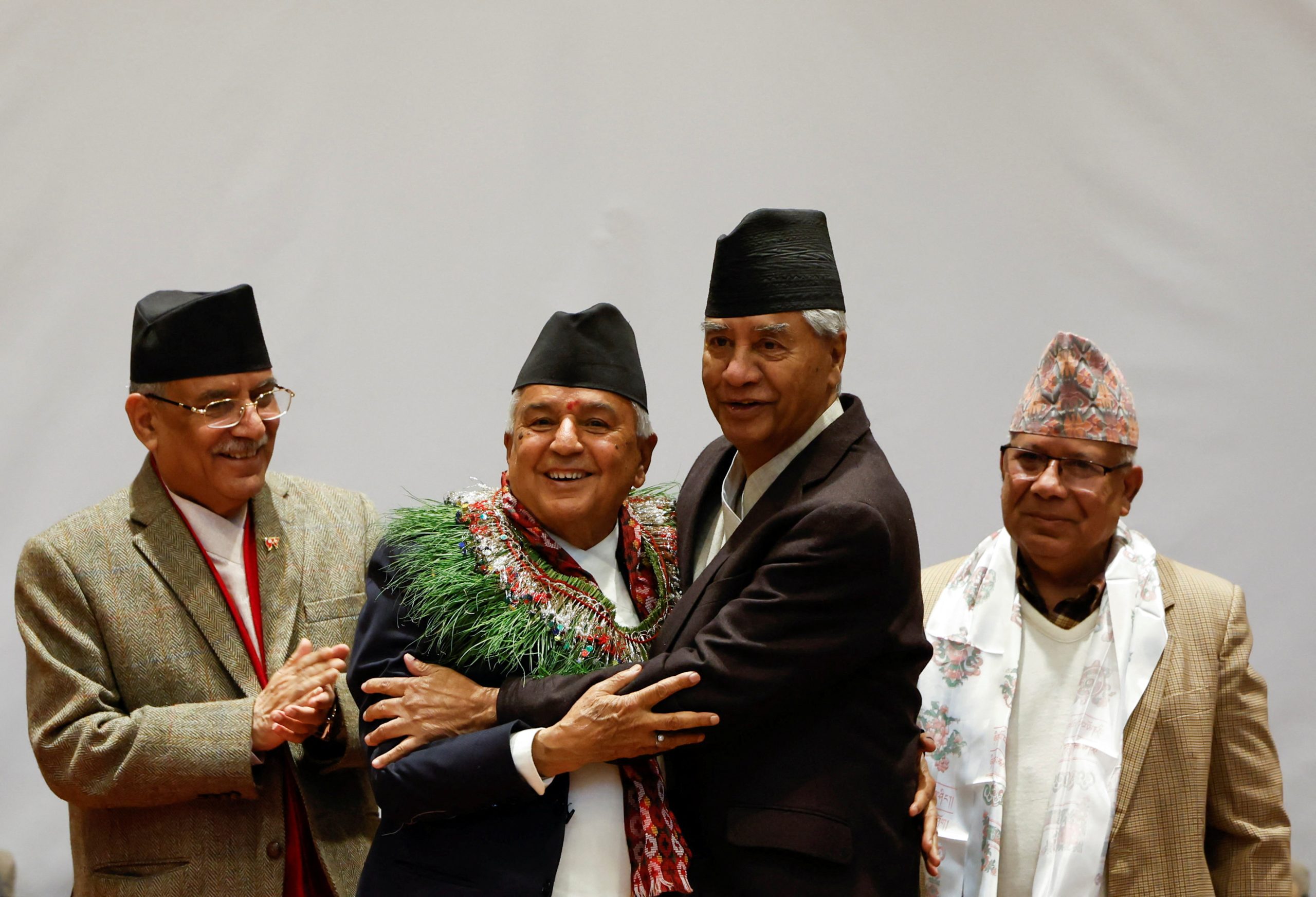
The recent election results in Nepal have sent a strong message to the traditional political parties, warning them of the urgent need for reform or risk extinction. Political giants like the Nepali Congress and the Communist Party of Nepal (CPN-UML), which have dominated the political scene for decades, must rethink their strategies or face irrelevance. These parties, once built upon the legacy of struggle for democracy and institutional control, now find themselves at a crossroads, overwhelmed by shifting societal, technological, and economic landscapes.
The Problem: Stagnation in Traditional Structures
Since the political transformation of 2007, Nepal's major political parties have been operating within a framework that remains largely unchanged. Despite the massive transformations in society, economy, and technology, these parties continue to follow outdated structures of organization, governance, and policy-making. The result is an increasing alienation from the public, as their ideas and methods have failed to adapt to the times. Their principles have become mere cosmetic gestures, not applicable to the real-world challenges citizens face.
The Opportunity: Restructuring for Survival
However, for the parties that have lost power or found themselves in a weakened position, the crisis offers an unprecedented opportunity for renewal. If they can capitalize on this moment, these parties might once again win the trust of the public. The path forward involves major restructuring, adopting new leadership models, and reevaluating their policies and practices.
Expert-Led Restructuring Proposal
Drawing from historical lessons in Nepal's financial sector reforms in the 1950s and 60s, the proposal calls for the introduction of expert-led committees to guide the political parties through the restructuring process. Just as Nepal's banking and financial institutions were revived through external management and expert-led reforms, the same approach could be applied to political parties.
Political parties in Nepal are currently riddled with corruption, opportunism, and personal gains, which have fostered institutional weakness. Without drastic restructuring, continuing with the old leadership models and party structures will only perpetuate the current dysfunction.
The proposed solution is to dissolve the existing central committees, including their leadership structures, and replace them with a "Committee of Experts" consisting of professionals from diverse fields—economics, education, history, diplomacy, agriculture, industry, and social policy. This committee would have the mandate to reassess the party’s policies, evaluate its past strategic mistakes, and formulate new, future-forward policies that align with national interests.
Learning from International Examples
Globally, many successful political systems emphasize the use of expert advice and long-term strategic planning. Switzerland’s political system, for example, involves a strong tradition of consultation with experts across various sectors. This approach allows for decision-making based on facts and research rather than party politics.
Similarly, China’s Communist Party incorporates economists, technocrats, and scientific planners in its five-year development plans. The party's commitment to long-term planning has helped it maintain stability and progress in governance. Singapore, under the leadership of Lee Kuan Yew, prioritized technical expertise and strategic planning to transform the country into an economic powerhouse.
These global examples highlight the importance of expert-driven policy-making and leadership selection, something Nepal’s political parties must learn from.
A Shift from Tradition: The Need for Modernization
For decades, Nepal’s political parties have relied on traditional structures for training leaders and managing their organizations. However, in today’s world, these outdated methods have become a mere formality. Graft and factionalism have replaced genuine ideological debates, and leadership production has become influenced by power struggles rather than merit.
The parties need a deep transformation—both in organizational structure and in their training methods. Moving forward, these parties should develop systems for fostering intellectual and policy-driven leadership. Strengthening internal democracy and making policy debates institutionalized will help revive these parties by reconnecting them with the public.
Party Purification: A Call for Criticism and Accountability
The political crisis has also provided the parties with a chance to engage in self-criticism and purification. For years, internal corruption, opportunism, and the concentration of power have weakened Nepal's political system. Parties must now embrace self-criticism, accept their past mistakes, and establish internal mechanisms for accountability.
By institutionalizing transparency and moral responsibility, Nepal's political parties can rebuild their credibility. It’s crucial that parties not only acknowledge their flaws but take actionable steps toward eradicating corruption and improving governance.
Digital Transformation: Cutting Costs and Increasing Reach
Another critical area for reform is the operational costs of political parties. The traditional model, which involves large meetings, formal programs, and unnecessary administrative structures, has become financially burdensome. This costly approach often leads to the protection of corrupt individuals and mafias within the party system.
To address this, Nepal's political parties should embrace digital transformation. By using digital platforms for membership management, policy debates, and public outreach, parties can reduce operational costs, increase transparency, and improve engagement with the masses. Additionally, this shift would allow them to break free from city-centric politics and connect with rural communities more effectively.
Putting Principles into Practice: Bridging the Gap Between Theory and Reality
Nepali political parties frequently talk about principles such as democracy, socialism, inclusivity, and national independence. However, these principles often fail to materialize in policy or action. The time has come for parties to demonstrate the real-world impact of these principles through tangible policy outcomes—such as job creation, economic growth, and social justice.
Only when citizens feel the practical benefits of these principles in their daily lives will they begin to trust the political parties again.
Empowering Party Workers: Fostering Economic Self-Reliance
Traditionally, political party workers in Nepal have been confined to political activities. This has created dependency and reduced their potential for economic self-sufficiency. Political parties should now seek to connect their workers to economic activities like agriculture, industry, cooperatives, and entrepreneurship. This will help develop a self-reliant, motivated base that is less susceptible to exploitation.
Conclusion: A Historic Moment for Political Renewal
In summary, the political crisis in Nepal does not necessarily signal the end of the road. Rather, it presents a historic opportunity for the country’s political parties to evolve and embrace reform. The question now is whether these parties are willing to seize this moment and transform themselves, or if they will continue down the path of stagnation, further alienating the electorate and potentially sealing their fate.
Nepal’s political landscape is at a critical juncture, and only through genuine self-reflection, expert-driven restructuring, and modern leadership will Nepal’s political parties regain the trust of the people and secure a future of stability and progress.
Advertisement
Written by
Dipesh Ghimire