Top
NEPSE Market Analysis: Stable Index and Margin Trading Guidelines Impact
NEPSE Market Analysis: Stable Index and Margin Trading Guidelines Impact The Nepal Securities Board (NEPSE) has recently approved the "Margin Trading Guidelines 2082," which allows stock investors to borrow margin loans from brokers to buy shares. However, despite the introduction of this new system, its implementation has had little impact on the market so far. On Wednesday, the NEPSE index remained relatively stable. After three consecutive days of decline, the index closed at 2662.09, down by just 0.04 points. The trading volume, however, showed a moderate increase, with a total transaction value of NPR 8.69 billion, compared to NPR 8.61 billion on the previous trading day. This indicates a slight upward trend in trading activity.
Dipesh Ghimire
3 min read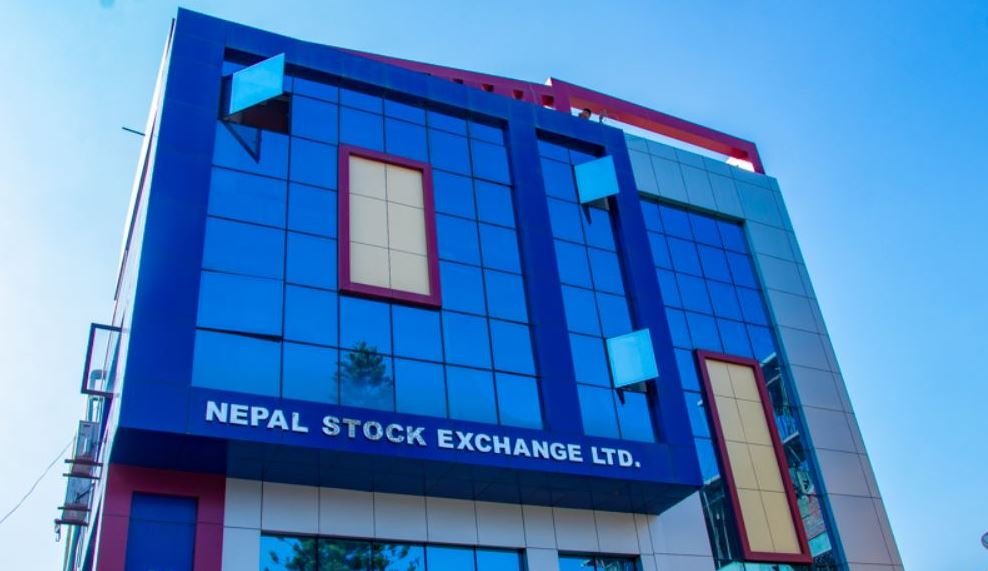
The Nepal Securities Board (NEPSE) has recently approved the "Margin Trading Guidelines 2082," which allows stock investors to borrow margin loans from brokers to buy shares. However, despite the introduction of this new system, its implementation has had little impact on the market so far.
On Wednesday, the NEPSE index remained relatively stable. After three consecutive days of decline, the index closed at 2662.09, down by just 0.04 points. The trading volume, however, showed a moderate increase, with a total transaction value of NPR 8.69 billion, compared to NPR 8.61 billion on the previous trading day. This indicates a slight upward trend in trading activity.
Key Stock Movements and Sectoral Performance:
Ridi Power's share price saw the highest increase on the day, rising by 9.67%. Other notable performers included Singati Hydropower, with a price increase of more than 8%, and Ankhu Khola Hydroelectric, which rose by over 7%. On the other hand, Sumer My Hydropower experienced the largest decline of the day, falling by 6.39%.
In terms of trading value, Ridi Hydropower topped the list with a transaction value of NPR 654.7 million, followed closely by Ankhu Khola Hydroelectric at NPR 620 million. Singati Hydropower also saw significant trading activity, with shares worth over NPR 580 million changing hands.
Among the 13 subgroups in the market, five saw their indices rise, while eight experienced declines. The banking, development banks, hydroelectric, investment, and life insurance subgroups saw moderate gains, while other sectors struggled with declines.
Technical Analysis and Market Outlook:
Currently, the NEPSE index is trading within a narrow range around the 2662 level. While some negative pressure is visible in the market, efforts are being made to maintain price stability. The Ichimoku Cloud indicator, which helps assess trends and potential support/resistance levels, indicates a bearish short-term trend. The price is currently below the cloud, which suggests that the market is in a negative phase. The green and red parts of the cloud act as dynamic support and resistance levels, marking where the price could face barriers or find support.
The Relative Strength Index (RSI) is currently at 45.91, which is slightly below the neutral level of 50. This suggests that the market is neither overbought nor oversold, but there is a slight bearish inclination. If the RSI continues to decline, it could signal an oversold condition in the market, suggesting potential further downside risk.
The resistance levels are at 2694.89 (R1) and 2788.09 (R2), while the support levels are at 2568.94 (S1) and 2530.32 (S2). The price is currently near the R1 resistance level, and a breakout above this level, accompanied by high volume, could signal a bullish trend.
Volume Analysis:
The volume bars at the bottom of the chart reflect fluctuating activity, indicating that there is ongoing interest in the market. However, the overall trend remains relatively less active. While there are periods of increased trading activity, the market is still facing challenges in terms of consistent upward momentum.
Based on the Ichimoku Cloud and RSI indicators, the market is in a neutral to slightly bearish state. However, if the price breaks above the resistance level of 2694.89 with high volume, this could signal a potential reversal or upward movement. It's important to monitor the support levels at 2568.94 and 2530.32, as these will play a crucial role in determining the direction of the next market trend.
Investors should stay cautious and watch for signs of strength or weakness around these key levels. The market's future movement will depend on whether it can maintain stability or break through key resistance levels in the coming days.
Advertisement
Written by
Dipesh Ghimire