#NRBUpdate #NepalRastraBank #M
NRB Q1 Review 2025: Major Monetary Reforms – Lower Rates, Higher Loan Limits, Branch Mergers, Disaster Relief & Governance Overhaul
NRB’s new circular lowers key interest rates, removes outdated deposit-rate restrictions, increases personal and microfinance loan limits, and allows repayment restructuring for stressed borrowers. Disaster-hit districts gain special restructuring support, banks can merge branches in metropolitan areas due to rising digital payments, and a Whistleblower Protection Mechanism is introduced to improve transparency and governance. These reforms collectively promote financial stability, credit expansion, digital transformation, and ethical banking practices in Nepal.
Sandeep Chaudhary
1 min read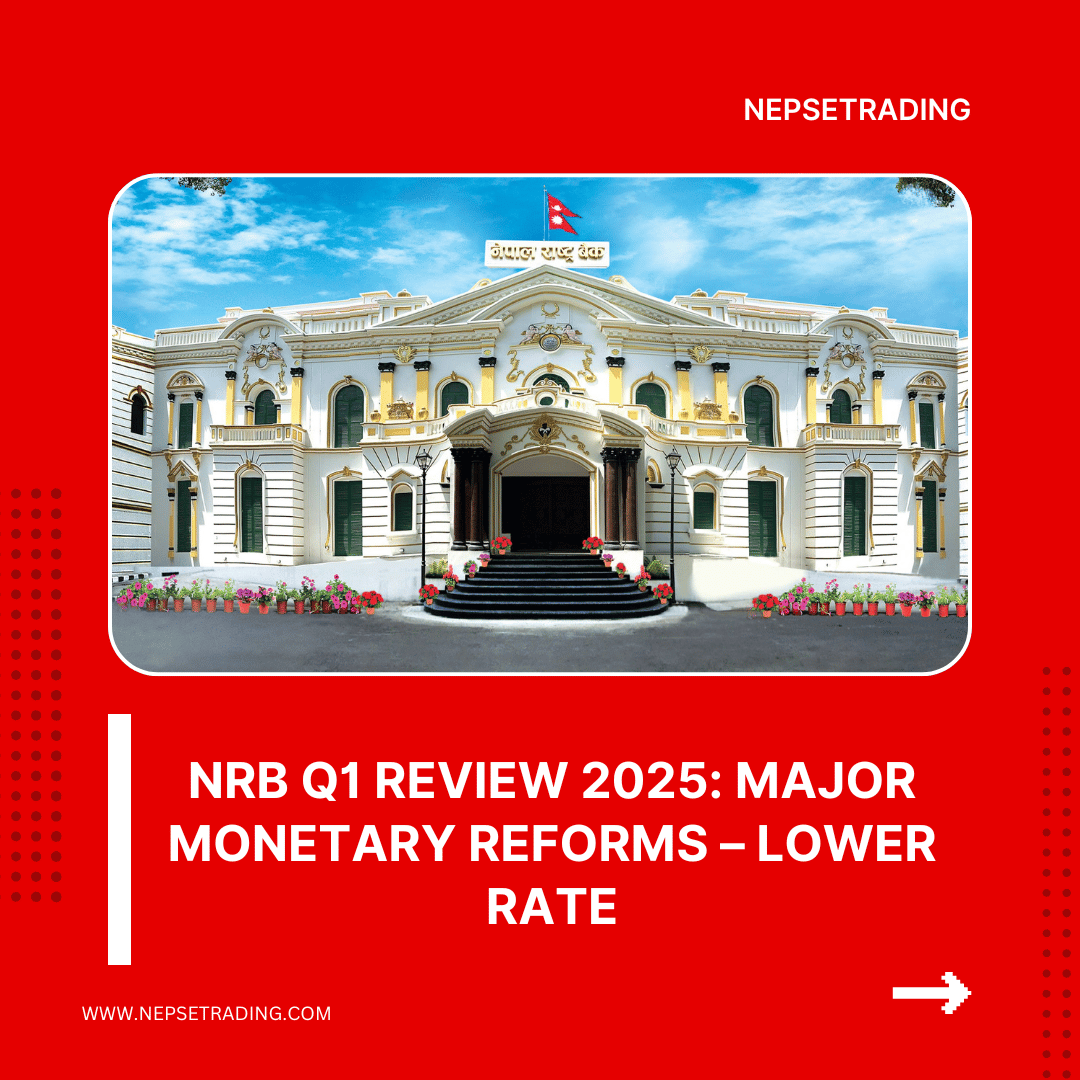
Nepal Rastra Bank (NRB) has rolled out a comprehensive set of monetary and regulatory reforms designed to strengthen financial stability, enhance borrower support, and modernize Nepal’s banking landscape. As part of the new direction, the interest rate corridor has been refined—SLF has been reduced from 6.00% to 5.75%, the policy rate lowered from 4.50% to 4.25%, while the SDF rate remains fixed at 2.75%. This move narrows the corridor range and helps anchor short-term market rates more effectively. The CRR and SLR requirements remain unchanged so that banks maintain adequate liquidity buffers.
Significant regulatory relaxation includes the removal of the mandatory 1% gap between institutional and personal fixed deposit rates. Banks now have the freedom to offer competitive or equal rates to institutional clients based on market demand. Likewise, the personal overdraft limit has been doubled from Rs. 50 lakh to Rs. 1 crore, expanding liquidity options for high-income individuals, professionals, and small business owners. To further support grassroots entrepreneurship, collateral-backed loan limits issued by microfinance institutions have been increased from Rs. 7 lakh to Rs. 15 lakh, enabling micro-businesses, farmers, and SMEs to access larger financing.
Addressing financial stress in rural lending, NRB now allows microfinance institutions to modify repayment schedules for borrowers facing genuine financial challenges. Likewise, a special one-time restructuring facility at a minimum 10% interest rate has been granted to businesses in Ilam and other districts severely affected by recent floods and landslides. This provides critical financial breathing room for disaster-hit enterprises. With digital transactions growing rapidly and redundant branch clusters seen across metropolitan cities, NRB has authorized banks to merge or adjust branches within urban localities to enhance efficiency and reduce costs. Strengthening governance, NRB has also introduced a Whistleblower Protection Mechanism to align with global best practices—ensuring transparency, accountability, and ethical conduct across the banking sector by safeguarding individuals who report fraud, corruption, or misconduct.
Advertisement
Written by
Sandeep Chaudhary