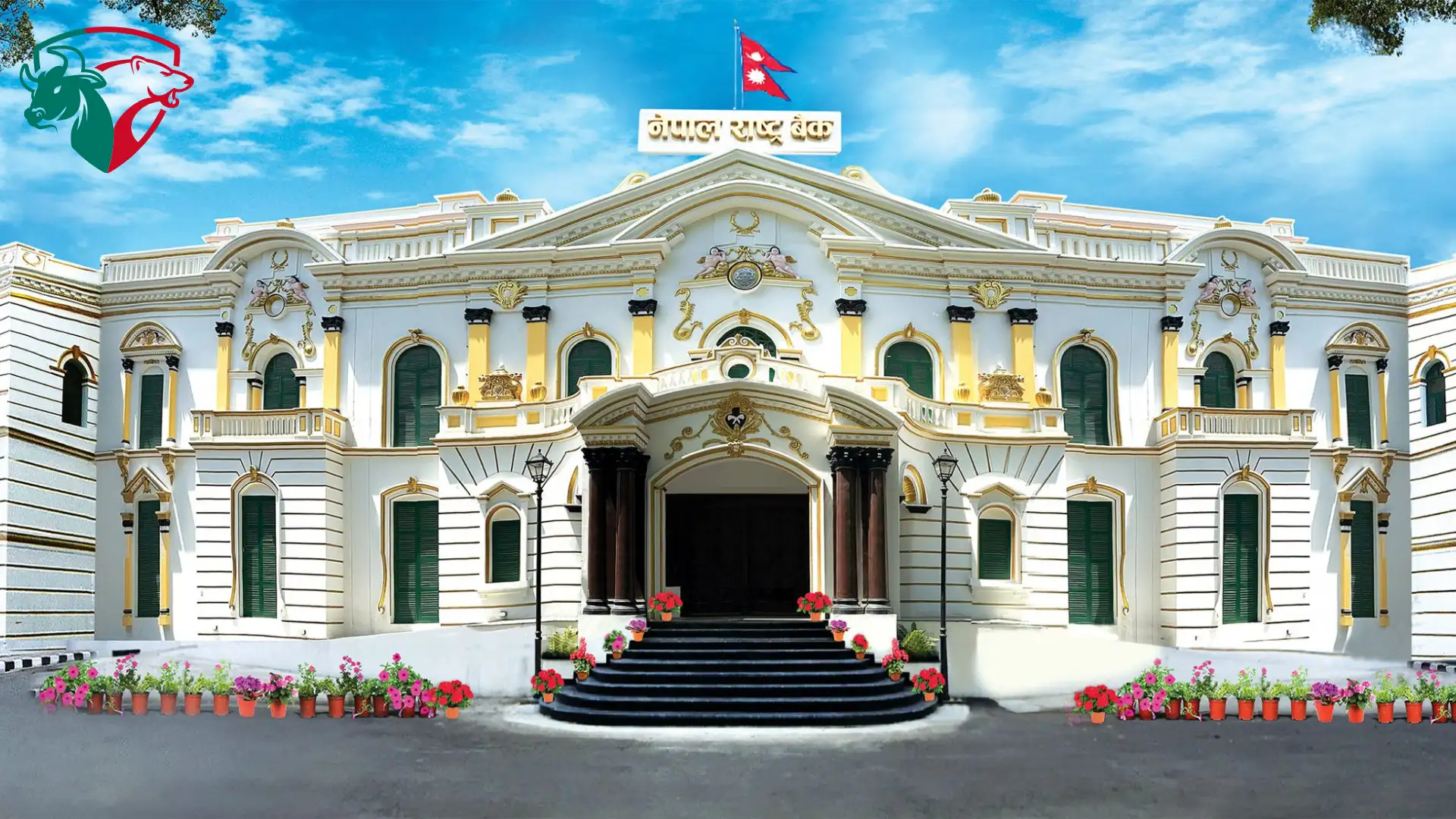
Monetary Policy5 min readChamber Urges NRB to Put Growth and Private Sector Confidence at the Centre of Monetary PolicyThe Chamber’s submission therefore highlights the central policy dilemma facing Nepal’s monetary authority: how to revive economic activity while keeping the financial system safe. Overall, the Chamber’s recommendations indicate that the private sector expects the upcoming monetary policy to act as a recovery tool. Whether NRB accepts these demands fully or partially will shape the business environment in the next fiscal year.Dipesh Ghimire·25 Jun, 2026
Top3 min readNRB Allows Wholesale Microfinance Institutions to Continue Lending for Five Years after MergerOn one side, the central bank wants fewer, stronger and better-governed microfinance institutions. On the other, it does not want the merger process to disrupt existing credit channels or create unnecessary instability. The five-year allowance therefore provides a middle path. It supports merger and acquisition activity while giving institutions enough time to manage operational change. Overall, NRB’s latest move is likely to make mergers involving wholesale microfinance institutions easier. It gives the sector a clearer transition framework and may encourage more institutions to consider consolidation without fear of immediately losing their existing business model.Dipesh Ghimire·25 Jun, 2026
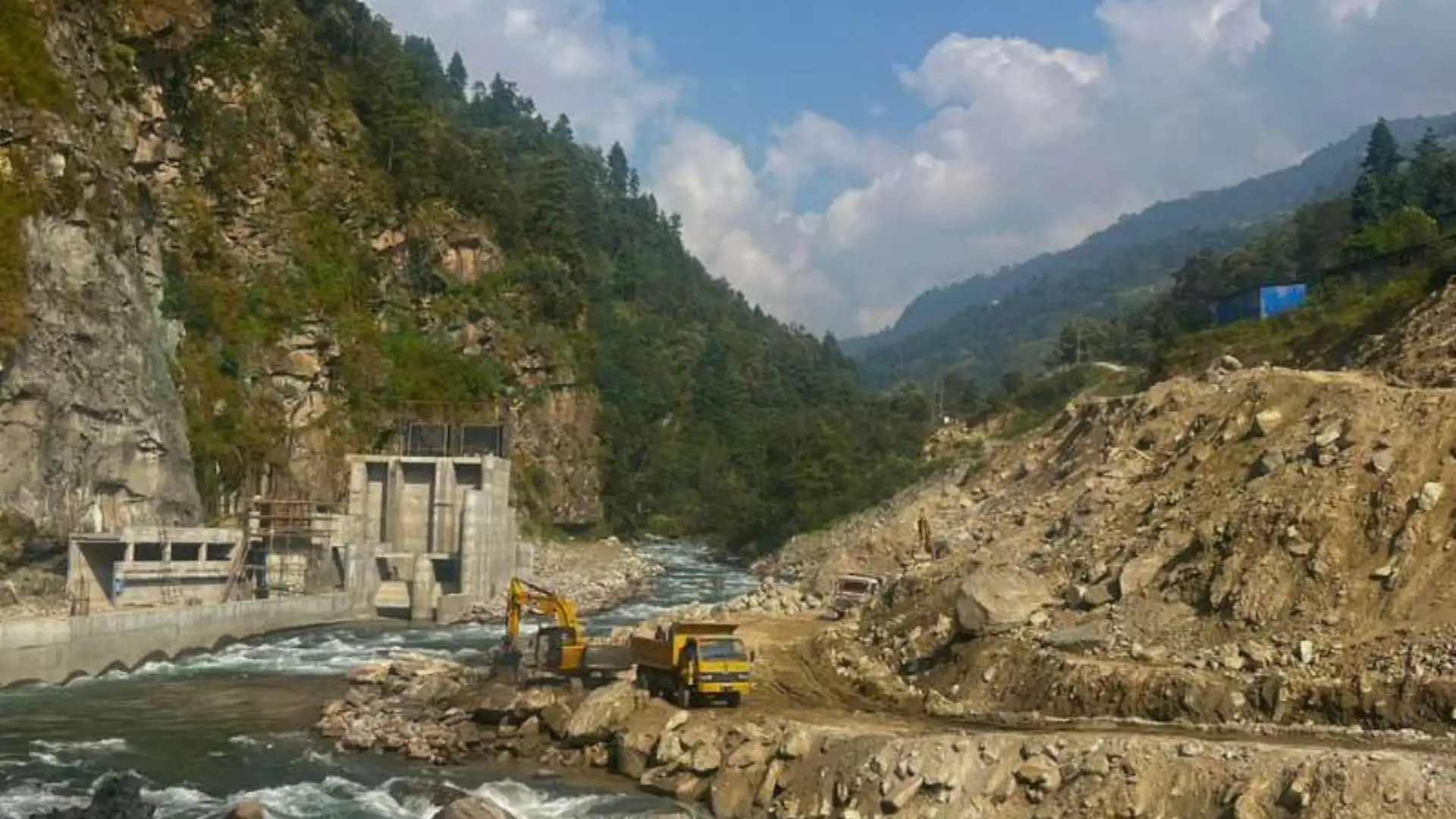
Top5 min readNRB Eases Project Financing Rules but Tightens Bank AccountabilityFor project developers, the amendment offers financial breathing space. For banks, it creates greater responsibility. For regulators, it provides clearer tools to monitor capitalised interest, restructured loans and emergency account-freeze actions. The new arrangement therefore marks a two-sided regulatory shift. It supports long-term investment in infrastructure and productive sectors, but it also demands stronger risk discipline from banks and faster action against financial crime.Dipesh Ghimire·25 Jun, 2026
Flydubai3 min readFlydubai to Launch Daily Dubai–Pokhara Flights from September 23For Nepal, the service could help decentralise international tourism away from Kathmandu. For flydubai, the route strengthens its South Asia network and deepens its presence in a market where demand for travel to the Gulf remains strong. Overall, the Dubai–Pokhara route is more than a new flight. It is a test of whether Pokhara International Airport can move from symbolic infrastructure to regular international commercial operation.Dipesh Ghimire·25 Jun, 2026
Financing Rules 6 min readCentral Bank Eases Financing Rules for Long-Term Projects, Tightens Risk and Crime ControlsFor project developers, the new provision may improve financing conditions. For banks, it increases the responsibility to conduct stronger due diligence. For regulators, it creates a clearer system to track capitalised interest, restructured loans and emergency account-freeze actions. Overall, the new directive is a balancing measure. It provides breathing space to long-term projects, especially those with delayed cash flow, but it also places stricter responsibility on banks to recognise risk, maintain proper provisioning and cooperate quickly in financial crime investigations.Dipesh Ghimire·25 Jun, 2026
Margin Trading5 min readBroker Firms Move to Raise Funds as Margin Trading Prepares for Wider RolloutFor now, broker-led margin trading appears to be moving from policy discussion toward practical implementation. Its success will depend not only on how many brokers enter the business, but also on whether the system can balance market liquidity with investor protection.Dipesh Ghimire·25 Jun, 2026
NEPSE5 min readDividends on the clock: a 45-day deadline with real teethFor all those caveats, the proposal is a meaningful pro-investor reform — one of the few that attaches a concrete consequence to a long-standing abuse. If passed and enforced as intended, it would spare shareholders the open-ended wait that has frustrated them for years and remove a small but real drag on confidence in the market. Whether it delivers that, however, will be settled not by the principle but by the particulars: the interest rate that backs the deadline, the discipline with which the exemptions are read, and the seriousness with which the rule is policed once it leaves the page.Dipesh Ghimire·24 Jun, 2026
A 400 km claim, a 9.6 kWh batt5 min readA 400 km claim, a 9.6 kWh battery — and the price tag that's missingA new electric scooter has arrived in Nepal with a headline number engineered to stop shoppers in their tracks: up to 400 kilometres on a single charge. If accurate, the Sarathi ES6 — brought in by Zero Emission Ride N, the official distributor for the Chinese brand Luyuan — would offer several times the usable range of a typical electric two-wheeler and speak directly to the 'range anxiety' that has slowed electric adoption. But the figure rests on a very large battery and an idealised test, and the announcement is silent on the one number that will decide whether the pitch holds up: the price.Dipesh Ghimire·24 Jun, 2026
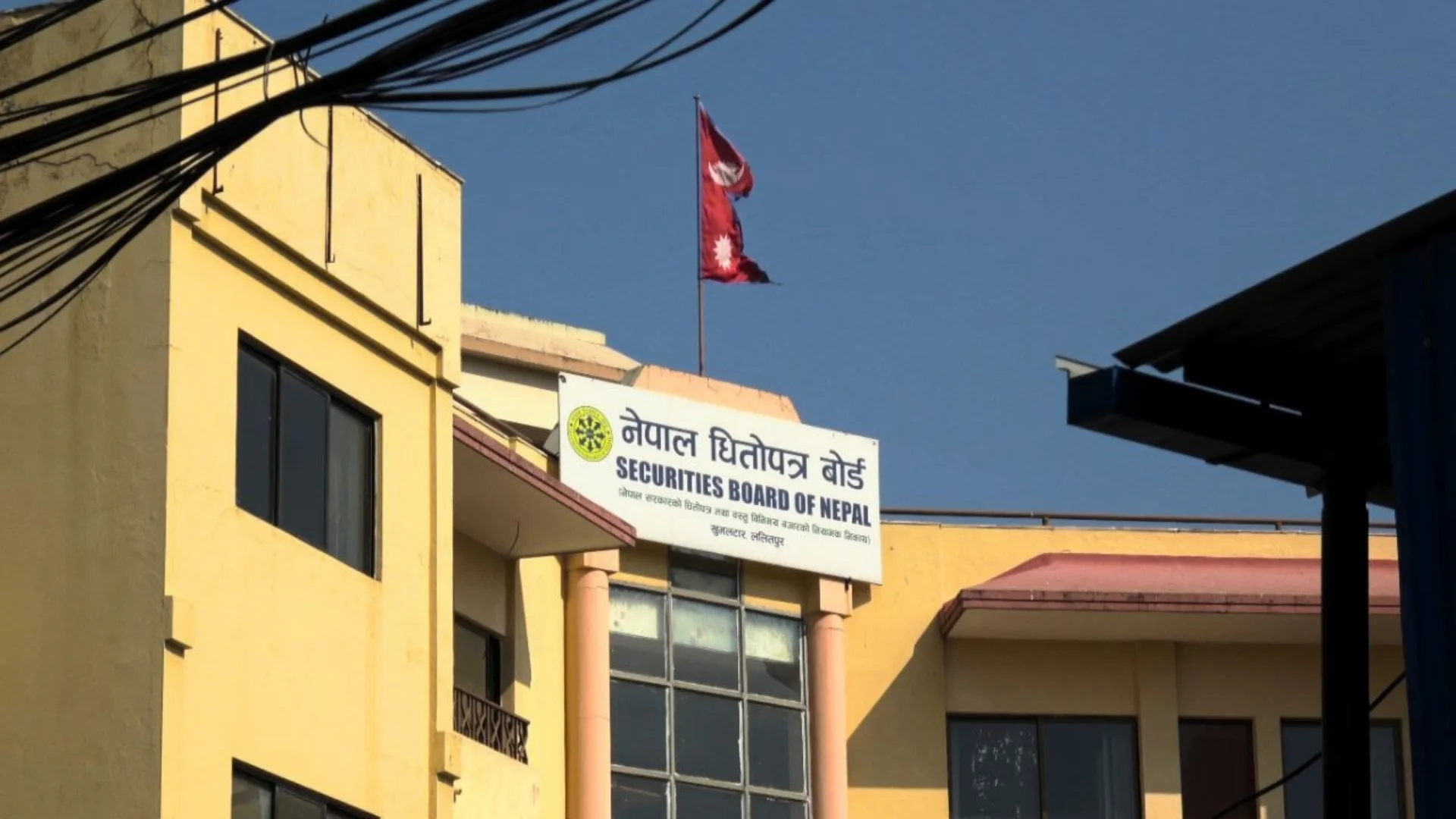
SEBON6 min readSEBON moves to shut the 'premium' loophole, telling IPO hopefuls to earn their net worthFor now, the immediate effect is concentrated on a specific set of firms — those whose climb above Rs 90 owes more to premium than to performance. They will have to make their case again, through merchant-bank re-valuation, and demonstrate that the business behind the numbers can stand on its own. For the wider market, the standard sharpens a question that has hovered over Nepal's primary market for some time: whether the right way to protect retail investors is to keep refining a net-worth threshold, or to move toward disclosure-led regulation that lets investors price risk for themselves. SEBON's answer, for the moment, is to demand that companies prove their worth the slow way — by earning it — and to treat a premium-fattened balance sheet as a reason to look harder, not a reason to wave the offering through.Dipesh Ghimire·24 Jun, 2026
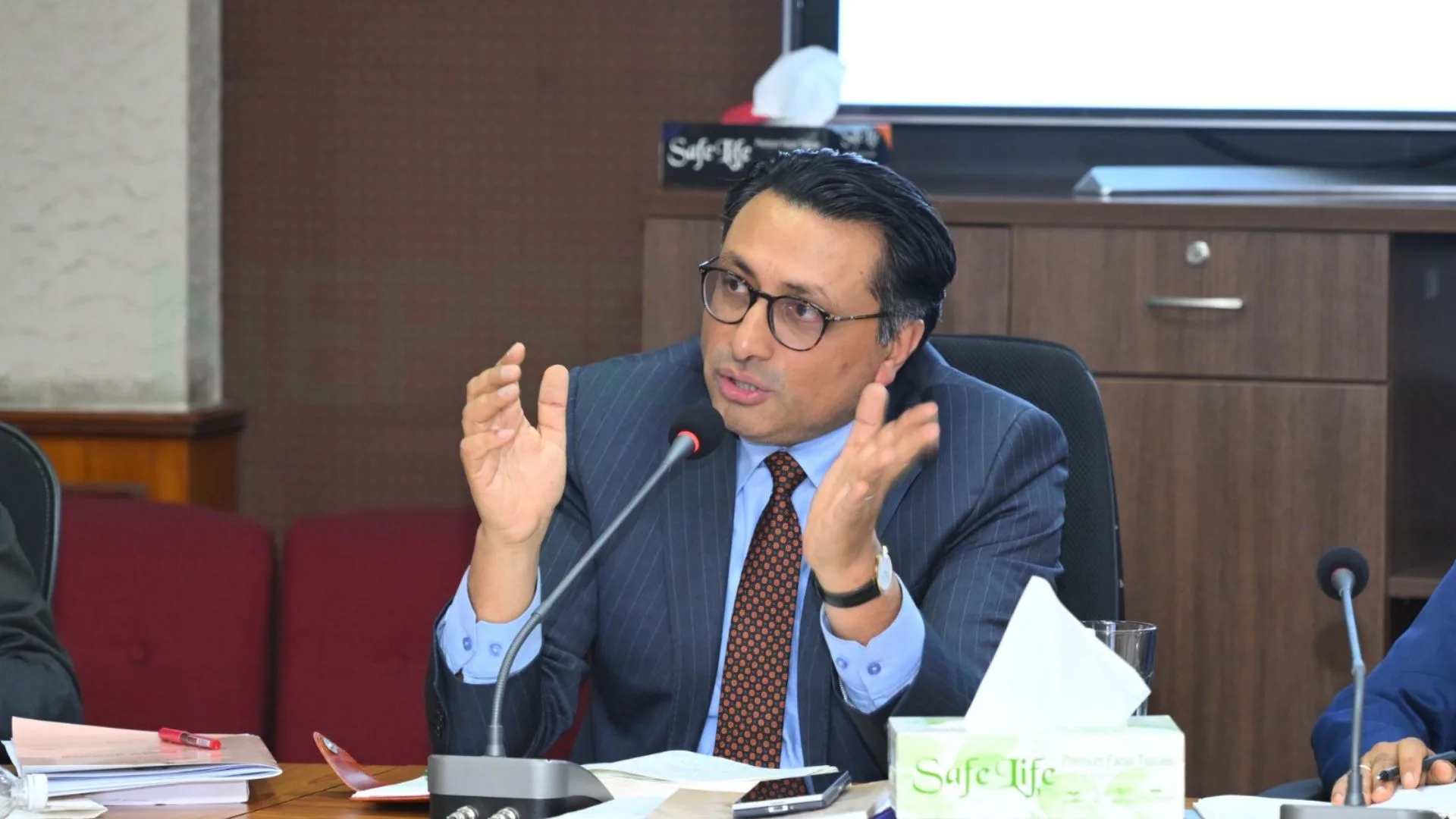
crimes6 min readPrabhu Bank's former CEO among 12 charged in Rs 597 million loan-misuse caseWhat happens next now rests with the Commercial Bench of the High Court, Patan, which will weigh the prosecution's claim of coordinated misuse against the defendants' insistence that they each stayed within their lane. However the court rules, the case has already done something larger: it has put Nepal's questions about credit discipline, insider lending and regulatory vigilance back where they cannot easily be ignored — in open court, attached to names, and measured in hundreds of millions of rupees.Dipesh Ghimire·24 Jun, 2026