Top3 min readMiddle East Tensions Hit Nepal’s Tourism Hard, Sauraha Sees Sharp Decline in VisitorsMiddle East Tensions Hit Nepal’s Tourism Hard, Sauraha Sees Sharp Decline in Visitors The escalating military tensions in the Middle East have begun to cast a visible shadow over Nepal’s tourism sector, with one of the country’s key destinations, Sauraha in Chitwan, witnessing a sharp drop in tourist arrivals. Industry stakeholders report that rising airfare costs and concerns over travel safety have forced many international visitors to cancel their trips, disrupting what is typically the peak tourist season.Dipesh Ghimire·24 Mar, 2026
Top2 min readExport Sector Urges Government to Prioritize Investment Promotion in Upcoming BudgetExport Sector Urges Government to Prioritize Investment Promotion in Upcoming Budget A coalition of 35 industry and business associations engaged in Nepal’s export sector has called on the government to incorporate targeted investment promotion and collaboration programs in the upcoming fiscal budget. The demand comes at a time when the country continues to struggle with a widening trade deficit and limited export diversification, prompting stakeholders to push for more structured policy support. The joint appeal focuses on attracting foreign direct investment, strengthening domestic industries, and accelerating export growth. Representatives from various sectors presented detailed insights into the opportunities and constraints within their respective industries, along with recommendations for policy reforms. Their proposals collectively underline the need for a more coordinated and export-oriented economic strategy.Dipesh Ghimire·24 Mar, 2026
Top3 min readCapital Pressure Mounts on Eight Commercial Banks Despite Excess LiquidityCapital Pressure Mounts on Eight Commercial Banks Despite Excess Liquidity Nepal’s banking sector is facing a growing capital adequacy challenge, even as liquidity remains abundant across the system. According to the Nepal Rastra Bank’s (NRB) financial report up to mid-January (Poush), eight commercial banks are currently under pressure due to weakening capital buffers, limiting their ability to expand lending despite having sufficient funds.Dipesh Ghimire·24 Mar, 2026
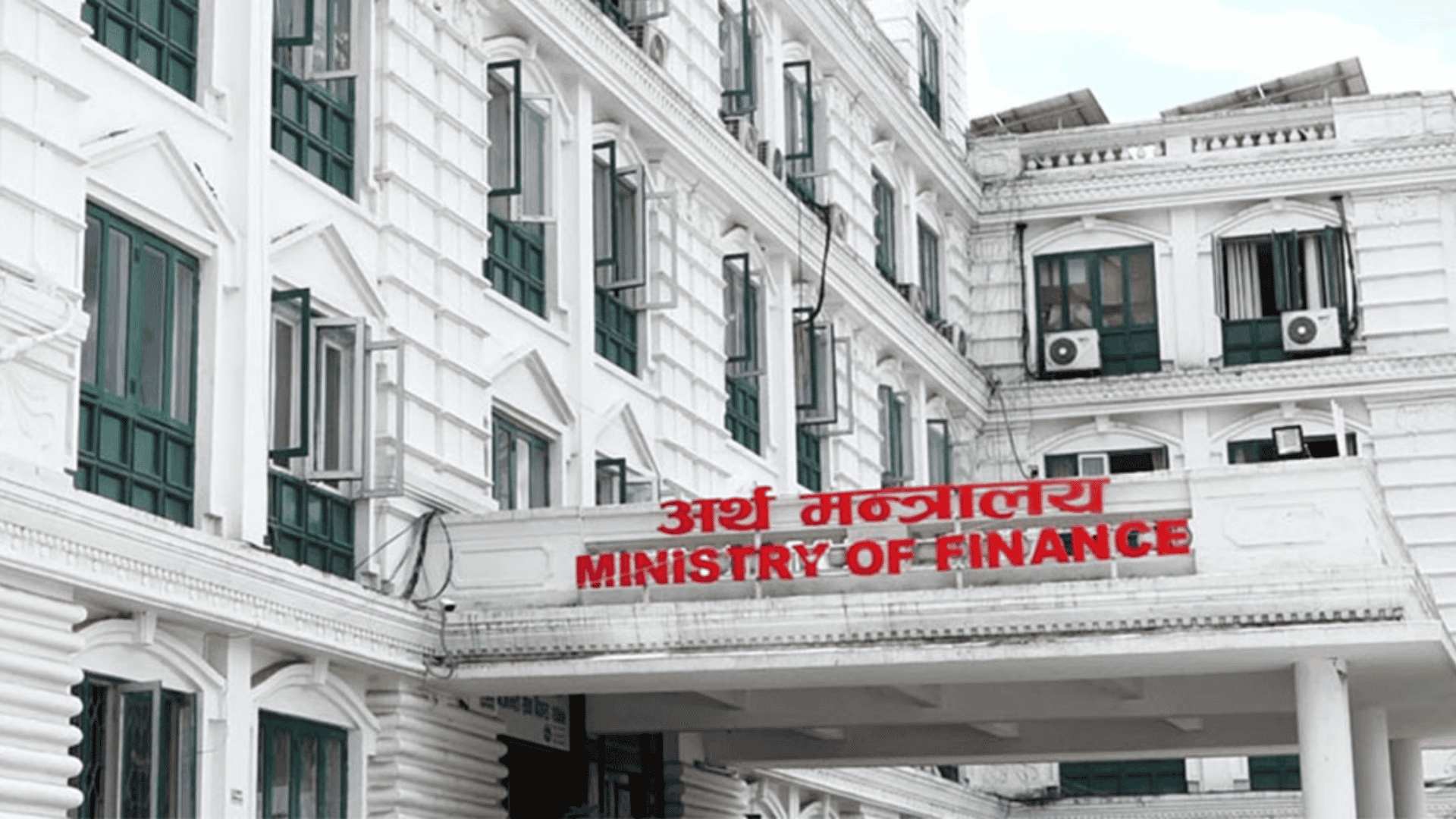
Top3 min readBudget Proposals Deadline Set for Mid-April as Nepal Pushes Ahead Despite Political UncertaintyBudget Proposals Deadline Set for Mid-April as Nepal Pushes Ahead Despite Political Uncertainty Nepal has accelerated preparations for the upcoming fiscal year 2083/84 budget, setting a firm deadline for all line ministries to submit their plans and programs by mid-April (Chaitra 15). According to the government’s budget calendar, ministries are required to upload their proposals through the Line Ministry Budget Information System (LMBIS), ensuring that the foundational phase of budget formulation proceeds on time.Dipesh Ghimire·24 Mar, 2026
Top3 min readNatural Resources Commission Caps Internal Borrowing Ahead of Budget, Stresses Fiscal DisciplineNatural Resources Commission Caps Internal Borrowing Ahead of Budget, Stresses Fiscal Discipline As preparations for the fiscal year 2083–84 budget gather pace, the National Natural Resources and Fiscal Commission has recommended a ceiling on internal borrowing for all three tiers of government. The proposed limits, based on macroeconomic conditions, revenue-expenditure projections, and market capacity, aim to maintain fiscal stability while allowing room for necessary public investment.Dipesh Ghimire·19 Mar, 2026
NEPSE3 min readMiddle East Conflict Disrupts Global Supply Chains, Triggers Oil Shock and Inflation FearsMiddle East Conflict Disrupts Global Supply Chains, Triggers Oil Shock and Inflation Fears Escalating tensions involving the United States and Israel in the Middle East have begun to ripple across the global economy, triggering disruptions in supply chains, energy markets, and trade routes. Since early 2026, the conflict has intensified uncertainty in critical maritime corridors, raising concerns among policymakers and businesses about a potential global economic slowdown.Dipesh Ghimire·19 Mar, 2026
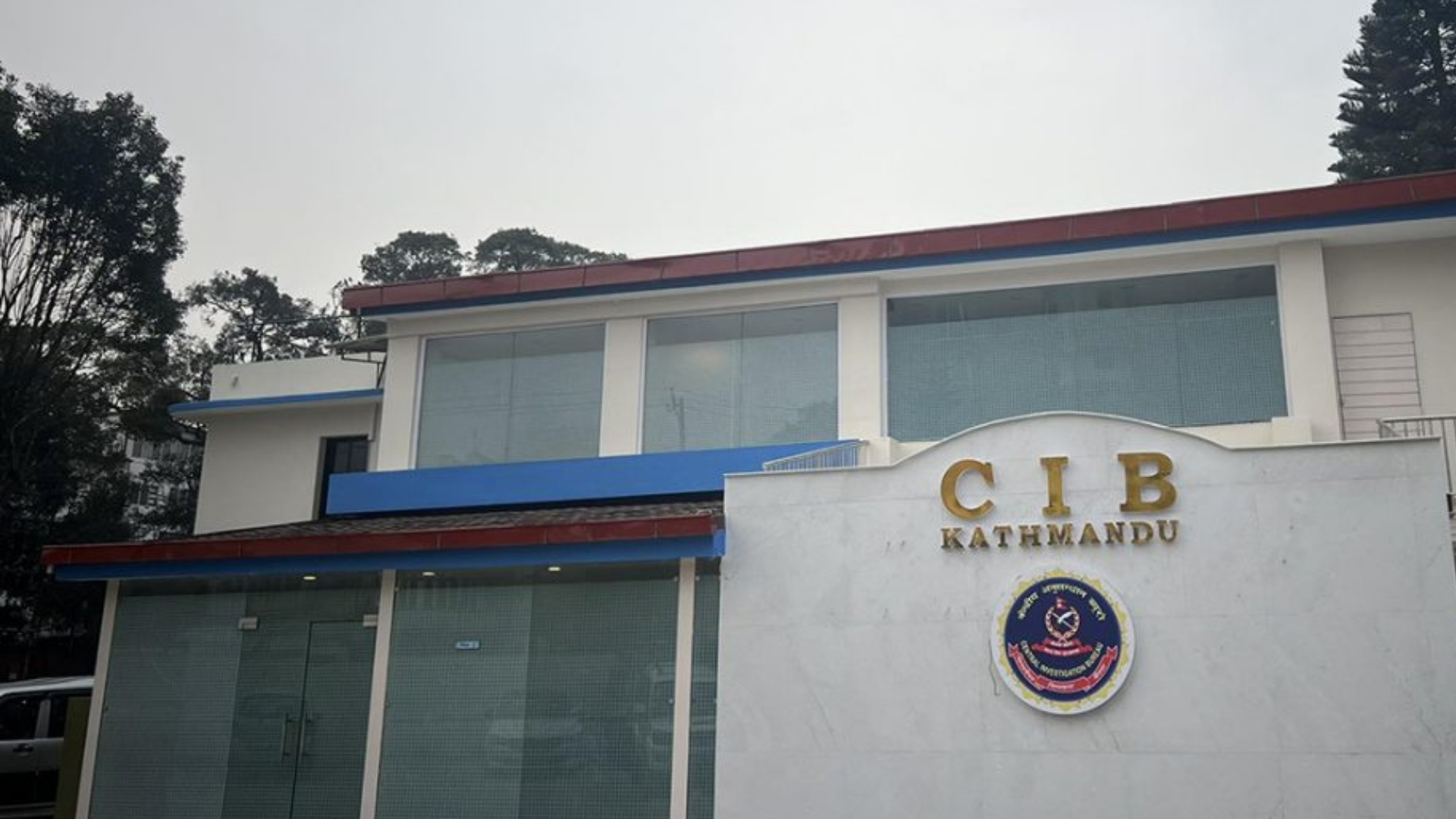
Top2 min readBanking Offences Surge in Kathmandu Amid Economic SlowdownBanking Offences Surge in Kathmandu Amid Economic Slowdown Incidents of banking offences are on the rise in Kathmandu, with police reporting a noticeable increase in cases related to cheque dishonour and financial fraud. Authorities attribute the trend largely to the slowdown in the real estate sector, which has created financial stress across cooperatives, businesses, and the broader banking system. According to data released by the District Police Office, Kathmandu, a total of 37 individuals were arrested in connection with banking offences during the month of Falgun alone. Among these, a significant number of cases were linked to bounced cheques, which continue to dominate banking-related crimes. Police officials say that complaints involving forged cheques and cheque dishonour have become increasingly common, reflecting growing liquidity constraints and repayment difficulties among borrowers.Dipesh Ghimire·19 Mar, 2026
Top2 min readNine Citizens Bank Staff Suspended Over Rs 49.1 Million Fraud in Biratnagar BranchNine Citizens Bank Staff Suspended Over Rs 49.1 Million Fraud in Biratnagar Branch Nine employees of Citizens Bank International have been suspended following allegations of financial misconduct at its Kanchanbari branch in Biratnagar–4, Rajbanshi. The bank has initiated an internal investigation into the case, which involves the embezzlement of Rs 49.1 million belonging to depositors. Among those suspended is Rosie Kandel, the head of the branch’s operations department, who is believed to have played a key role in the incident. According to sources familiar with the investigation, the fraud was carried out by creating fictitious borrowers and disbursing loans in their names. The scheme reportedly involved internal coordination among bank staff, allowing the fraudulent loans to be processed without immediate detection. Initially, the loan installments were reportedly paid regularly, which helped the transactions appear legitimate during early stages. However, suspicion aroseDipesh Ghimire·19 Mar, 2026
Top3 min readDirected Lending Requirement Relaxed to 30 Percent: Central Bank Broadens Scope, Signals Policy ShiftDirected Lending Requirement Relaxed to 30 Percent: Central Bank Broadens Scope, Signals Policy Shift Nepal Rastra Bank has eased its directed lending policy, lowering the mandatory share of loans that banks and financial institutions must channel into priority sectors from 40 percent to 30 percent. The move, introduced through an amendment to the unified directive, reflects a shift towards a more flexible credit policy while maintaining focus on productive sectors of the economy.Dipesh Ghimire·19 Mar, 2026
Top2 min readDevelopment Banks Post Over Rs 4 Billion Profit, Performance Remains Uneven Across InstitutionsDevelopment Banks Post Over Rs 4 Billion Profit, Performance Remains Uneven Across Institutions Kathmandu — Development banks in Nepal have collectively reported a net profit exceeding Rs 4 billion in the first seven months of the current fiscal year 2082/83, reflecting a moderate recovery in the sector despite underlying structural challenges. According to Nepal Rastra Bank, these institutions earned a total net profit of approximately Rs 4.004 billion between Shrawan and Magh, with the majority of banks remaining in profit.Dipesh Ghimire·17 Mar, 2026